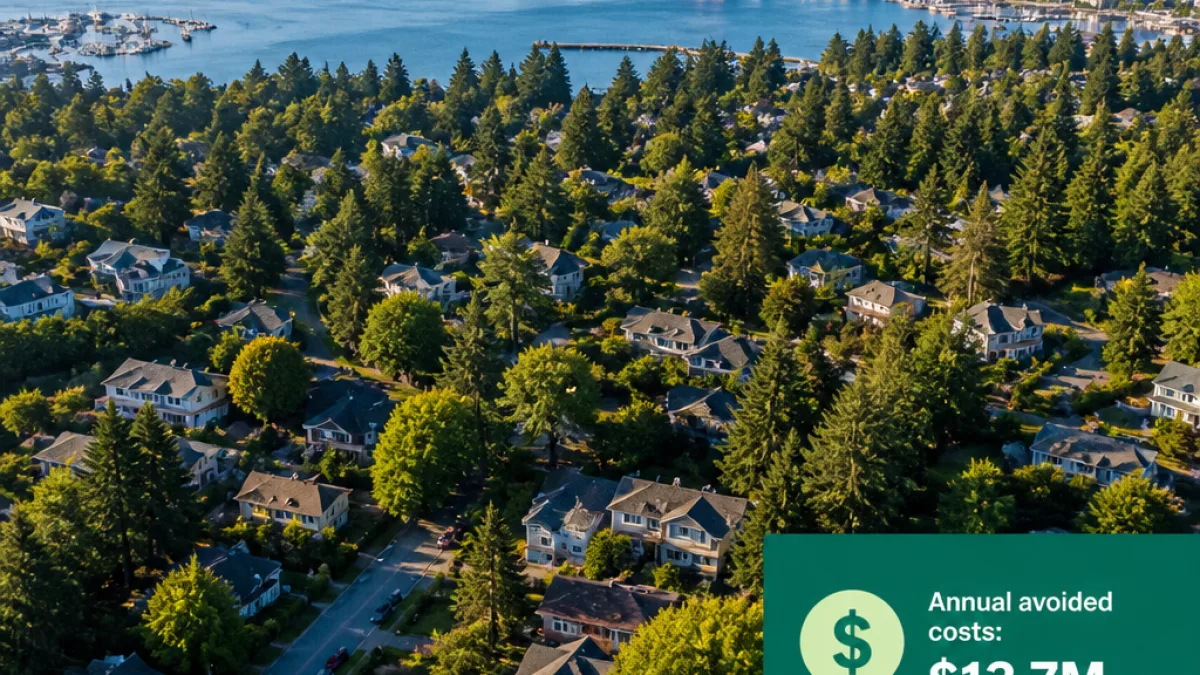
NANAIMO — A new city-commissioned study places a monetary value on the services provided by Nanaimo’s tree canopy, estimating those benefits at $13.7 million annually — savings that, the report says, would otherwise need to be paid for through infrastructure or other interventions.
What the canopy is doing for the city
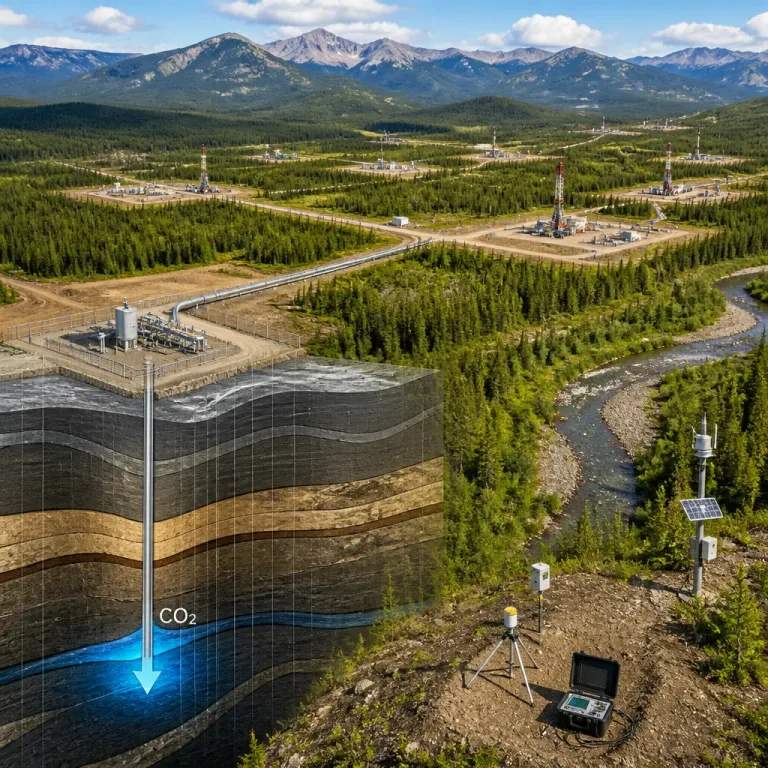
The assessment, developed with Colorado-based urban-forestry consultant PlanIT Geo Inc., examined how trees reduce costs by cleaning the air, absorbing stormwater, shading streets and cooling neighbourhoods during hot weather. One of the study’s headline figures puts the amount of carbon sequestered by the city’s trees at about 31,500 tonnes a year, which the authors valued at roughly $367 million — the estimated cost to address that carbon if it were not stored in vegetation.
- Annual avoided infrastructure and service costs: $13.7 million
- Estimated annual carbon sequestration: 31,500 tonnes
- Monetary value attributed to carbon storage: $367 million
According to the report, tree canopy is defined as land covered by trees taller than about three metres (10 feet). In 2025, trees covered almost 39 per cent of Nanaimo’s combined public and private land — up from about 33 per cent in 2016. Much of the growth came from the maturation of existing trees, with some contribution from newly planted trees.
Pressure from development and what it means locally
Even as canopy cover increased overall, the study signals competing forces at work. Growth and development have come at the cost of some trees: the report estimates that development removed a canopy area equivalent to roughly 84 soccer fields between 2016 and 2025.
“I was really surprised by that one, obviously, because we’re an urban area and our reason for being, a lot of the time, is around growth and supporting growth in our region,”
The comment came from Charlotte Davis, the city’s deputy director of parks and natural areas, during a presentation to council’s governance and priorities committee. Coun. Hilary Eastmure told the committee that translating ecological benefits into dollar figures can help the public and decision-makers visualise the practical value of urban trees.
| Metric | Value |
|---|---|
| Canopy cover (2025) | ~39% |
| Canopy cover (2016) | ~33% |
| Annual avoided costs (estimate) | $13.7 million |
| Annual carbon sequestered | 31,500 tonnes |
| Estimated value of carbon storage | $367 million |
Practical consequences for Nanaimo residents
For residents, the assessment underlines several tangible benefits provided by the urban forest: reduced runoff and erosion during storms, improved water quality where trees intercept and slow stormwater, cooler streets and yards during heat events and cleaner air. When tree benefits are expressed in dollars, councillors said, it becomes easier to weigh canopy preservation alongside other municipal priorities such as housing and transportation.
City staff noted that strategic planting can amplify stormwater benefits and that maintaining a mature canopy depends on protecting existing trees as well as planting new ones. The report offers a data-backed foundation for future park and planning decisions, but it also highlights the balancing act facing a city experiencing growth while trying to retain the green cover that delivers measurable public value.
As the governance and priorities committee digests the findings, residents can expect tree management and canopy targets to feature more prominently in conversations about development, infrastructure spending and climate adaptation in Nanaimo.