British Columbia's wildfire season is showing signs of retreat as officials report a steady string of containment successes, even as lingering drought and significant property losses keep communities on alert.
Fires taper off as season moves toward autumn
Over the past week the BC Wildfire Service has declared more than 60 fires out, leaving only a handful of large incidents active. Of roughly 115 fires recorded this season, just four remain uncontained, officials said. The easing of activity comes as the province nears the autumn equinox, when cooler, wetter conditions typically help dampen the wildfire threat.
To date this year the province has seen about 1,380 fires burn an estimated 4,750 square kilometres. That is a marked reduction from the extraordinary losses of recent years, most notably 2023 when approximately 29,000 square kilometres were consumed by flames.
Regional risks persist despite fewer hectares burned
While the overall area affected this year is lower than both the 10- and 20-year provincial averages, the BC Wildfire Service warns that parts of the Cariboo region and the southern Interior remain under severe drought conditions, which can sustain fire risk and complicate suppression efforts.
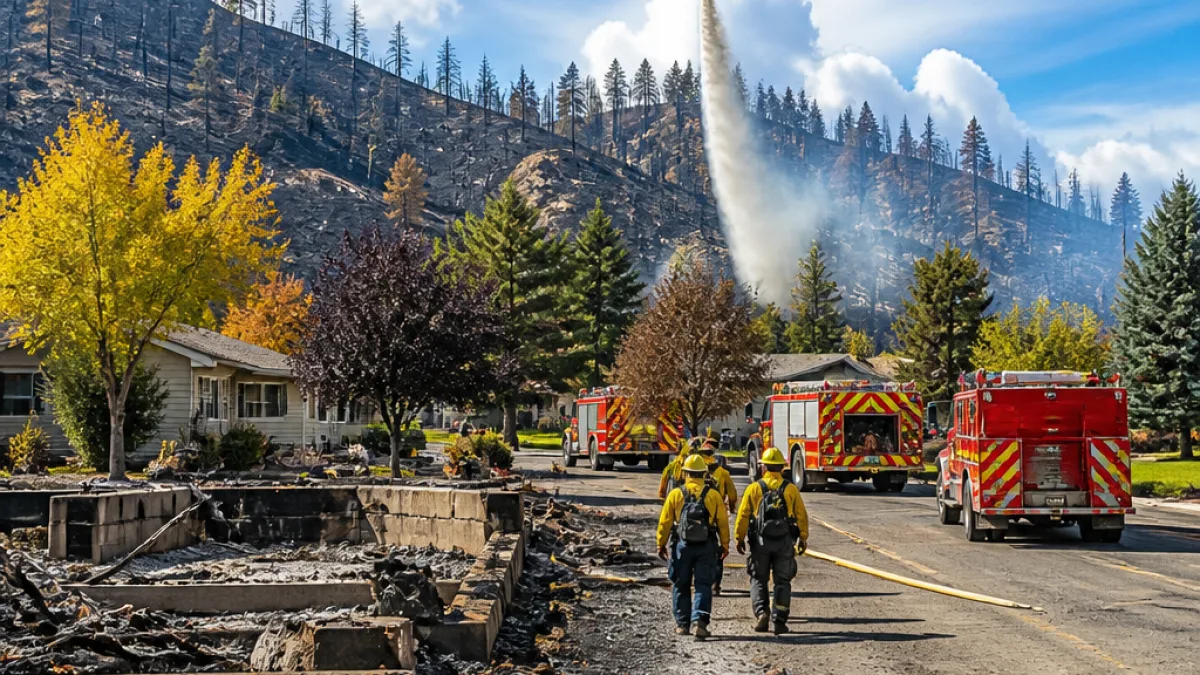
Local impacts have been uneven. Some communities saw homes and other structures destroyed even in a season with reduced acreage burned. Images from Vernon and other Interior communities have underscored how fire behaviour and wind can cause concentrated, severe damage in populated areas while leaving nearby properties untouched.
- Active fires: About 4 out of 115 total incidents remain out of control.
- Fires extinguished: More than 60 have been declared out in the last seven days.
- Area burned: Approximately 4,750 square kilometres so far this season.
What this means for residents and services
Lower overall burned area can ease pressure on provincial firefighting resources and support a return to normal operations for many affected communities. However, the continued presence of drought in key regions means that preparedness planning, local evacuation readiness and vigilance remain important.
Residents in vulnerable zones should continue to monitor local advisories and the BC Wildfire Service’s incident reports. Even with fewer large-scale incidents province-wide, rapid changes in weather — including gusty winds — can quickly alter fire behaviour and threat levels.
| Metric | 2026 (so far) | 2023 (for comparison) |
|---|---|---|
| Number of fires | ~1,380 | Data not provided in source |
| Area burned (sq km) | ~4,750 | ~29,000 |
Structural losses remain a concern
Despite the reduction in total area affected, officials and community leaders have highlighted the season’s toll on homes and infrastructure. Violent fire behaviour in certain incidents has led to notable structural loss — a reminder that lower provincial totals do not eliminate local devastation.
Recovery and rebuilding timelines will vary by community, with insurance, Indigenous governance and local municipal resources shaping outcomes. The image of a destroyed property on Okanagan Indian Band land beside a house left intact has come to symbolise the unpredictable nature of wildfire impacts this year.
As the province transitions into autumn, the BC Wildfire Service continues to monitor conditions and will update incident statuses and warnings as needed. For residents, maintaining situational awareness and following local emergency messaging remain key.
Reporting from the Interior and Lower Mainland, this is Jasmine Leung for NEXO RADAR.