British Columbia’s police watchdog has concluded that an Abbotsford officer did not commit an offence in a traffic-stop arrest that resulted in a man’s death on Feb. 9, 2025.
What the IIO report says
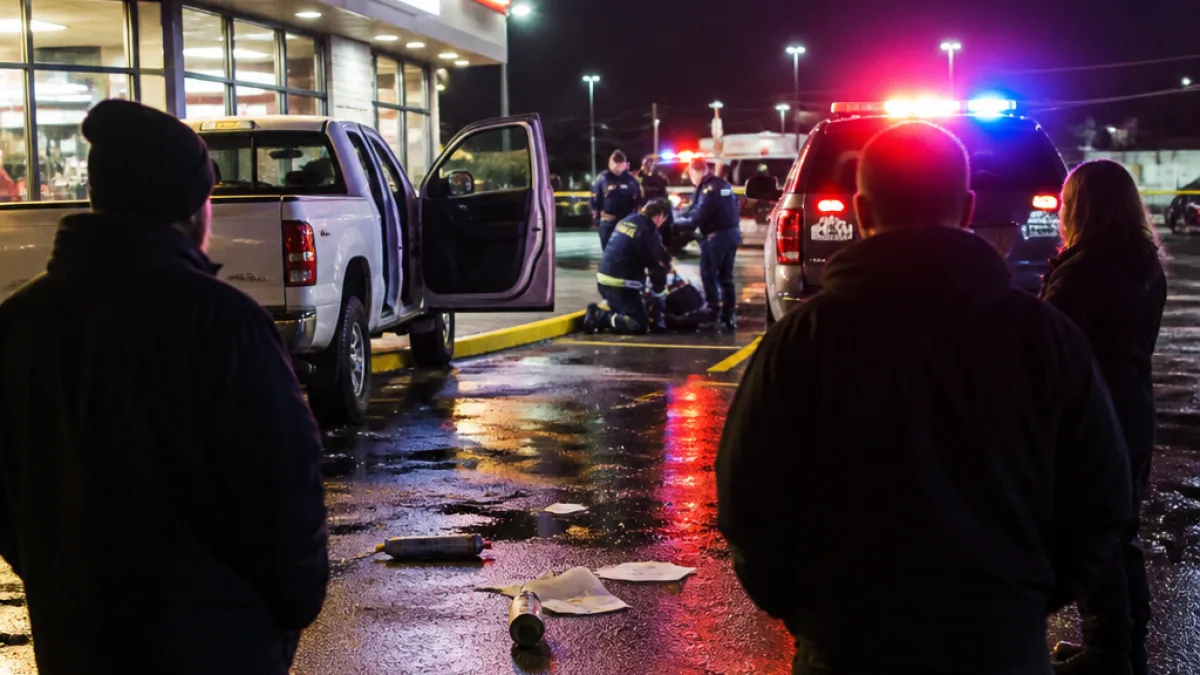
The Independent Investigations Office (IIO) released a report finding the incident began as a routine traffic stop that escalated. Investigators determined officers had identified a pickup truck they suspected might be stolen and followed it to a fast-food restaurant outside Mission.
Witness accounts provided to the IIO included statements from responding officers, bystanders and a passenger inside the truck. According to the report, the man used profanity and resisted instructions to lie on the ground, which witnesses said may have been linked to a mobility problem. During the arrest, pepper spray was deployed and the man was placed into the back seat of a police vehicle. He stopped breathing soon afterwards and was transported to hospital where he later died.
"It cannot be said, in the circumstances, that any of the officers used force that was unnecessary or excessive," Chief Civilian Director Jessica Berglund wrote in the report.
Medical findings and cause of death
An autopsy concluded the man’s death resulted from a combination of factors: acute drug intoxication—including methamphetamine—stress associated with the struggle, and pre-existing conditions such as heart disease and obesity. The IIO report notes these multiple contributors in explaining why investigators did not recommend criminal charges.
Assessment of officers’ actions
Chief Civilian Director Jessica Berglund also observed that the officers’ initial actions were based more on suspicions than hard evidence when they stopped the vehicle. Still, the report says the death is linked to the detainee’s failure to fully comply with police directions, which the IIO characterises as a factor that would have prevented the outcome if the man had cooperated.
Investigators reviewed the use of force and concluded the level of force applied was not unnecessary or excessive given the circumstances as they were presented to officers at the scene.
Key facts at a glance
- Date of incident: Feb. 9, 2025
- Location: Outside a fast-food restaurant near Mission, B.C.
- Agency involved: Abbotsford police officers
- Outcome: No criminal charges recommended by the IIO
| Item | Detail |
|---|---|
| Initial contact | Traffic stop after officers suspected truck might be stolen |
| Use of force | Pepper spray and physical restraint |
| Medical cause | Acute intoxication (including methamphetamine), stress from struggle, heart disease, obesity |
Local implications and public interest
The IIO’s decision addresses immediate questions about individual officer culpability, but it also touches on broader concerns that often arise in provincial policing oversight: how suspicion-based stops are handled, how officers assess risk in confrontational encounters, and how medical vulnerability and intoxication are weighed following use-of-force incidents.
For families and community members, the report’s emphasis that the encounter began with suspicion rather than concrete evidence may raise questions about policing tactics during traffic investigations. The IIO’s findings may also prompt discussion about training and protocols for dealing with people who have mobility issues or apparent medical vulnerabilities.
What the IIO ruling means going forward
With no charges recommended, the case closes in terms of criminal prosecution, but it may still be relevant to civil proceedings or internal police reviews. The IIO’s public report provides a factual record of events and the rationale behind its decision, information that agencies, advocates and community members can use to inform debate about policing practices.
As this matter has drawn scrutiny, local residents and oversight bodies will likely watch for any policy or training changes from the police agency involved. The IIO’s detailed account also underscores the complexity of deaths that occur during police interactions where multiple medical and situational factors converge.
Authorities have released the report to the public to explain their findings; no further criminal action is being pursued by the province’s police watchdog.