Last summer’s devastating wildfire in Kingston and Conception Bay North has not simply become another tragic entry in the province’s history of emergency responses — it has altered how officials, emergency managers and residents think about the very nature of wildfire risk in Newfoundland and Labrador.
A turning point
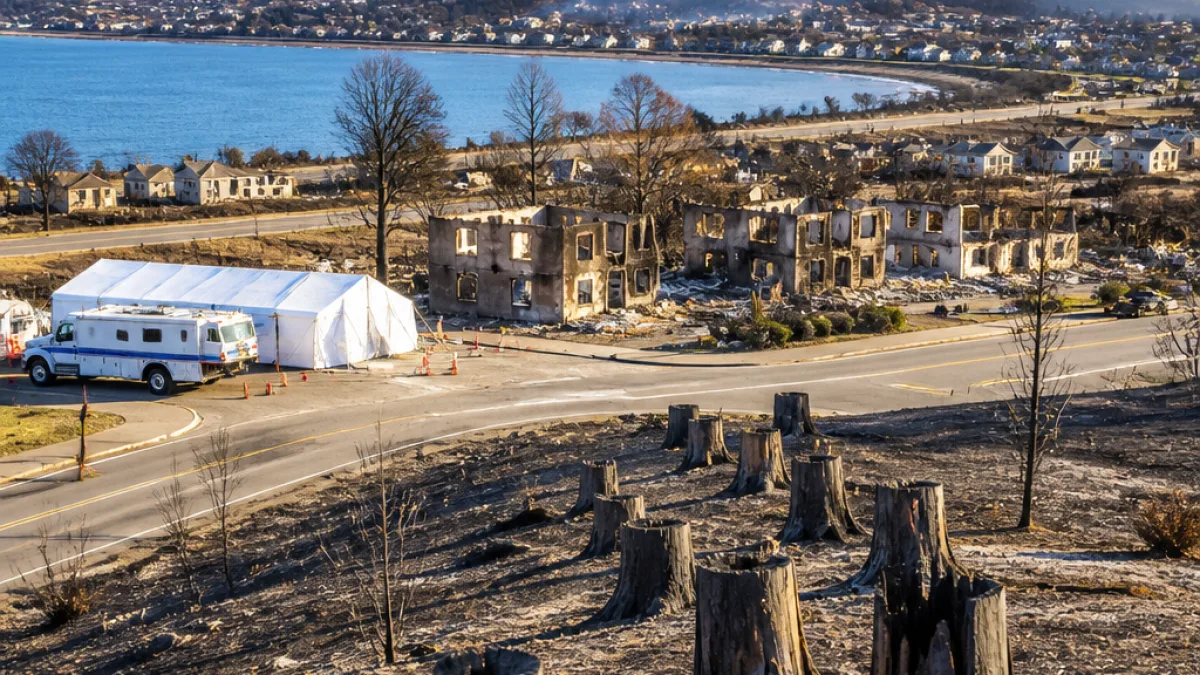
Hilary Winstanley, regional co-ordinator with the Wildfire Resilience Consortium of Canada, told CBC Radio this week that the Kingston blaze “changed the conversation” about wildfires here. The fire, which began on Aug. 3, 2025, forced the evacuation of more than 3,000 residents, destroyed roughly 200 structures and at its height burned 10,708 hectares. While some residents have returned, much of the affected area is still rebuilding.
“We are getting increased risks in Newfoundland communities that we are seeing elsewhere in Canada and it does feel like it is certainly more emerging in Newfoundland in the last few years,” Winstanley said.
She said the province is seeing patterns more commonly associated with the big fire seasons of western Canada: higher incidence of fires, larger fire size and more direct impacts on communities and infrastructure.
From rare to recurring concern
Historically, Newfoundland and Labrador has been spared the frequency and scale of the massive wildfires seen farther west. But Winstanley and others involved in wildfire management say that is changing. Increased fire activity across the province in recent years — culminating in the 2025 season — has made wildfire a standing concern rather than an occasional emergency.
That shift matters for more than just firefighting resources. It affects land‑use planning, emergency evacuation planning, insurance considerations and how communities prepare for and recover from smoke and flame.
What happened in 2025
The Kingston fire was one of several major blazes that burned across Newfoundland and Labrador in 2025. Its scale and the human toll made it emblematic of the new reality facing the province.
| Event | Figure |
|---|---|
| Evacuations (Conception Bay North) | More than 3,000 people |
| Structures destroyed | About 200 |
| Area burned | 10,708 hectares |
Practical implications for communities
Residents and municipal leaders across the province are now grappling with practical questions: how to make communities more defensible, where to locate evacuation centres, how to ensure vulnerable residents can leave quickly, and what role vegetation management and building codes should play.
Wildfire experts stress that a combination of measures is needed. These include:
- improved community-level planning for evacuation and sheltering, especially for elderly or mobility‑limited residents;
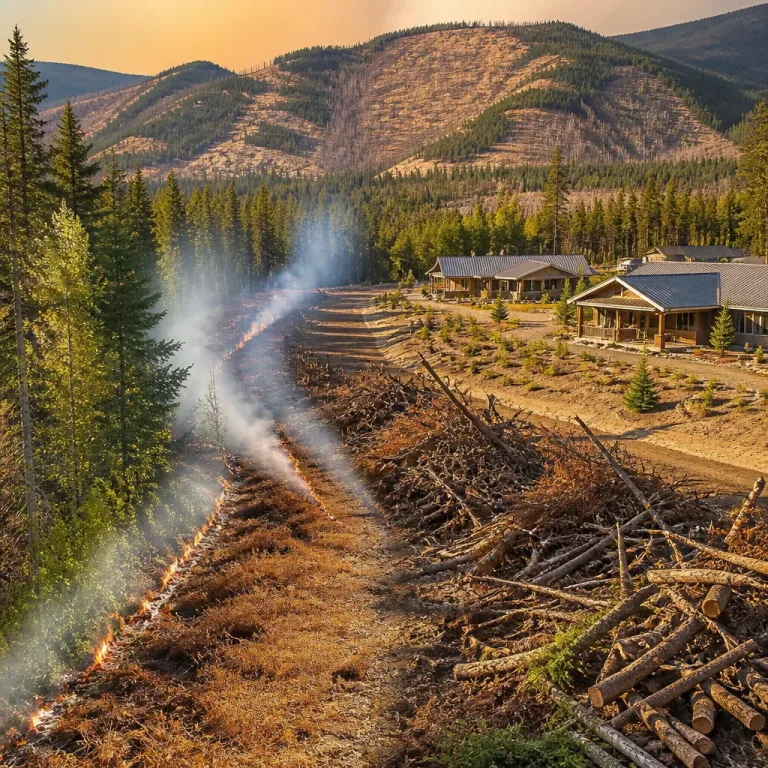
- fuel-management around homes and infrastructure, including clearing brush and maintaining defensible space;
- investments in detection and response tools such as drones and thermal imaging used by search and rescue and firefighting teams;
- public education on household preparedness and smoke health risks.
Challenges remain
Adapting to more active fire seasons presents logistical and financial challenges. Firefighting resources in the province are limited, and equipment and personnel may be stretched when multiple fires occur. Insurance markets and rebuilding costs are another area of concern for affected households.
Recovery in Kingston and Conception Bay North continues at the local level. While some residents have been able to return, many neighbourhoods show the slow, grinding work of clean up and reconstruction. Beyond the physical rebuilding is the social work of recovery — reconnecting community networks and dealing with the emotional toll of evacuation and loss.
Looking ahead
Winstanley’s warning — that Newfoundland and Labrador is now seeing wildfire risks more like those experienced elsewhere in Canada — is a call to action. It asks municipal planners, provincial officials and residents to plan on a different baseline: more fires, more smoke, and more community impacts.
For a province long known for its maritime climate and green hills, the prospect of regular, large wildfires presents a new test. How public officials respond over the coming months — in policy, planning and funding — will shape whether last summer’s Kingston blaze is remembered only as a disaster, or as the impetus for meaningful change in how Newfoundland and Labrador lives with fire.
— Brendan Hynes, NEXO RADAR