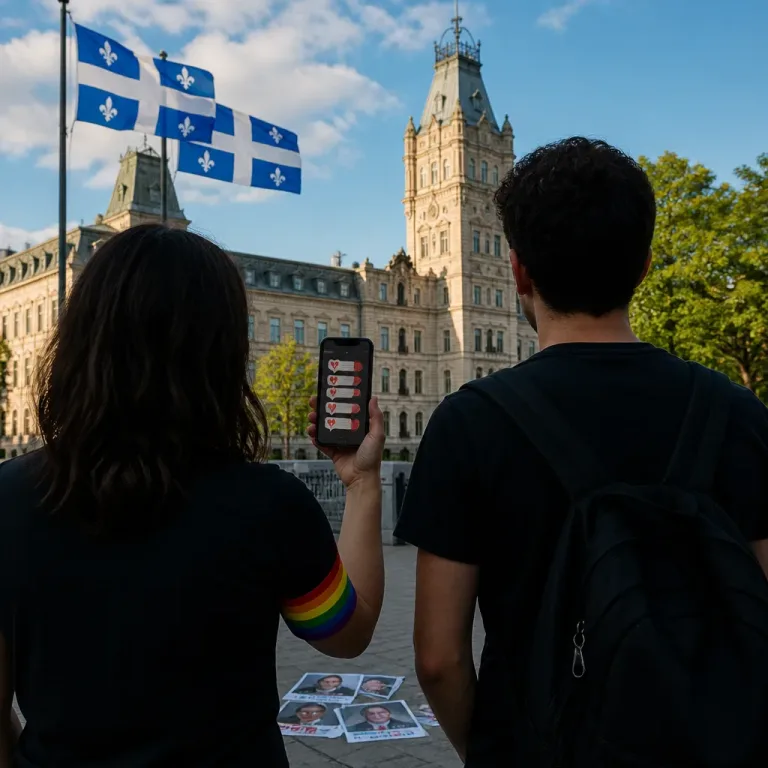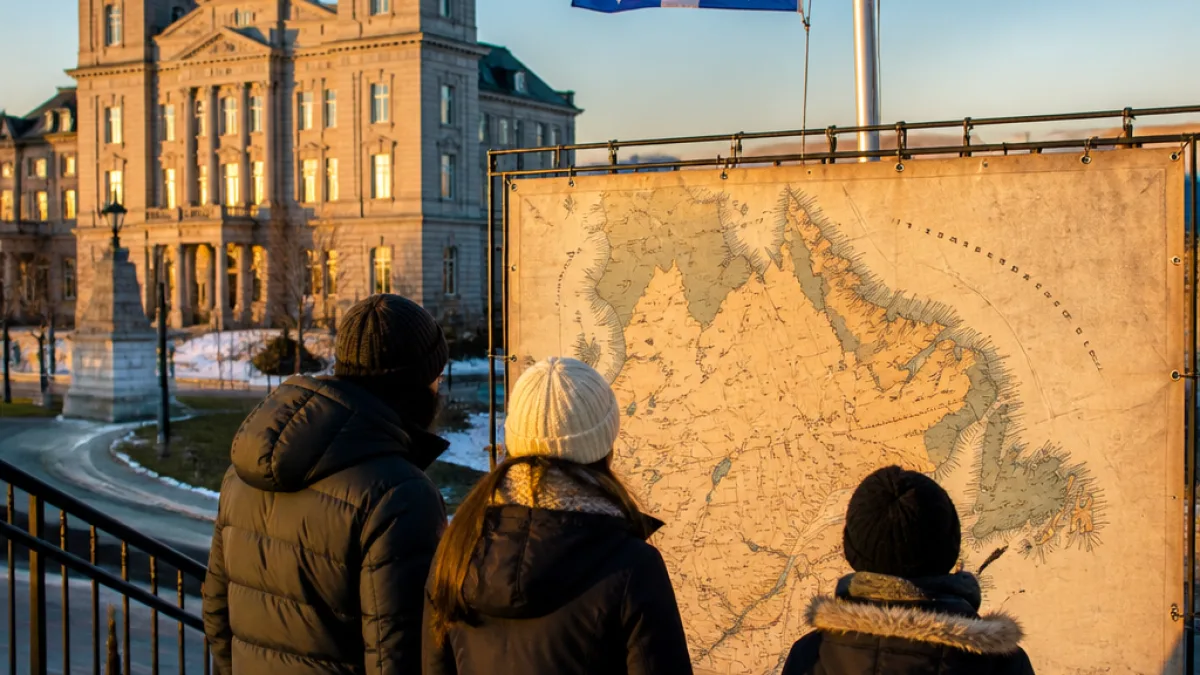
The long-settled line dividing Quebec and Newfoundland and Labrador has been thrust back into political conversation after the Parti Québécois put the boundary issue into its most recent sovereignty policy document.
What the PQ is saying
The party’s Blue Book on sovereignty — released late in June — cites the 1927 British Privy Council judgment that established the overland boundary. While the document acknowledges there is "no legal recourse" to overturn that decision, it suggests another route.
"For Quebec, the only way to redress this injustice would be to propose a political settlement, or even financial compensation. Thus, an independent Quebec would submit a claim for redress of this injustice as part of the overall negotiations with Canada."
That language, included in an English translation of the PQ paper, frames the boundary matter not as a current court case but as a bargaining point in any future political negotiations tied to Québec sovereignty. The issue gained renewed attention after a July 17 letter to the editor from PQ leaders reiterated the claim of an historical injustice.
Energy ties complicate the debate
Observers in Newfoundland and Labrador note the boundary row does not exist in a vacuum. Commentators within the PQ have also linked the matter to ongoing talks over hydroelectric resources on the Churchill River and the complex, decades-long disputes involving Churchill Falls and provincial Crown energy corporations.
In media coverage on July 22, PQ energy critic Pascal Paradis connected those energy discussions to broader interprovincial negotiations. A PQ staffer declined an interview on Paradis’s behalf and pointed reporters to statements posted on social media that address power and water-resources negotiations, though the social posts did not explicitly reargue the border decision itself.
History and the constitutional reality
Legal experts and historians have long viewed the 1927 Privy Council ruling as the definitive legal settling of the line. The British judgment was later incorporated into Canadian constitutional arrangements. That reality is acknowledged in the PQ paper, which explicitly states there is no legal avenue to contest the Privy Council ruling.
Still, by framing the matter as a possible item for political negotiation — or even compensation — the PQ has made the boundary a potential political cudgel as Quebec heads into an election campaign this fall.
Local reactions and likely impact
Here in Newfoundland and Labrador, the idea of reopening the boundary question is likely to be met with scepticism and political resistance. The province’s relationship with hydroelectric development and revenue-sharing arrangements — especially those linked to Churchill Falls — is already a fraught subject and any suggestion of new claims or compensation tied to the boundary could reanimate old grievances.
Practical implications for residents are unclear: the PQ itself admits there is no legal route to change the map. What remains possible is the use of the boundary as a bargaining chip in wider political negotiations, particularly if sovereignty discussions intensify.
- Key legal anchor: 1927 British Privy Council decision that set the overland boundary.
- PQ stance: No legal recourse, but political settlement or financial compensation could be pursued by an independent Quebec.
- Energy tie-in: PQ critics have linked the boundary question to Churchill Falls and river-power negotiations.
Timeline (selected)
| Date | Event |
|---|---|
| 1927 | British Privy Council decision defining the overland boundary |
| Late June (year of report) | Parti Québécois releases Blue Book on sovereignty referencing the boundary |
| July 17 | PQ leaders publish a letter reiterating the claim in Le Devoir |
| July 22 | National Post features PQ critic Pascal Paradis linking the matter to hydro negotiations |
For most Newfoundlanders and Labradorians, the historical line is not hypothetical: it defines jurisdiction, resource rights and provincial borders that underpin public services and local economies. Reheating the topic in political discourse could sharpen tensions between provincial governments and complicate already delicate energy talks.
Until an actual legal challenge emerges — something PQ documents concede is not possible — the border remains fixed on the map. What has changed is the political framing: the issue is now expressly being positioned as part of a larger menu of grievances an independent Quebec might raise in negotiations with Canada.
That shift makes the story one for politicians and policy wonks to monitor closely, but it also matters to everyday people here. Conversations about boundary lines and hydro revenues have a way of looping back into municipal funding, jobs in energy sectors and the political rhetoric Newfoundlanders and Labradorians hear from Ottawa to St. John’s to Québec City.
Expect more heat than light as the Quebec election campaign approaches, and keep an eye on any formal statements from provinces and federal ministers that could attempt to cool or escalate the debate.