A new provincial report suggests renting in Saskatchewan is becoming a longer-term choice for a growing number of people, with affordability and flexibility cited as major factors shaping demand.
Who’s renting and why it matters
The Saskatchewan Rental Population Report, released by Rental Housing Saskatchewan, examines the profile of renters in the province and the services and amenities they value when choosing a home. The findings are intended to help rental housing providers tailor offerings to changing needs.
“Our organization wanted to put together a bit of a report and analysis to really understand how we can meet the needs of the communities and residents we serve,” said Landon Field, chief executive officer of Rental Housing Saskatchewan.
The report highlights two headline figures that illustrate shifting patterns in the provincial rental market:
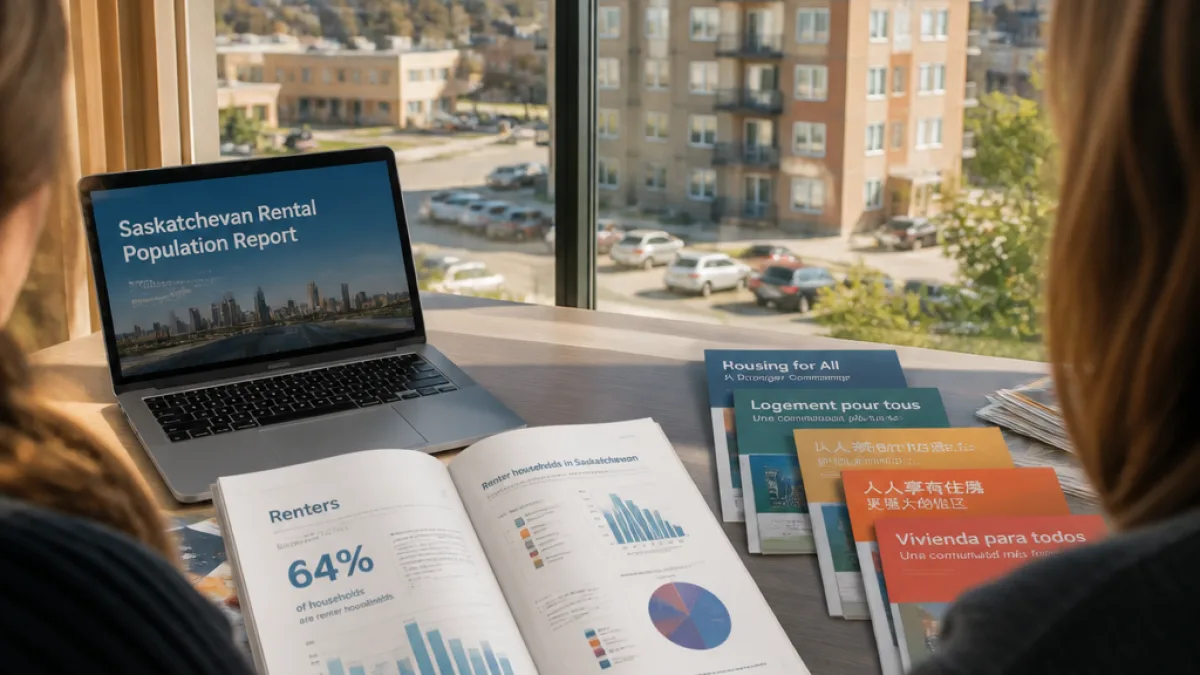
- 64 per cent of people who immigrated to Canada within the past five years are renters in Saskatchewan.
- 80 per cent of property operators surveyed reported seeing more residents opting to rent for longer periods.
| Measure | Percentage |
|---|---|
| Recent immigrants who rent (within 5 years) | 64% |
| Operators seeing longer-term renters | 80% |
Newcomers and the rental market
The report underscores the central role rental housing plays for newcomers soon after arrival. Rental housing providers, including professional landlords and property managers, are a critical part of the housing pathway for people who move to Saskatchewan from abroad.
While the report does not offer a detailed breakdown of settlement patterns by city, the high share of recent immigrants among renters points to demand for accessible, navigable rental options — from initial leases to supports for household setup and local integration.
Longer stays change landlord priorities
Rental operators told the researchers they are seeing more tenants stay in place for longer stretches. That trend can shift how landlords plan maintenance, upgrades and tenant relations: longer tenancies often make investments in building quality and amenity upgrades more financially justifiable and can reduce turnover costs.
For tenants, the move toward longer renting can reflect several forces: housing affordability pressures that make home ownership out of reach; lifestyle choices that favour mobility or flexibility; and a rental market that increasingly offers features once associated with ownership.
What landlords and tenants should know
For landlords and property managers, the report suggests practical directions to align services with tenant priorities. While the survey did not publish a full list of desired amenities in the source material, Rental Housing Saskatchewan’s stated purpose in commissioning the study is clear: to help providers match supply with what residents value.
For renters and prospective tenants — especially newcomers — the findings are a reminder to ask landlords about supports that can ease settlement, such as clear lease terms, referrals for local services and flexible lease periods. For community planners, the study points to the need for continued attention to rental affordability and the infrastructure that supports long-term tenancy.
Next steps and local impact
Rental Housing Saskatchewan commissioned the analysis to gain a clearer picture of the people it serves. The organisation has indicated it will use the findings to guide engagement with rental housing providers across the province.
Municipalities and housing stakeholders looking to respond to these trends should consider:
- Strengthening supports for newcomers navigating the rental market.
- Encouraging landlord investments that improve building quality for long-term tenants.
- Monitoring affordability indicators tied to the growing proportion of long-term renters.
As Saskatchewan’s rental population evolves, data like that compiled by Rental Housing Saskatchewan will be key for policy-makers, landlords and community groups to ensure housing options meet the province’s shifting needs.