MAX Power Mining Corp. has sharply increased its land position in south-central Saskatchewan, adding permits that cover about 660,263 acres (2,672 sq. km) of provincial land adjacent to its established Lawson discovery.
Major expansion beside Lawson
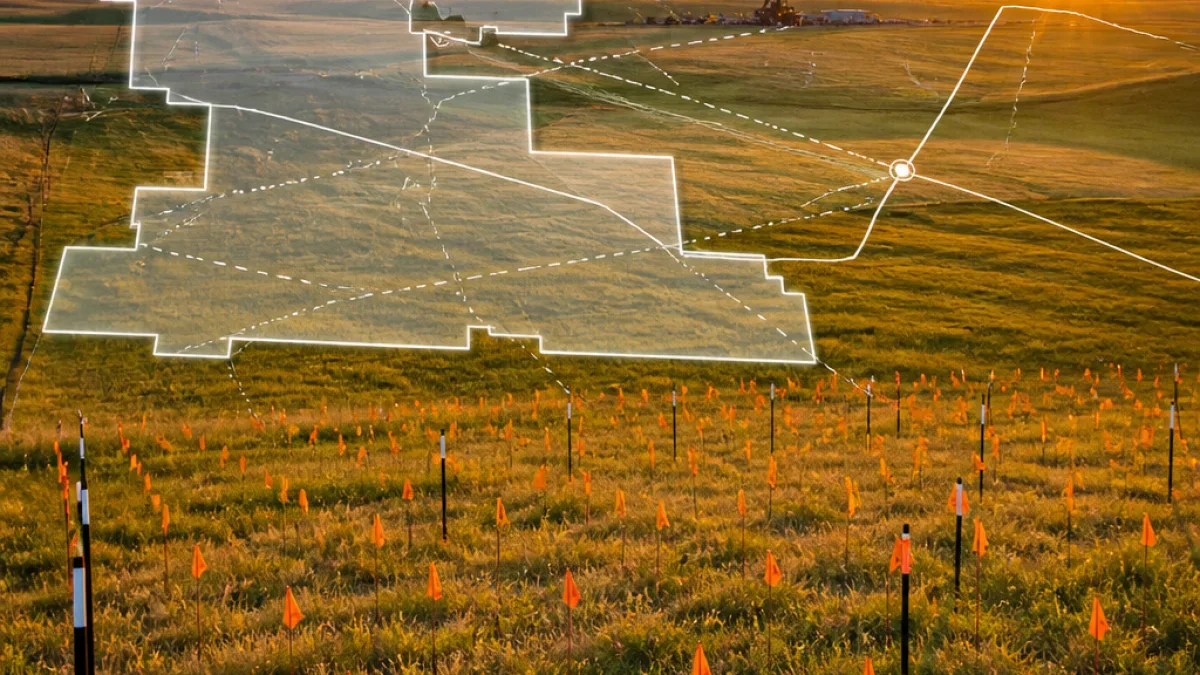
The new permits make up the company’s newly named Aurora Project, a package of land that stretches toward the City of Moose Jaw. The acquisition raises MAX Power’s permitted area in the province to roughly 2 million acres, an increase of more than 50 per cent, according to the company’s announcement.
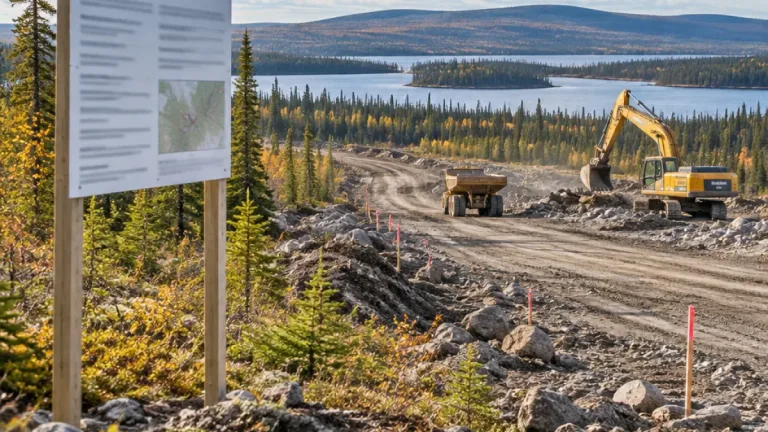
MAX Power said the Aurora permits, totalling about 155,125 acres contiguous with the Lawson area, form a basement-controlled structural play that the company interprets as having similar geological traits to the Lawson discovery. The Lawson site has been described by the company as Canada’s first confirmed Natural Hydrogen system and is the focus of ongoing commercial validation drilling.
Geological and commercial context
The company’s public statement notes the Aurora ground lies on geological contacts the company considers favourable for natural hydrogen accumulation — including potential source rocks, migration pathways and structural traps. MAX Power framed the move as part of a strategy to advance commercial growth along what it calls the Genesis Trend, an area it says is located within a major industrial corridor that includes large-scale data centre development on Moose Jaw’s western flank.
MAX Power also highlighted that it has a formal understanding with the City of Moose Jaw to explore joint opportunities tied to development of natural hydrogen as an energy source.
Permit totals at a glance
| Item | Area |
|---|---|
| Aurora Project permits added | 660,263 acres (2,672 sq. km) |
| Contiguous area joined to Lawson | 155,125 acres (628 sq. km) |
| Total permitted land position (approx.) | 2 million acres |
Why it matters to Saskatchewan
The move places a larger swath of provincial land under permit for the exploration of an unconventional energy resource — natural hydrogen — which MAX Power and others are promoting as a potential new primary energy source. The company argues the geology in this part of the province could host multiple discoveries that may lead to commercial development.
For communities and landholders in south-central Saskatchewan, expanded permitting can draw attention from industry and government and could influence future planning, infrastructure and land-use discussions. MAX Power’s outreach with Moose Jaw indicates municipal authorities are already engaged in talks about possible collaboration.
What MAX Power says
The announcement, issued from Regina on July 24, 2026, presents the Aurora permits as a strategic complement to the Lawson project and part of the company’s growth plan for its natural hydrogen business. The company trades on multiple exchanges under the symbols CSE: MAXX, OTC: MAXXF and FSE: 89N, details included in the release.
Next steps and on-the-ground activity
MAX Power said commercial validation drilling continues at Lawson. The company’s interpretation of the Aurora permits is based on in-house analysis of geological and geophysical datasets; the announcement frames the new land as offering “near-term potential” for further discoveries. The pace and scope of future field work on the Aurora permits will depend on regulatory approvals, permitting, and the company’s operational plans.
- Permit area added: 660,263 acres (2,672 sq. km)
- Contiguous block near Lawson: 155,125 acres (628 sq. km)
- Company focus: advancing Natural Hydrogen exploration and potential commercial pathways
MAX Power’s announcement is part of a wider conversation about the role of Saskatchewan’s geology in emerging energy and technology supply chains. As the company progresses with field programs and municipal discussions, observers in government, industry and agriculture will be watching for concrete indicators of discovery, development plans and potential economic impacts for the region.
— NEXO RADAR