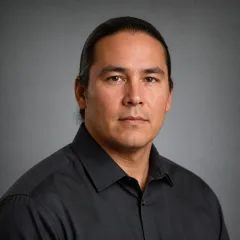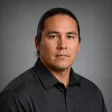
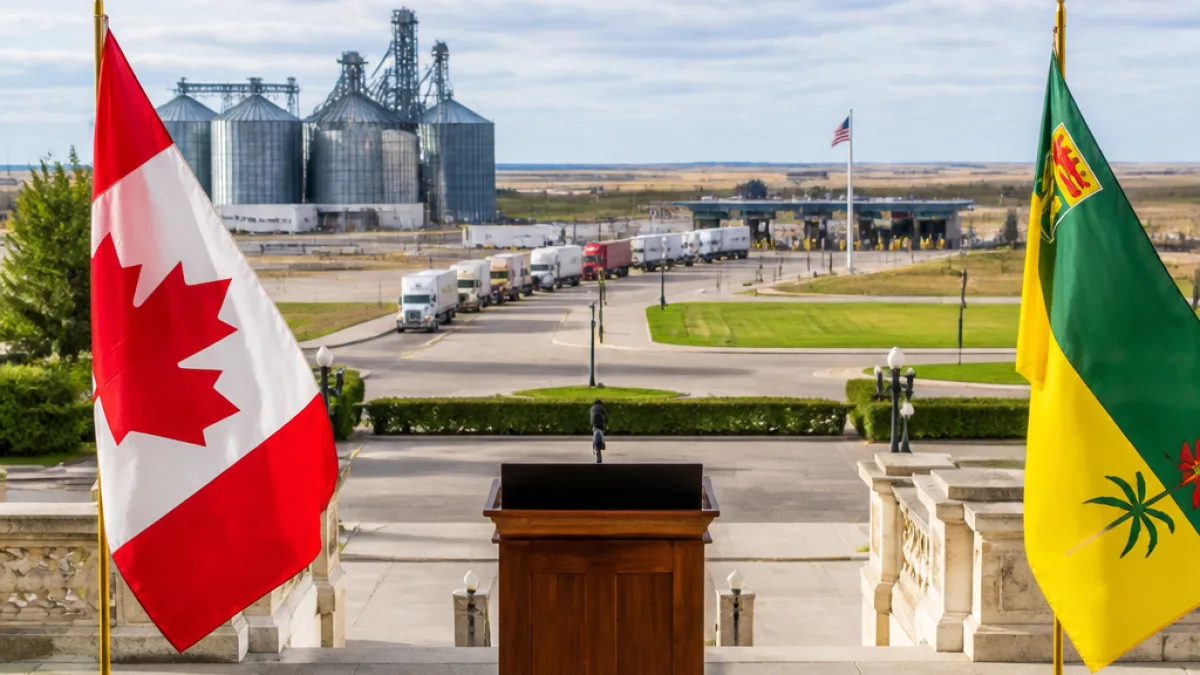
Saskatchewan Premier Scott Moe is calling the United States’ new 50 per cent tariffs on select Canadian goods a violation of the Canada-United States-Mexico Agreement and says the provincial government stands behind Ottawa’s plan to respond in kind.
What happened
Late Friday, Canada and the United States announced negotiations had failed to reach a last-minute settlement, leaving in place fresh U.S. duties set at 50 per cent on a range of Canadian products. The measures apply to roughly $28 billion in Canadian exports, federal officials said.
In a post on the social platform X on Saturday, Mr. Moe criticised the U.S. negotiating approach and said the new tariffs undermine the spirit and text of CUSMA — the trade deal that replaced NAFTA — adding that Saskatchewan supports the federal government’s chosen path of retaliation.
“Last minute changes by U.S. negotiators undermined the fairness and reliability of the deal,”
Province backs Ottawa’s response
Prime Minister Mark Carney announced Canada will impose matching counter-tariffs “dollar for dollar” on targeted U.S. goods to protect Canadian workers and businesses. The federal government framed that approach as a measured, reciprocal response intended to shield domestic industries while signalling that the blanket U.S. increase is unacceptable.
Mr. Moe said Ottawa made the right decision by declining an agreement he described as unfair and unreliable, and he praised the decision to enact retaliatory duties.
What this means for Saskatchewan
The federal announcement and the premier’s support raise immediate concerns for Saskatchewan exporters, producers and manufacturers who rely on cross-border trade. While the federal government has identified the scale of affected goods nationally, provincial leaders and sector groups will be watching closely for details about which specific products are targeted and how retaliation will be applied.
- Market access: Exporters may face curtailed access to U.S. buyers for products included under the tariff list.
- Supply chains: Firms using inputs from the U.S. or selling intermediate goods south of the border could see costs and logistical complications rise.
- Farming and manufacturing: Saskatchewan producers and processors who trade across the border are among those likely to seek clarity and support.
Timeline of recent actions
| Date | Action |
|---|---|
| Friday | Canada and U.S. fail to reach last-minute deal; U.S. 50% tariffs come into effect |
| Saturday | Premier Scott Moe posts criticism and supports Canada’s planned dollar-for-dollar retaliation |
Federal-provincial coordination expected
The premier’s public statement signals Saskatchewan will align with Ottawa’s strategy rather than pursue an independent response. That alignment is intended to present a united Canadian front as negotiations and consultations continue.
Officials in Saskatchewan did not, in the material reviewed, outline immediate provincial measures such as provincial supports or targeted relief for affected firms. The province’s emphasis is on upholding international trade rules and ensuring Canadian businesses have Ottawa’s backing in any tit-for-tat tariffs imposed by Washington.
What industry stakeholders will want to know next
Businesses, industry associations and farm organisations will be seeking:
- the precise list of U.S. products selected for Canadian counter-tariffs;
- timelines for when Canada’s retaliatory measures will be implemented;
- any exemptions or carve-outs for sensitive goods or critical supply chains;
- provincial and federal supports for exporters facing sudden market disruption.
The federal government has framed its response as proportionate and targeted. For Saskatchewan, where cross-border trade is integral to many sectors, clarity in the coming days will be vital.
This developing trade dispute between Ottawa and Washington is likely to have ripple effects across the Prairies as companies and governments assess exposure, plan responses and lobby for protections. I will continue to monitor statements from provincial ministers, industry groups and the federal government as more details emerge.