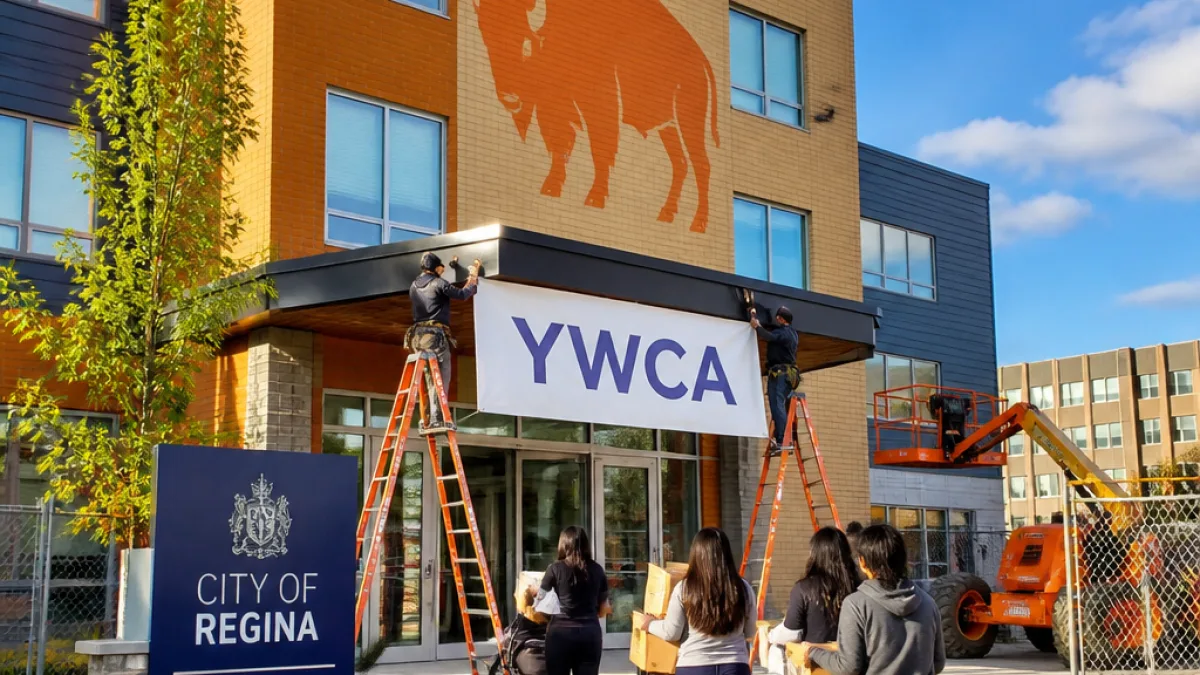
The City of Regina has agreed to transfer ownership of the Orange Buffalo Lodge to YWCA Regina, marking a major step toward opening a 30-unit affordable housing development that has been stalled since late 2024.
Background and city involvement
Construction on the Orange Buffalo Lodge, at 2710 5th Avenue, began in 2023 as a community-led affordable housing project. Work halted in late 2024 after initial funding was exhausted. At that time, the North Central Family Centre was overseeing the build, which was intended to become a roughly $4 million community hub.
To finish construction, the City of Regina invested $3 million through the provincial Housing Accelerator Fund last fall and took ownership of the property earlier this year. City council made clear it did not plan to operate the building long term, but rather sought a non-profit housing operator to manage the completed lodge.
YWCA selected as operator
Following a review of multiple applications, council unanimously approved a sale agreement this week to transfer the property to YWCA Regina. The organization has proposed a hybrid service and housing model that combines supportive housing with an Indigenous-led family reunification stream.
According to the submission to the city, access to both streams will be coordinated through referrals involving the Ministry of Social Services and community partners. The lodge is planned to open in the fall.
“Ninety per cent of individuals in the organization’s Regina housing programs identify as Indigenous,” YWCA Regina CEO Melissa Coomber-Bendtsen told Regina’s executive committee on July 22, adding the agency faces a waitlist of more than 4,000 women and children.
Who the units are for and services planned
YWCA Regina plans to divide the 30 units among distinct priority groups, including Indigenous people, young adults, seniors and women with children. The operator also intends to carry forward the North Central Family Centre’s vision for a community hub that provides employment and supports on site.
- Supportive housing: on-site supports and coordinated referrals for residents exiting institutional systems or stabilizing their housing.
- Indigenous-led family reunification: programming intended to support families working to regain stability and reunite where appropriate.
- Social-enterprise elements: a laundromat and commercial kitchen to create job opportunities for residents, plus a gathering space for community use.
City documents specify the unit breakdown as part of the YWCA plan:
| Resident priority | Units |
|---|---|
| Indigenous people | 17 |
| Young adults | 10 |
| Seniors | 3 |
| Prioritization for women and children | 15 units prioritised |
The operator’s plan emphasises that access routes to the different streams will be coordinated, rather than open intake for all units through the same process.
Local context and implications
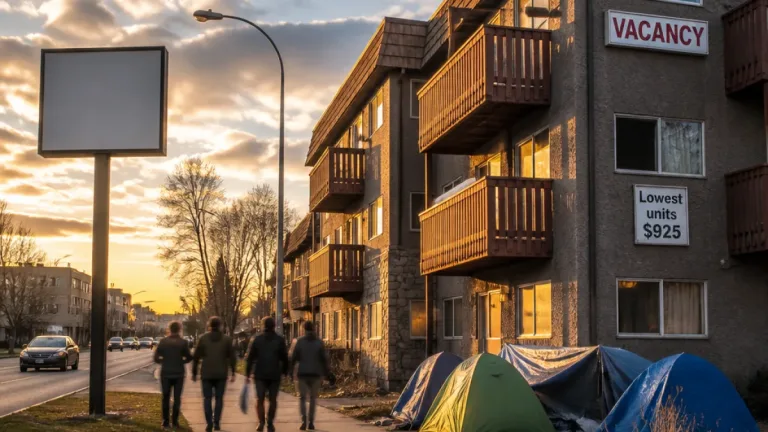
The Orange Buffalo Lodge arrives amid continuing housing pressures in Regina. The YWCA’s own figures, provided to the city, say more than 4,000 women and children are on a housing waitlist for its programs — a reminder of persistent demand for affordable and supportive housing in the city.
By combining housing with employment-focused social enterprises and culturally led supports, the YWCA’s model aims to link accommodation with pathways to stability. City officials have framed the $3-million intervention as a way to complete a stalled community asset and transfer it to a non-profit better positioned to run supportive housing.
With construction finished and the transfer now approved, attention will turn to move-in timelines, staffing and the coordination of referrals with provincial and community partners. For residents awaiting a roof over their heads and the supports that go with it, the lodge represents a concrete — if small — step toward relief.
Regina’s transfer of the lodge to a non-profit operator follows a broader trend in municipal housing responses: public funding to complete capital projects and non-profit partners to operate day-to-day services. The success of the Orange Buffalo Lodge’s hybrid model will depend on sustained partnership among the YWCA, government bodies and local service agencies.