Authorities in Richmond say the recovery of a commercial fishing charter that sank in the Strait of Georgia on June 28 must be handled methodically because the vessel is considered a key piece of evidence in an active RCMP probe.
Recovery complicated by depth and investigative priorities
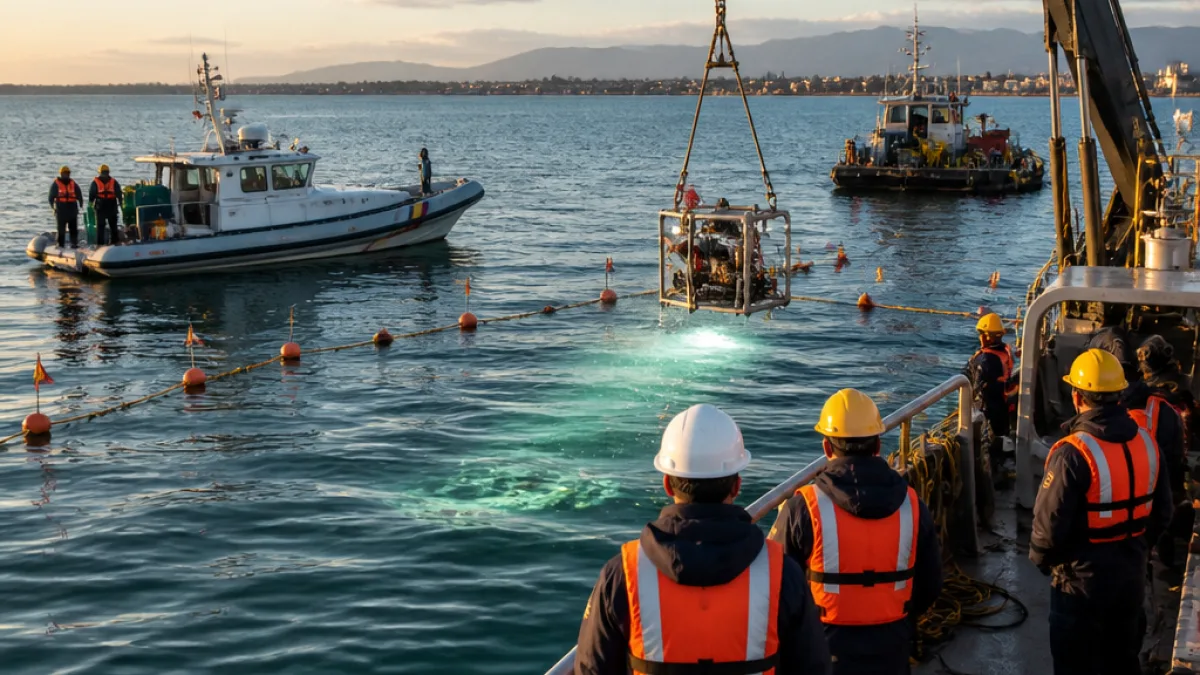
The sunken boat rests on the ocean floor at an estimated depth of about 150 metres, according to police statements. That depth presents technical challenges for salvage crews and divers, and investigators have stressed the need to preserve the scene while answering outstanding questions about what happened on board.
Ten people were aboard the charter when it went down. Four were pulled from the water at the time, and one of those later died in hospital. RCMP say witness accounts indicate there were more people in the water than the four survivors recovered, and as a result authorities consider that there may still be victims inside the vessel.
Mounties have repeatedly described the boat itself as potential evidence. That designation limits how and when recovery work can proceed; operation plans have to account for both human remains recovery and the integrity of evidence crucial to determining cause and potential criminality.
Local community response and memorials
At Imperial Landing Dock in Richmond, mourners have left flowers and tributes in the days following the tragedy. The gravity of the loss has resonated locally: small fishing communities along the South Coast know the sea’s risks, and the incident has prompted an outpouring of grief among friends and extended networks of anglers and operators.
Officials have not released the identities of those presumed drowned. Investigators are continuing to piece together timelines and witness statements, and have appealed for anyone with information about the incident to contact the RCMP.
What is known so far
| Detail | Figure/Status |
|---|---|
| Date of sinking | June 28 |
| People aboard | 10 |
| Recovered from water at scene | 4 |
| Later death in hospital | 1 |
| People presumed drowned | 6 |
| Approximate depth of vessel | 150 metres |
Technical and legal constraints on salvage
Salvage at the depth involved requires specialised equipment and experienced teams. In addition to the physical difficulty of lifting a vessel from 150 metres, investigators must ensure that any work does not compromise potential forensic evidence.
That dual requirement — to recover remains if present and to protect evidence — means operations will proceed more slowly and deliberately than a routine salvage. RCMP have emphasised the need for coordination among marine salvage experts, forensic teams and dive specialists.
- Salvage must balance search-and-recovery priorities with evidence preservation.
- Specialised equipment is required for operations at ~150 metres depth.
- Witness accounts suggested more people were in the water than those initially recovered.
Ongoing investigation and public appeals
Investigators continue to compile witness statements and other material related to the capsizing. The RCMP is treating the vessel as an evidentiary object until its recovery can be completed in a way that safeguards investigative needs.
Police have not yet commented on potential causes of the sinking and have not provided a timeline for when the vessel will be raised. They have asked anyone who may have been in the area or who has information about the incident to contact the investigating detachment.
The event has left families and community members seeking answers. As Richmond and surrounding coastal communities wait for the next steps in the recovery and the investigation, the RCMP's careful approach signals both the technical complexity and the legal sensitivity of recovering a sunken boat that may contain human remains and evidence.
More details are expected as salvage plans are finalised and as authorities complete forensic and investigative procedures tied to the vessel.