Council halts plan to reshape 17 neighbourhoods for denser, walkable ‘villages’
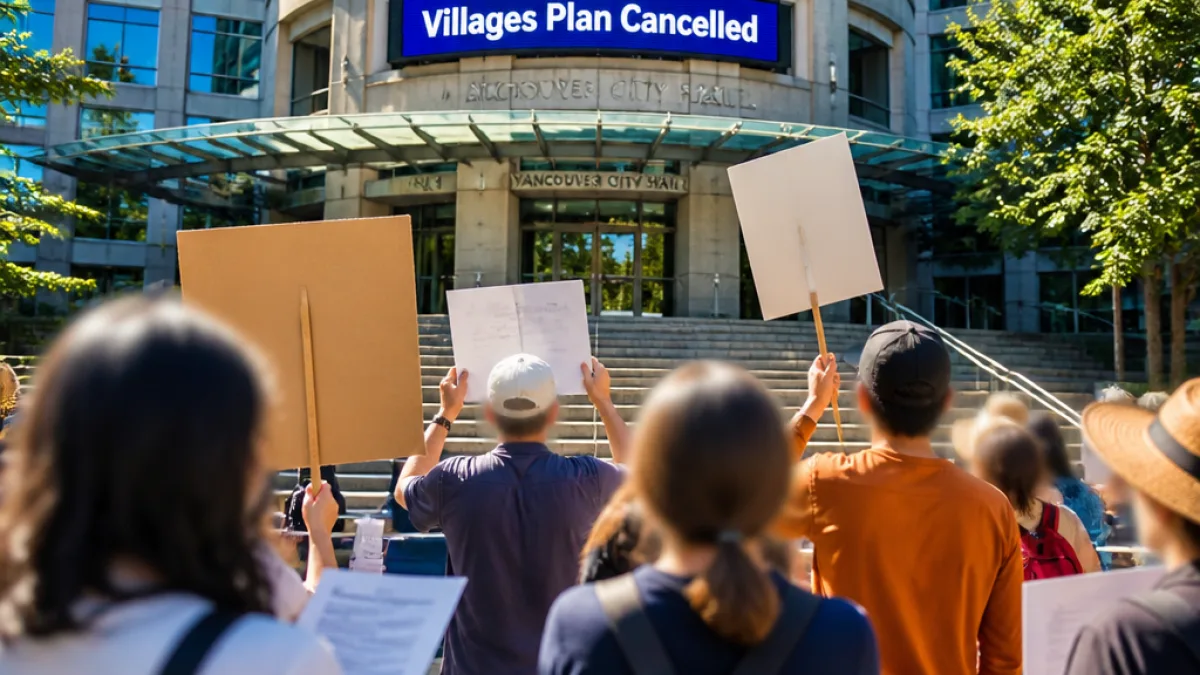
Vancouver city council has decisively rejected a plan that would have rezoned 17 areas across the city to allow denser, walkable “villages,” voting 10-1 against the proposal at a council meeting on Tuesday. The plan had proposed more apartments up to six storeys and increased street-level retail in a bid to encourage growth beyond major arterial corridors.
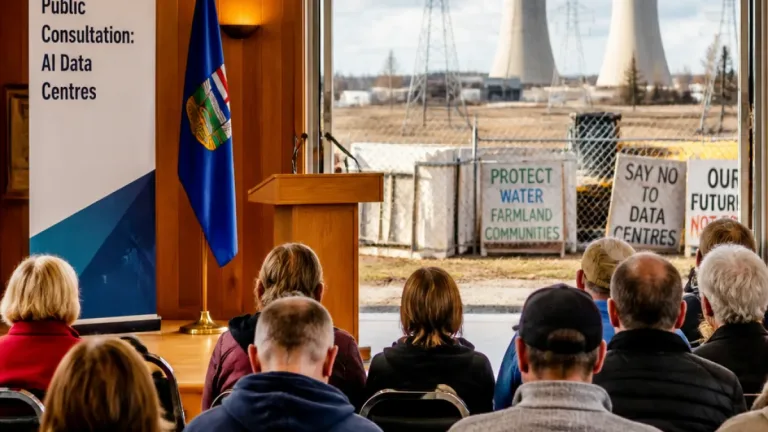
The proposal drew an intense public response: city staff recorded more than 1,000 written submissions and over 300 people spoke at the public hearing. The majority of speakers opposed the plan, raising concerns about neighbourhood character, local infrastructure capacity, property rights and potential loss of tree canopy.
“We directed staff to cancel the plan full-stop. It will not move ahead,” ABC Coun. Sarah Kirby‑Yung said after the meeting. “We really heard a tsunami, a landslide of opposition, there was no social licence to move this plan forward.”
What the villages plan would have done
The rejected proposal aimed to create a network of 17 designated village areas intended to accommodate a wider range of housing choices, including mid‑rise apartment buildings with ground-floor commercial space. Supporters of the plan argued that spreading higher-density housing across the city would create more options for residents in established neighbourhoods, rather than concentrating growth only along major roads.
Opponents countered that the plan would alter the character of family-oriented streets, strain existing services and utilities, and remove trees and private‑property rights through new zoning rules. Those themes dominated the hearing and the hundreds of written submissions that reached city hall.
Local implications and next steps
The council vote effectively stops the villages initiative in its tracks. City staff have been directed to cancel the plan entirely, leaving open questions about how Vancouver will meet housing targets and manage growth pressures without the proposed neighbourhood-level upzoning.
City officials and housing advocates have repeatedly said that increasing density near transit and throughout the city is a key tool for boosting housing supply and affordability. With the villages plan off the table, the city will retain its existing zoning framework — at least for now — and may need to pursue alternative approaches to meet provincial and regional housing objectives.
Those alternatives could include concentrating more growth along arterials and existing transit corridors, exploring targeted rezonings on a case‑by‑case basis, or developing new policies that respond to the concerns raised during the hearing. Council did not, however, outline specific replacement measures at the meeting where the plan was cancelled.
Numbers and public response
- Council vote: 10 against, 1 in favour
- Designated village areas proposed: 17
- Public input: more than 1,000 written submissions and 300+ speakers
| Item | Figure |
|---|---|
| Council vote | 10–1 |
| Proposed villages | 17 |
| Written submissions | 1,000+ |
| Speakers at hearing | 300+ |
For residents, the decision leaves an immediate certainty: the city will not proceed with blanket rezoning to create the proposed villages. But it also leaves uncertainty about how Vancouver will tackle a chronic shortage of housing and escalating prices in a city where demand remains high.
Those who opposed the plan welcomed the result as a defence of neighbourhood character and property rights. Those who supported it warned that rejecting a citywide, proactive approach to spreading density could make it harder to add housing in quiet residential areas and could again concentrate development pressure along busier corridors.
As the debate moves on, council and staff will face pressure from multiple directions — residents who want to preserve existing streetscapes, and housing advocates and planners who argue that more numerous, distributed housing opportunities are essential to a functioning, affordable city.
The vote marks a significant moment in Vancouver’s long-running conversation about growth, livability and who gets to shape the city’s future.