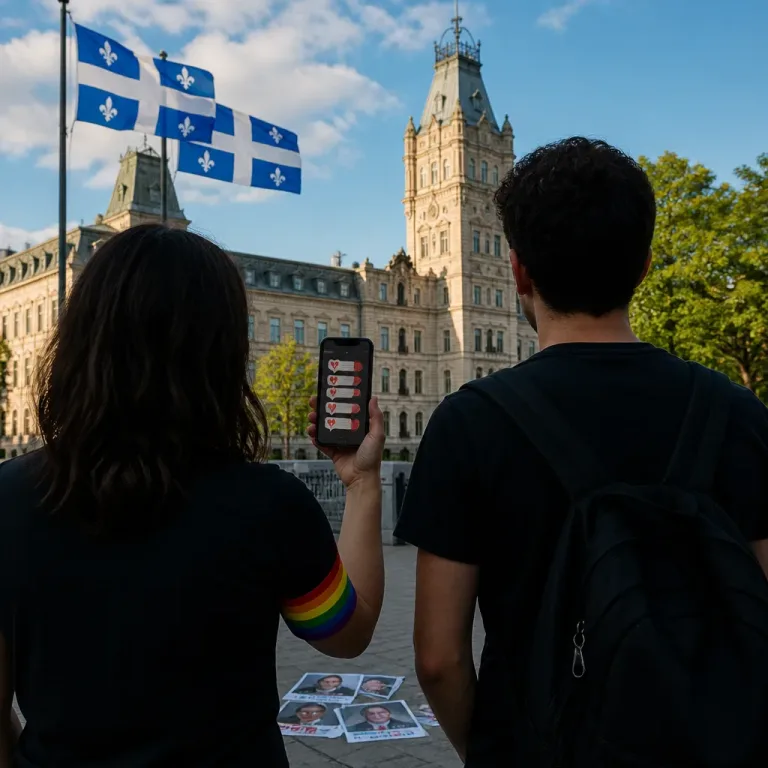
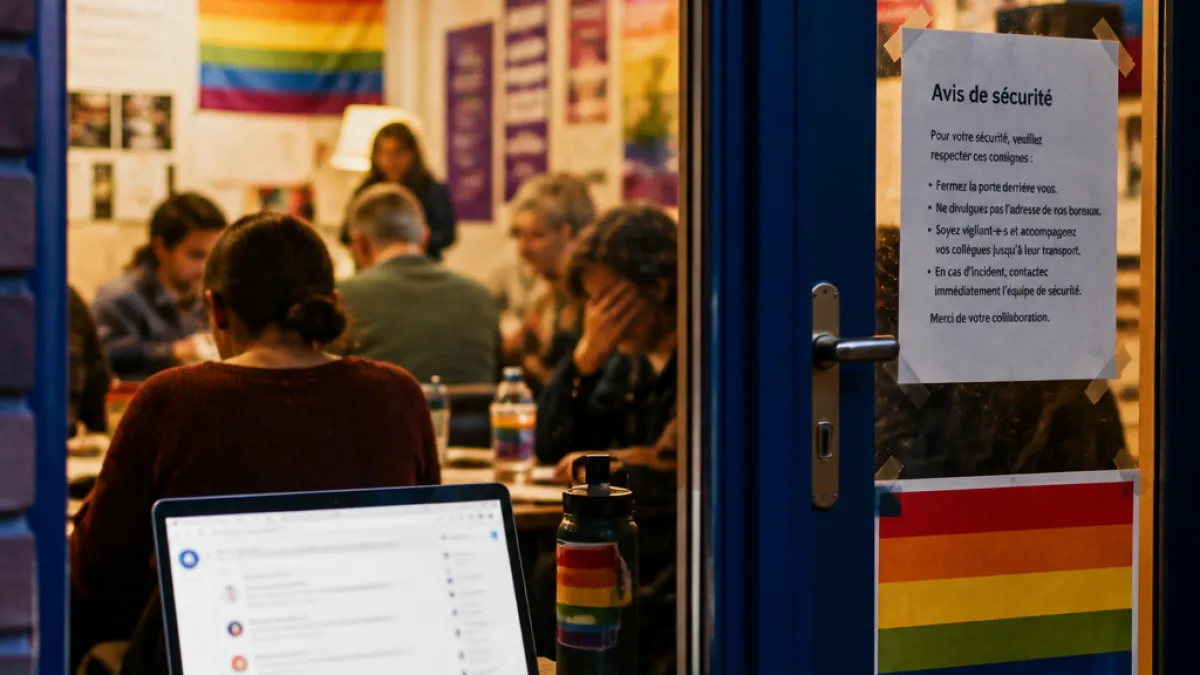
Montréal — As Pride month events unfold across Quebec, political candidates from sexual and gender-diverse backgrounds who intend to run in the upcoming provincial election are reporting a sharp increase in hateful online messages.
Party leaders and candidates express alarm
Québec solidaire has described the volume of abuse directed at its 2SLGBTQ+ candidates as of “exceptional” and “alarming” proportions, and party officials say the trend is not limited to a single political formation. The rise in homophobic and transphobic commentary is prompting concern about both the personal safety of candidates and the health of democratic participation.
Roxane Milot, president of Québec solidaire and a candidate in a Montreal riding who identifies as bisexual, said the online hostility has real consequences for representation.
“We’re concerned, and I think all candidates and party leaders will need to be careful with their rhetoric,”
Milot told reporters she has personally received hateful messages and been targeted by social media “trolls.” She said the party works closely with 2SLGBTQ+ organisations that have warned the situation in Quebec is worsening.
Impact on recruitment and participation
Milot connected the online violence directly to barriers for people from diverse backgrounds considering political life. She said political offices often find it harder to convince candidates who are queer, women or racialized to run for office because of the prospect of intense, targeted attacks online.
The issue recently erupted within Québec solidaire when one of its candidates, Vanessa Durand, withdrew after historical online posts surfaced in which she had made hateful remarks about supporters of the Parti Québécois from 2SLGBTQ+ communities. The posts were later deleted, Durand apologised and subsequently stepped down.
What this means for parties and the campaign
With the provincial election scheduled for the fall, parties are facing pressure to set clear standards for campaign rhetoric and to consider measures that protect candidates from harassment. The widespread nature of the reports suggests that the problem extends beyond single incidents and may require coordinated responses between political organisations and social-media platforms.
- Safety concerns: Candidates are reporting direct threats and abusive messages online.
- Recruitment impact: Parties warn harassment deters people from diverse backgrounds from running.
- Internal consequences: A candidate withdrawal highlighted tensions over past online conduct.
Context and next steps
Observers say online harassment against candidates from marginalised communities can undermine representative politics by narrowing who feels safe to participate. Political parties may respond by tightening codes of conduct, increasing monitoring of social media abuse, and coordinating with community organisations to offer support to targeted candidates.
For voters and civic groups, the situation raises questions about how to protect democratic norms while respecting free expression online. The growing reports from Quebec’s 2SLGBTQ+ candidates are likely to frame part of the public debate as parties prepare for the fall campaign.
| Party | Issue reported |
|---|---|
| Québec solidaire | Wave of online hate targeting 2SLGBTQ+ candidates; candidate withdrawal after past hateful posts |
| Parti Québécois | Referenced as the target of past remarks by a withdrawn candidate |
As the campaign season approaches, parties, civil-society groups and platform providers will face decisions about how to reduce harassment and encourage a more inclusive political environment. For now, sexual and gender-diverse candidates in Quebec are alerting the public to the personal and democratic costs of online hate.
Geneviève Lévesque, NEXO RADAR