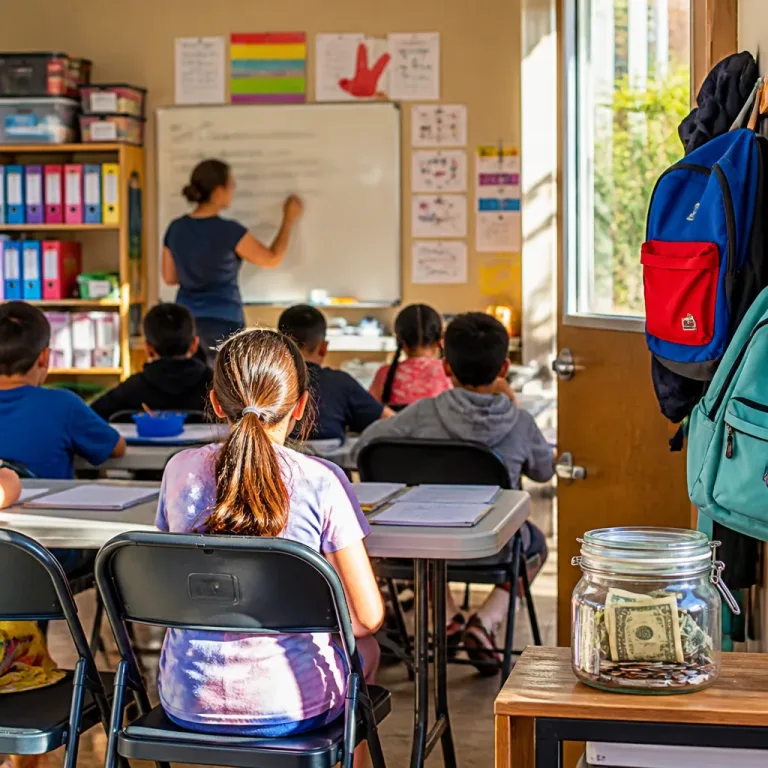
Quebec’s federation representing private schools is asking the provincial government to broaden the scope of its licences so that many private institutions can admit students who have severe learning or adjustment difficulties — a change it says would help relieve pressure on the public system.
Proposal targets gap in current licensing
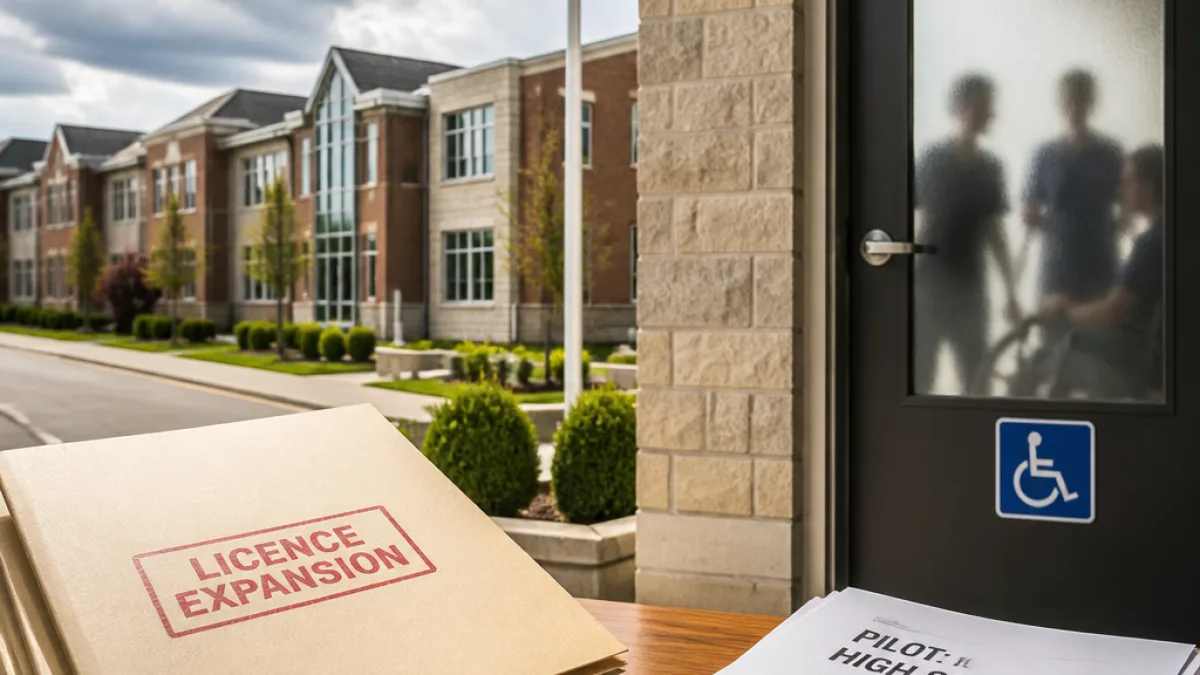
The Federation of Private Educational Institutions (FEEP) told the Ministry of Education it can take a greater role in serving pupils currently directed to public special‑education programs — but only if its members are granted a licence amendment. At present, FEEP says licences allowing services for pupils with marked needs are held by just 12 specialised private schools.
“Some people say, ‘When pupils are struggling, you send them to the public system,’ but it’s not because we want to. It’s because we have no choice,” FEEP president Vickie Viens said, according to a federation release. She wants the ministry to extend that licencing to the wider private sector so more pupils with disabilities and pronounced learning or adjustment issues can be accommodated.
“We want to highlight our commitment to reducing the burden on public schools. We want to reduce the number of pupils with significant difficulties in public schools by allowing private schools to take them in.”
Scale and scope of the change
FEEP notes that nearly 250 other private schools, whether subsidized or unsubsidized, are currently authorised only to accept so‑called “mainstream” pupils — a term the federation says it dislikes but uses to describe students who do not require intensive, personalised teaching pathways. Under current rules, private schools may make small academic adjustments but cannot enrol pupils whose programmes require semi‑specialized vocational or extensive personalised supports.
Viens suggested starting with a limited pilot: admitting students into 10 high schools that already have advantageous conditions to facilitate integration. She warned that admitting younger pupils without continuity into secondary school would not fully address the underlying challenges.
Why private schools say they can help
FEEP argues private institutions already work with students who have needs such as attention deficit hyperactivity disorder (ADHD) and autism spectrum disorder (ASD), and that a regulated expansion of services could create more pathways for pupils facing significant barriers to learning. The federation emphasises coordination with public services rather than replacing them.
- Current specialist licences: 12 private schools
- Mainstream‑only private schools: nearly 250 schools
- Proposed pilot: 10 high schools
| Item | Number |
|---|---|
| Specialist‑licensed private schools | 12 |
| Other private schools (mainstream only) | ~250 |
| Pilot schools proposed | 10 |
Public education reaction and unanswered questions
The federation frames its request as collaborative: it says private and public sectors should “work hand in hand.” But the proposal raises practical questions that remain open. If licences were broadened, how would funding and accountability be adjusted? Which students would be eligible to transfer? How would school boards coordinate complex service plans? The source material does not include responses from the Ministry of Education, school boards, teachers’ unions or parents’ groups.
Experts and advocates for inclusive education often stress that supports for pupils with significant needs involve multidisciplinary services — including specialised teachers, psychologists, therapists and tailored classroom resources — typically delivered through school boards in partnership with health and social services. Whether private institutions would be able to provide the full suite of supports, or how the province would monitor outcomes, were not addressed in FEEP’s initial statement.
Local example and rationale
FEEP pointed to Collège Saint‑Bernard in Drummondville as an example of a private school that offers targeted programming — suggesting there are models within the sector that could be expanded. The federation says it would aim its pilot at schools with factors in place to ensure smooth transitions for students moving from public special programmes.
For families and school administrators, the federation’s proposal signals a desire to spread responsibility for complex needs beyond the public system. For the Ministry of Education, the request poses regulatory and fiscal decisions that could reshape how Quebec organises support for pupils with disabilities and learning differences.
The ministry has not publicly responded to FEEP’s proposal in the source reporting. Any licence changes would require policy decisions from government officials and likely consultations with stakeholders across education and health sectors.
As the debate unfolds, parents of children with pronounced needs and administrators in both sectors will be watching for details on eligibility, funding and oversight — the elements that will determine whether such a shift can improve access to effective supports without compromising equity and quality of education.