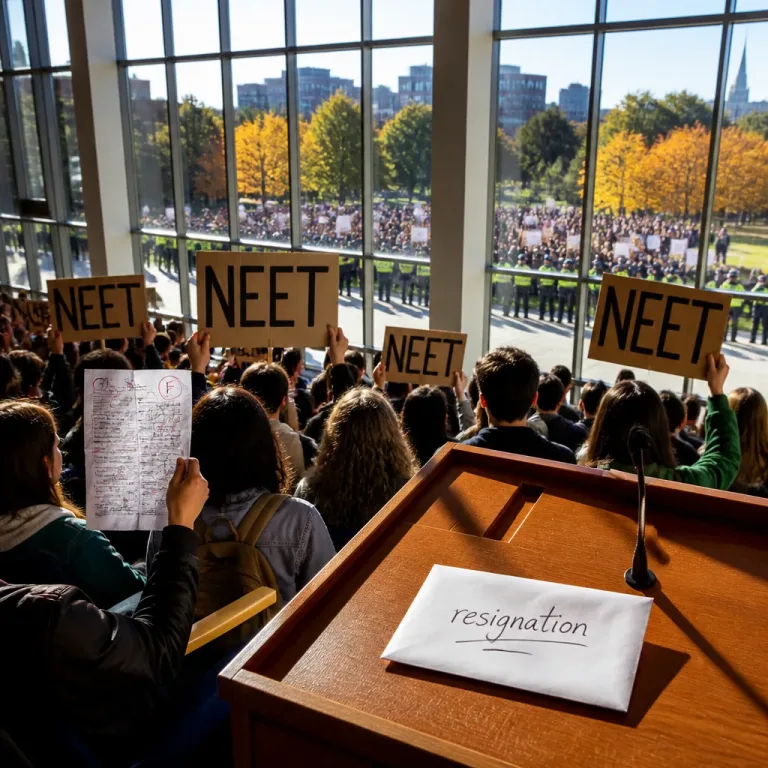
Allegations prompt questions about hiring, publishing and academic standards
The resignation of former Cambridge professor Jason Arday amid a flood of allegations — including plagiarism, academic fraud and what opponents have described as serial fabulism — has reopened heated conversations about how elite institutions make hiring decisions and how publishers verify memoirs. The controversy has drawn commentary from public intellectuals such as Columbia linguist and New York Times Opinion columnist John McWhorter, who has been an outspoken critic of some affirmative‑action practices.
McWhorter, known for his critiques of progressive campus culture, told a reporter he sees the episode through the lens of broader changes in higher education. His published commentary, including his 2023 Times piece opposing race‑based admissions policies, and his book Woke Racism, have argued for shifting the focus of preferential policies toward socioeconomic factors.
“That practice was understandable and even necessary 60 years ago. The question I have asked for some time was precisely how long it would be required to continue,” McWhorter wrote in the Times in 2023, advocating alternatives to race‑based preferences.
Observers note the Arday case raises at least three discrete but related issues: the integrity of academic scholarship and the mechanisms for detecting misconduct; how publishers vet non‑fiction memoirs that recount personal and professional histories; and the extent to which considerations of race, equity and representation intersect with standards of excellence in hiring.
- Allegations and resignation: Arday resigned after an "avalanche" of claims concerning plagiarism, alleged academic fraud and fabrications about his personal history.
- Publishing questions: Simon & Schuster made late edits to Arday's memoir and is proceeding with publication despite concerns raised about the book's accuracy.
- Public debate: Commentators such as McWhorter have framed the episode as symptomatic of shifting priorities in higher education, reigniting arguments about merit, representation and how institutions should balance them.
What the published record shows
Available reporting indicates the following facts without attribution to any single viewpoint:
| Subject | Detail |
|---|---|
| Professor involved | Jason Arday, formerly a professor in Cambridge’s sociology of education faculty |
| Accusations | Claims of plagiarism, academic fraud and serial fabulism leading to his resignation |
| Publisher action | Simon & Schuster reportedly made last‑minute edits to Arday’s memoir but is continuing with publication |
| Commentator | John McWhorter, Columbia linguist and NYT Opinion columnist, has criticised race‑based admissions and weighed in on the implications |
Local resonance in Cambridge
Although the events centre on Cambridge’s university scene abroad, the story reverberates for residents in Cambridge, Ont., where questions about institutional transparency, hiring practices and academic credibility matter to students, parents and educators alike. Community members who follow higher‑education governance will be watching for how the university and the publisher respond, and for any changes to policies intended to safeguard scholarship and hiring standards.
Analysts say the case may spur universities to review their hiring vetting and oversight processes, and to clarify how they balance objectives such as diversity, equity and excellence. Publishers, for their part, may face renewed pressure to tighten fact‑checking and to be frank with readers when contested memoirs reach print.
For now, facts that are publicly documented are limited to the resignation, the nature of the allegations, the publisher’s edits and the public commentary — including McWhorter’s wider critique of race‑based preferences in admissions and his suggestion that socioeconomic measures could be a fairer alternative.
As the situation develops, Cambridge readers should expect further reporting that focusses on institutional responses, the outcomes of any formal investigations, and any editorial disclosures tied to the memoir’s publication.