
Saskatchewan legal aid organisations are sounding an alarm about growing barriers to affordable legal representation, saying community clinics are overwhelmed and that the justice system is increasingly skewed against people who cannot hire private counsel.
Demand surges as cost pressures bite
Community Legal Assistance Services for Saskatoon Inner City (CLASSIC) and other service providers report a steady rise in demand for legal help across areas such as income assistance, housing, refugee and criminal law. Provincial legal aid handled nearly 18,000 new files last year and CLASSIC recorded its highest annual caseload on record.
Those numbers come as Saskatchewan reports a high level of crime. According to Statistics Canada, the province’s Crime Severity Index last year was almost double the national average, and the latest RCMP report says the trend is “continuing to increase.” Service providers say that combination — higher crime and rising living costs — is creating a gap between the legal help people need and what they can afford.
From front-line help to appeals work
Advocates say the nature of the work has shifted. Where community clinics once focused on everyday representation, an increasing share of their time is taken up by appeals and judicial reviews of administrative decisions.
“It’s a canyon now between the services that exist in Saskatchewan and who can afford to retain a private lawyer,”
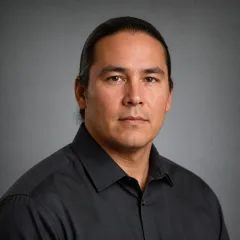
said Chantelle Johnson, executive director of CLASSIC. She told reporters that in her 14 years with the group she has seen a decline in the application of procedural fairness by decision-makers, and that much of CLASSIC’s current work involves challenging administrative decisions through the courts.
Another legal counsel, Grace Gardner of the John Howard Society, described recurring communication problems between agencies and clients that have led to missed deadlines and lost opportunities for help.
“There’s a bunch of communication errors between us and our clients,”
Gardner said, noting that messages are sometimes not received in time for matters with tight timelines.
What providers are seeing on the ground
Clinic directors and legal counsel described several patterns that are raising concern:
- Increased caseloads and record demand at community clinics.
- More cases progressing to appeals and judicial review rather than early resolution.
- Gaps in communication and administrative processes that can deny timely access to legal rights.
Those patterns, the advocates warn, point to broader systemic issues rather than isolated incidents.
Services and areas of law under pressure
CLASSIC and similar groups continue to handle a broad range of legal matters, but the shift toward appeals work reflects a change in how legal needs present themselves.
| Service area | Examples |
|---|---|
| Income assistance | Challenges to benefits decisions, appeals |
| Housing law | Evictions, tenancy disputes |
| Criminal law | Representation, increased referrals to appeal work |
| Refugee/immigration law | Applications, hearings and appeals |
Why this matters to Saskatchewan residents
Access to legal representation is a core element of procedural fairness and the rule of law. Advocates argue that when administrative bodies and governments fail to follow the rules that govern fair decision-making, the only remedy left for many people is to seek judicial review — an expensive, time-consuming process that community clinics are increasingly being forced to shoulder.
For residents who cannot afford private lawyers, legal aid and community clinics are often the only recourse. When those services are stretched, the result can be unresolved disputes, lost benefits, wrongful evictions or convictions that are more difficult to challenge.
What comes next
Legal aid organisations are urging attention from policymakers and the public. They say the trend toward more appeals and judicial review work is a symptom of a larger problem: administrative decision-makers not consistently applying procedural rules. Clinic leaders say that without interventions to shore up access to representation and to ensure decision-making follows legal standards, the pressure on community services will continue to grow.
Until changes are made, Saskatchewanians who cannot afford private counsel will continue to rely on a system that advocates describe as increasingly inadequate for the needs of the province’s most vulnerable residents.