Lunenburg is this week reflecting on three decades since Old Town Lunenburg was inscribed on the UNESCO World Heritage list — a distinction town officials say brings international renown even as they look for ways to better leverage the designation.
Local celebration, global recognition
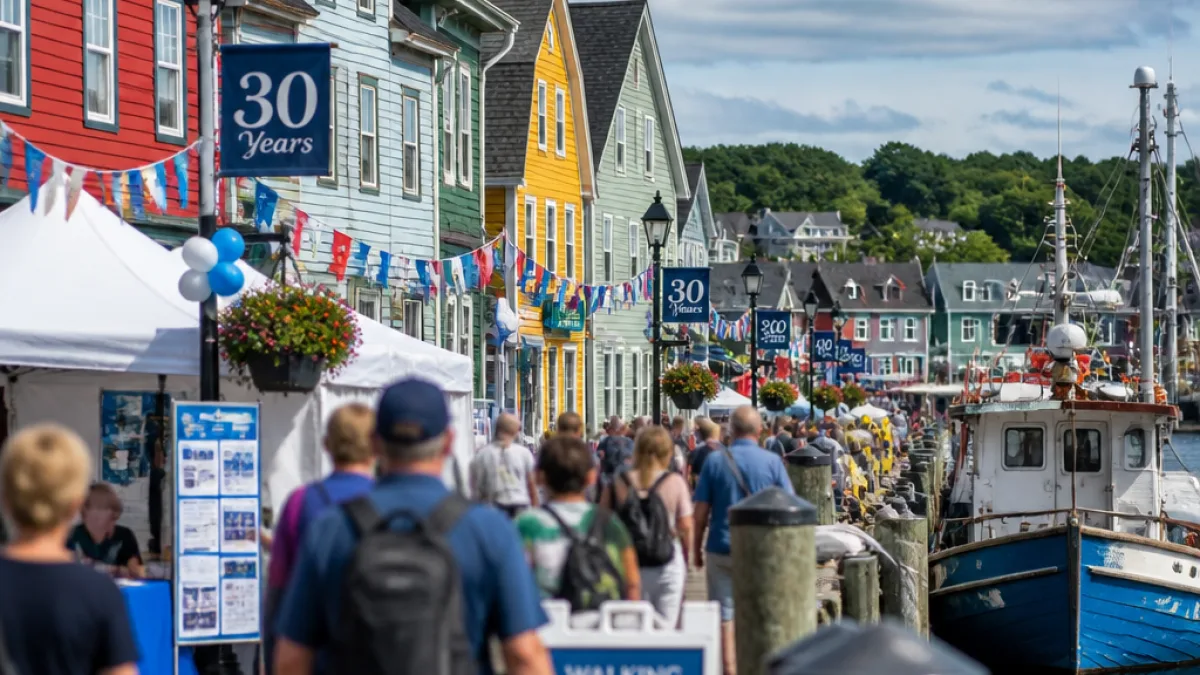
The seaside town on Nova Scotia’s south shore held a commemorative event that combined walking tours, music and information booths to mark the 30th anniversary of its inscription. The timing also coincided with the 50th anniversary of Canada ratifying the UNESCO World Heritage Convention, an alignment celebrated by heritage groups and local officials.
Mayor Jamie Myra told attendees he was proud Old Town Lunenburg has carried the designation for 30 years, noting people across the country often recognise the town because of its UNESCO status.
"I'm amazed when I go to conferences around the country. Most people have heard of Lunenburg because of the UNESCO designation," Myra said during the anniversary celebrations.
The National Trust for Canada, a charity that works to protect historic places, organised a free public event in Lunenburg to mark both anniversaries. Its chief executive framed the milestone as an opportunity to connect Canadians with historic places.
"This anniversary is an opportunity to celebrate, to invite Canadians of all generations to experience these places, interact with their stories and see themselves as part of their future," said Patricia Kell, CEO of the National Trust for Canada.
What makes Old Town Lunenburg distinct
Established in 1753, Lunenburg is recognised for a preserved town layout and an active working waterfront. The old town contains roughly 400 buildings, about 70 per cent of which date from the 18th and 19th centuries — a concentration of historic fabric that contributed to its World Heritage listing.
Being part of the UNESCO list places Lunenburg among 1,248 sites worldwide that have been inscribed, alongside globally familiar names such as the Taj Mahal and the Great Wall of China. Locally, town officials and heritage advocates say the designation is a draw for visitors from across Canada and overseas.
| Item | Figure |
|---|---|
| Year town established | 1753 |
| Buildings in Old Town | 400 |
| Buildings from 18th/19th centuries | 70% |
| UNESCO World Heritage sites globally | 1,248 |
Promotion and preservation: local priorities
Despite the international profile, Mayor Myra acknowledged the town has not fully capitalised on the designation as a marketing tool. He suggested more could be done to promote Lunenburg’s UNESCO status to potential visitors and to integrate that recognition into local tourism strategy.
Those calls reflect a broader tension for many heritage communities: how to balance tourism interest with conservation priorities and residents’ quality of life. The National Trust framed the anniversary as a moment to invite Canadians to engage with historic places and their stories.
- Public events during the anniversary included walking tours, music and information booths.
- The designation continues to attract international visitors to Lunenburg’s waterfront and downtown streetscapes.
- Local officials say there is room for stronger promotion of the UNESCO status to benefit tourism.
Community perspective
The celebration in Lunenburg drew both residents and visitors. For many local businesses and tourism operators, the UNESCO label remains a valuable asset — not only for attracting visitors but also for shaping a local identity tied to maritime history and built heritage.
As Lunenburg moves beyond the anniversary, conversations among municipal leaders, heritage groups and tourism stakeholders will determine how the town preserves the character that earned it recognition while promoting sustainable visitation and community benefit.
For residents and visitors alike, the milestone provides a chance to reflect on the town’s past and to consider what role UNESCO recognition should play in its future.