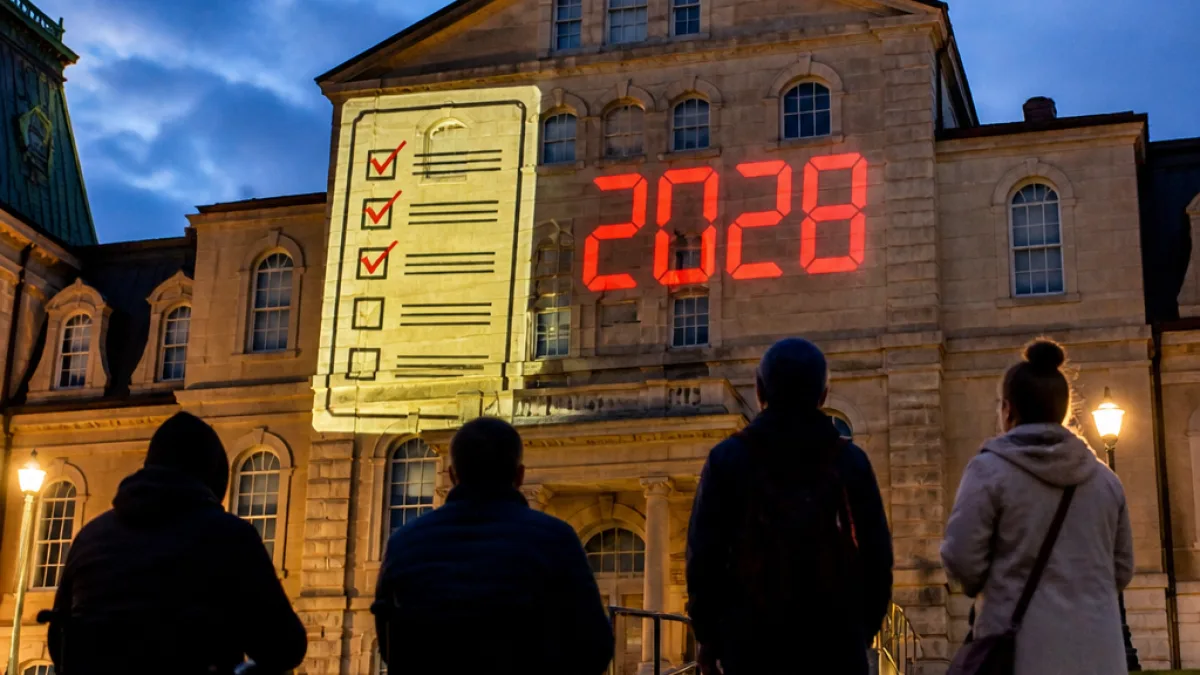
An independent review released this week paints a stark picture of progress in Nova Scotia’s effort to move people with disabilities out of institutions and into community-based homes by 2028.
Expert says momentum is insufficient
Michael Prince, the expert appointed to independently monitor the province’s compliance with a human rights remedy, concluded that while there have been "some points of progress," overall work this year shows a worrying lack of urgency and transparency.
"some points of progress"
The remedy stems from an Appeal Court decision in 2021 in which the Disability Rights Coalition successfully argued the province had discriminated systemically against people with disabilities seeking housing and supports in the community. The board of inquiry that followed ordered a suite of reforms intended to redress those failings.
Mixed tallies on completed requirements
Official provincial reporting in June said the government had completed 16 of 34 requirements. Prince’s independent assessment, however, found a narrower set of accomplishments: just seven requirements he considers fully completed.
| Source | Requirements marked completed |
|---|---|
| Provincial report (June) | 16 of 34 |
| Michael Prince (independent assessment) | 7 fully completed |
The discrepancy highlights differing interpretations about what constitutes completion and how progress should be measured and reported.
Lives at stake, accountability demanded
The original complaints in the human rights case were brought by three people who were medically discharged yet continued to live in a locked psychiatric ward for years. The board’s remedy was intended to ensure people in similar circumstances can access community housing and supports that respect their rights and autonomy.
Advocates and families say the stakes are high: the timeline to move people into community-based settings is finite, and delays entrenched in bureaucracy or inadequate planning threaten to leave people in institutional settings longer than necessary.
Transparency and speed are central concerns
Prince’s report repeatedly flagged a lack of transparency about how the province is tracking its work, as well as insufficient acceleration on several priority items. The expert was appointed because the scale of reform required both independent oversight and clear public reporting.
- Legal remedy requires deinstitutionalization and community housing by 2028.
- Provincial report says 16 of 34 items completed; independent monitor finds seven fully met.
- Independent review criticizes pace, transparency and tangible traction on remaining items.
For people with disabilities and their supporters, the clock is not just a bureaucratic deadline; it marks years of life plans, supports and safety that depend on timely implementation. Delays can mean prolonged institutional stays, limited choice in housing and disruption to access to community services.
What comes next
The provincial government will need to respond to Prince’s assessment and to demonstrate concrete, measurable steps to meet outstanding requirements before 2028. That will likely involve clearer timelines, candid public reporting, and accelerated investment in housing and community-based supports.
Officials have previously said work is underway on a number of fronts. The divergence between the province’s self-reported progress and Prince’s independent tally suggests further dialogue is needed on definitions of completion and the benchmarks used to judge reform.
The independent monitor’s role is to provide citizens and courts with an impartial measure of how the government is meeting its obligations. As the deadline approaches, the province faces mounting pressure to translate legal wins into lived improvements for Nova Scotians with disabilities.
Reporting from Halifax. This account draws on the independent assessment of Michael Prince and the province’s own June report on remedy implementation.