Marine scientists are raising alarms over fast and accelerating warming in the Adriatic Sea, saying sustained temperature rises are already changing the composition of marine life and threatening coastal ecosystems and economies.
Warming trends and biological shifts
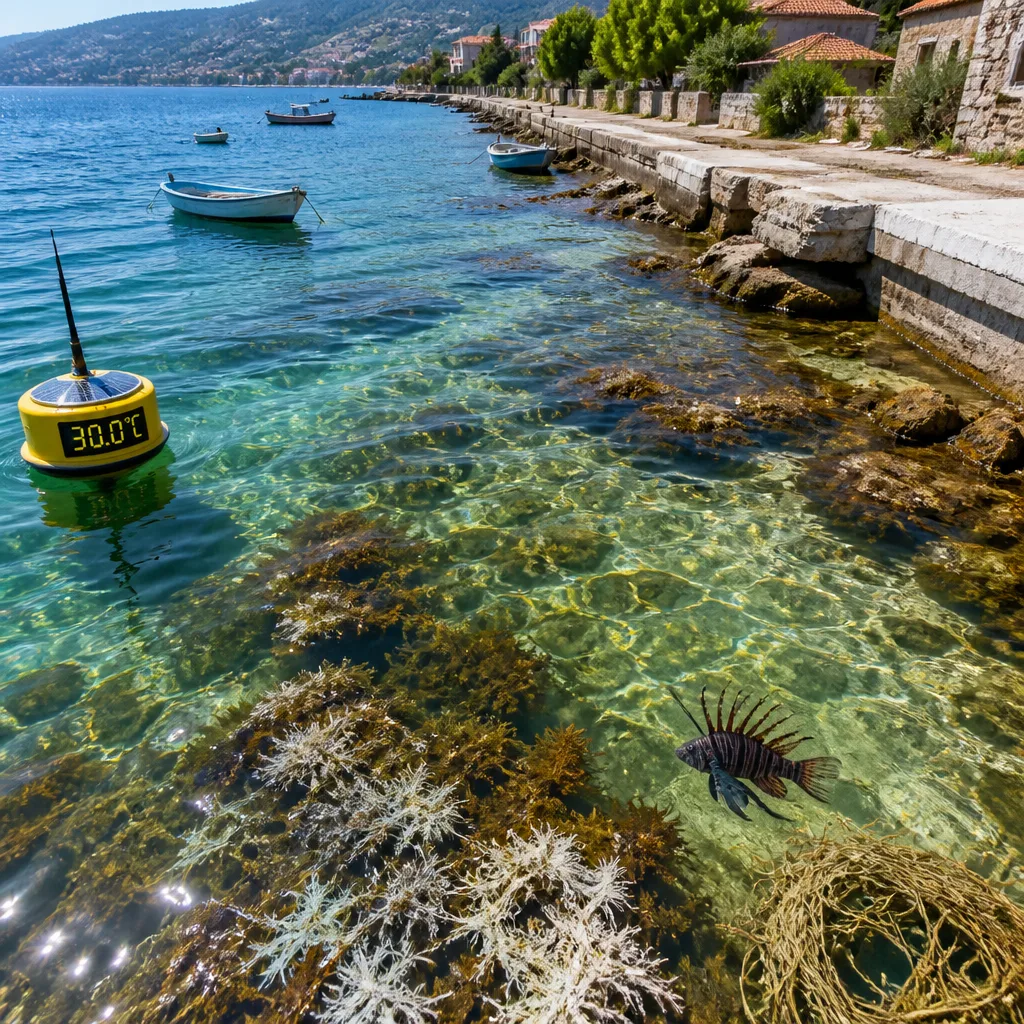
Recent observations show sea-surface temperatures in parts of the Adriatic have approached 30 °C during heatwaves, a level that many locals have noticed while swimming. Researchers tracking multi-decadal records report an average increase of about 1.2 °C since 1985, with an especially rapid uptick since 2011. In the northern Adriatic, some institutes estimate mean annual temperatures have climbed by roughly 2.7 °C over the past decade.
Those physical changes are already visible beneath the surface. Teams monitoring coastal waters have documented the arrival and establishment of non-native species, such as the lionfish and comb jelly, organisms known to disrupt food webs in other parts of the Mediterranean.
"Invasive species are often more aggressive than native ones and can significantly alter the balance of the marine ecosystem,"
The observation came from a marine specialist at Aquarium Pula, cited in regional reporting, underscoring concerns that newcomers compete with indigenous fish and shellfish for food and habitat, or act as new predators.
Compounding pressures and potential impacts
Experts warn that warming is only one element of a broader stress complex. Pollution from wastewater, storm runoff, chemicals and contaminated rivers adds pressure to already vulnerable coastal habitats. Warmer sea temperatures can also accelerate the growth of harmful bacteria and lead to the loss of shallow habitats that many species rely on for breeding and feeding.
Researchers say the pace of warming in the Adriatic is among the fastest observed in European marine waters. The combination of rising temperatures and human-driven pollution raises long-term concerns for fisheries, aquaculture, tourism and shoreline communities that depend on healthy coastal ecosystems.
- Temperature extremes: pockets of the sea have reached nearly 30 °C during recent heatwaves.
- Decadal rise: about 1.2 °C increase since 1985 across the region.
- Northern Adriatic: studies report annual averages in some areas up by approximately 2.7 °C over the last decade.
- Biological consequences: new invasive species sightings (lionfish, comb jelly) and habitat degradation.
| Metric | Reported change |
|---|---|
| Since 1985 (regional average) | +1.2 °C |
| Last decade (northern Adriatic) | ~+2.7 °C |
| Recent heat peak | ~30 °C in parts |
Outlook and monitoring
Long-term monitoring by university and research institutes in the region has documented the warming trend and its acceleration. Scientists caution that more frequent extreme weather events — including marine heatwaves — will likely compound ecological stress, creating more opportunities for invasive species to establish and for harmful algal blooms and bacterial growth to intensify.
Authorities and researchers are sounding the need for strengthened surveillance of coastal waters, improved pollution controls and cross-border cooperation to manage biological invasions and protect fisheries and tourism. For coastal communities, the changes translate into potential economic effects and increased management costs as ecosystems shift and traditional fisheries face new competitors and pests.
While swimmers and holidaymakers may welcome warm water in the short term, the scientific picture painted by regional monitoring programmes is one of accelerating change with complex, long-lasting consequences for marine biodiversity and human livelihoods along the Adriatic coast.