
Formula One is being steered increasingly by commercial aims rather than purely sporting ones, McLaren driver Lando Norris told journalists ahead of the Hungarian Grand Prix, warning that money-driven choices are reshaping technical rules and the spectacle for fans.
Manufacturers, regulations and the commercial calculus
Norris said changes to power unit rules and other regulations were made in large part to entice manufacturers into the championship. He pointed to recent entries by automotive companies as evidence that rule-makers weighed business attraction alongside sporting considerations.
"It's a business,"
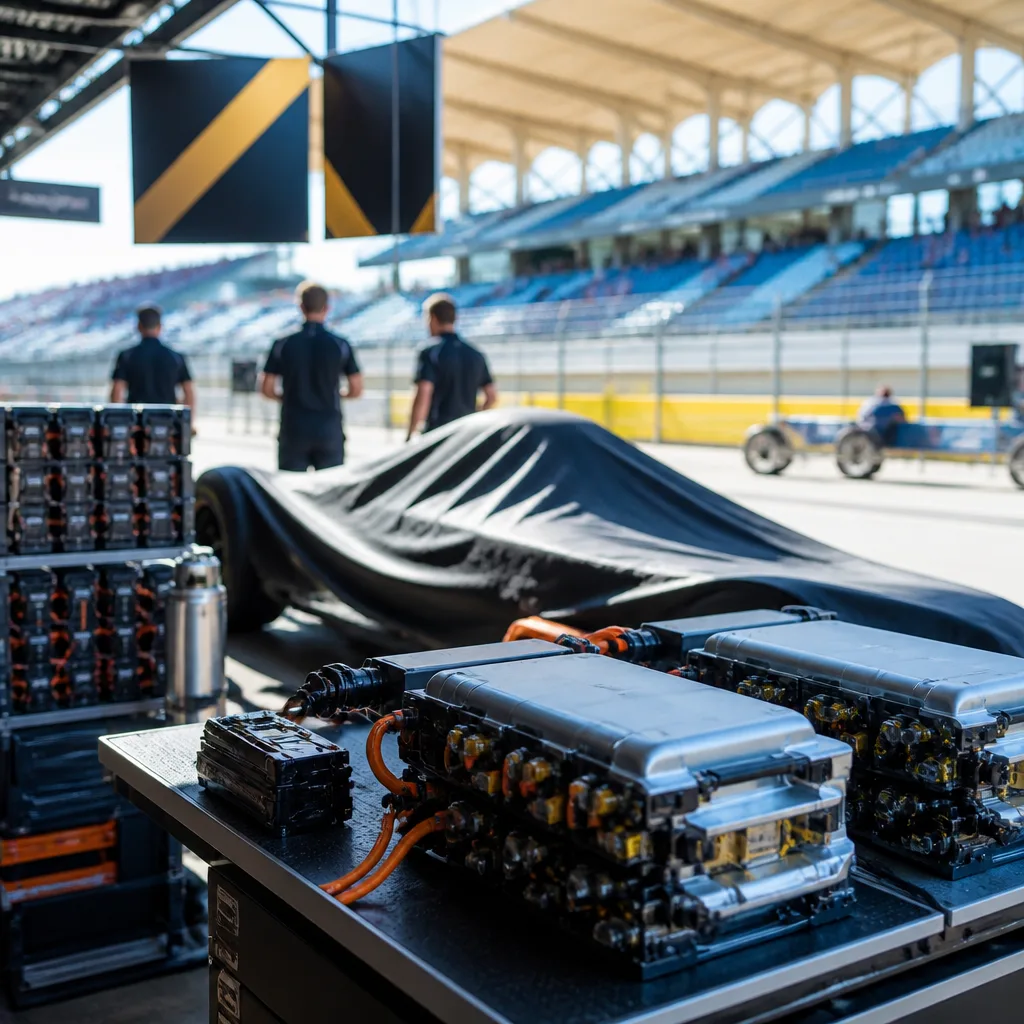
That commercial orientation, he added, has produced technical shifts – notably a heavier emphasis on electrification within the power unit mix – that have altered car performance in ways some drivers find unwelcome. Norris argued the balance between internal combustion and electrical assistance has been moved toward parity partly because it made joining more attractive for certain entrants.
What has been changed — and what’s next
While Norris praised Formula One's overall appeal, he said the sport could be improved if decision-makers prioritised racing quality over the revenue calculus. He also referenced a pending regulatory adjustment intended to roll back the electrical contribution to power units for the 2027 configuration.
| Issue | Reported detail |
|---|---|
| Manufacturer entry | New OEMs have been encouraged to enter under recent rules |
| Power unit mix | Increased electrical contribution to near-parity with combustion |
| 2027 tweak | Rules will be adjusted to reduce electrical share |
Fans, “Drive to Survive” and audience division
Norris also noted a growing divide among followers: long-standing fans who watched the championship before the Netflix series Drive to Survive, and newer viewers drawn to the sport after the show increased F1’s global profile. He suggested that commercial strategies aimed at broadening appeal have at times overridden decisions that would make the on-track product better for purists.
- Commercial pull: Teams and promoters prioritise rules that attract investment and new manufacturers.
- Sporting pushback: Drivers express concern that rule changes have compromised car performance and racing purity.
- Regulatory response: The governing framework is scheduled to be adjusted for 2027 to alter the electrical contribution.
Business risks and consequences
The tension Norris described reflects a broader commercial dilemma for sports: how to grow revenues and welcome corporate investment without diluting the competitive product that initially attracted fans. For Formula One, the stakes include team budgets, manufacturer partnerships and broadcast audiences — each of which feeds league revenue and long-term viability.
Liberty Media’s stewardship of the sport, and its strategic decisions around content and promotion, have increased F1’s global footprint and income streams. But Norris’ comments underscore an internal debate about whether those gains come at a cost to the essence of the competition.
As regulators prepare a mid-term course correction to the power unit rules, teams, drivers and rights-holders will monitor how changes affect lap times, spectacle and the business case for new entrants. The outcome will shape both the technical landscape of cars on track and the commercial architecture that underpins the championship.
Whatever the final balance, Norris’ remarks put a spotlight on an enduring question for modern sport: can organisers reconcile commercial expansion with preserving the on-field product that drives fan loyalty and athlete engagement?