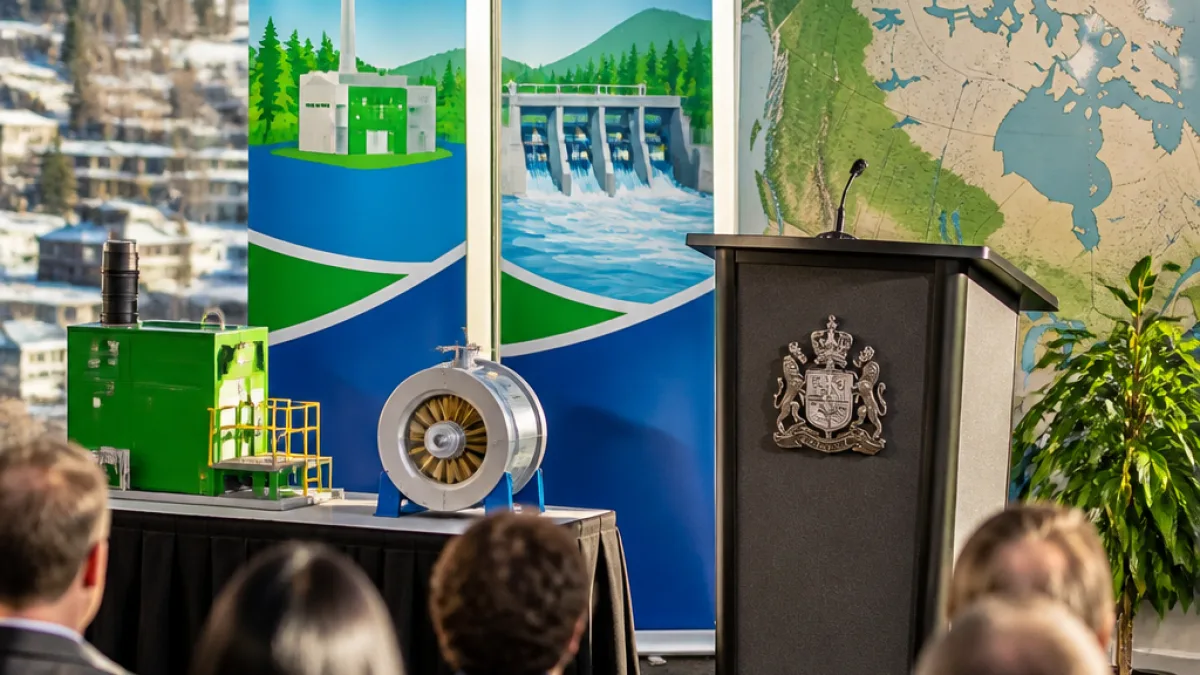
WHITEHORSE — The federal government is directing nearly $7 million toward eight clean-energy projects across Canada’s territories, Environment Minister Julie Dabrusin announced Wednesday at a press conference in Whitehorse.
Targeting northern energy resilience
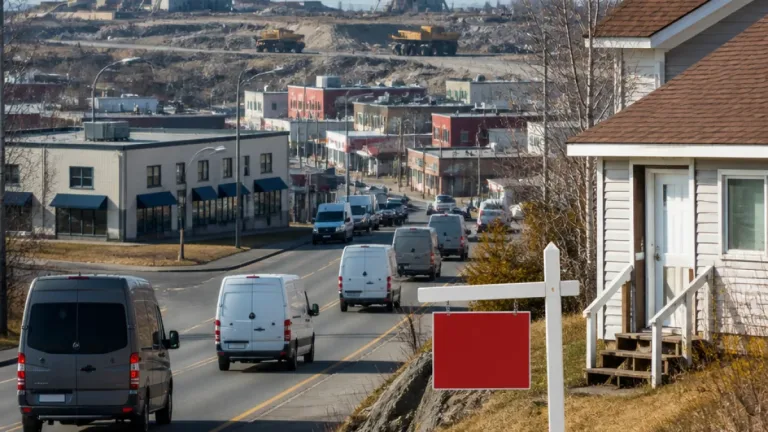
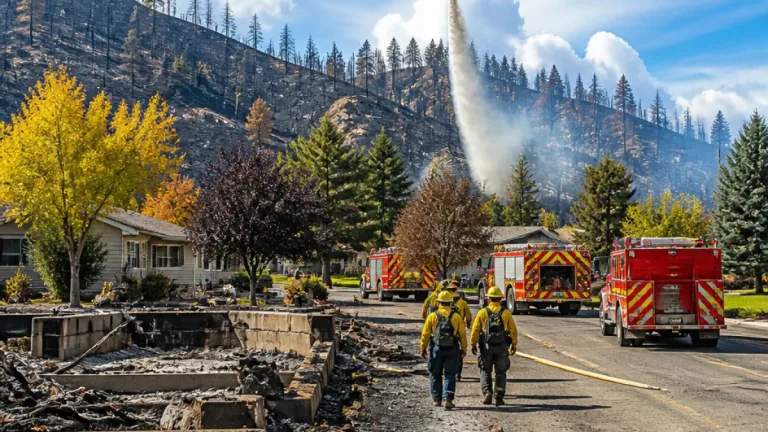
Ottawa said the investments are intended to shore up electricity systems in the North, lower reliance on fossil fuels and support economic growth in northern communities. The announcement comes after a year in which the North experienced service interruptions, lengthy restoration times and stressed electrical grids.
At the Whitehorse event, Dabrusin framed the funding as a move to create more “sustainable communities and a lower cost of living.” She added that investing now in cleaner, more reliable energy systems will help prepare communities for future challenges.
“By investing now in clean, reliable energy, we can all ensure that future generations inherit communities that are ready to meet the challenges ahead,”
What Yukon will receive
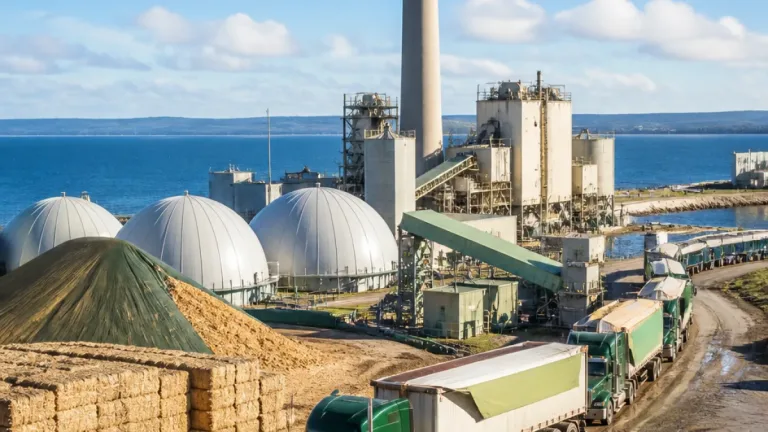
The Yukon’s portion of the federal money includes nearly $2.9 million earmarked for two main initiatives: a biomass feasibility study for downtown Whitehorse and research led by Yukon University on renewable generation projects. The studies aim to assess local options for low-carbon energy sources and how they can integrate with existing infrastructure.
Officials say the projects should help families, businesses and municipal services access cleaner power and reduce operating costs tied to imported diesel and other fossil fuels.
Funding across the territories
The announcement covers investments in the Yukon, the Northwest Territories and Nunavut. The Northwest Territories will receive funding for a turbine project in the Mackenzie River; the sum identified in federal materials is $766,090 for that project. Details on specific Nunavut projects were included in the broader federal release but individual Yukon and N.W.T. allocations were highlighted at the Whitehorse briefing.
| Territory | Highlighted funding / project |
|---|---|
| Yukon | Nearly $2.9M — biomass feasibility study (downtown Whitehorse) and Yukon University-led renewable generation research |
| Northwest Territories | $766,090 — turbine project on the Mackenzie River |
| Nunavut | Portion of the nearly $7M across eight projects (projects described in federal release) |
Why this matters to Yukoners
Yukon communities have been grappling with both the rising cost of imported fuels and the operational limits of isolated grids. The Whitehorse biomass feasibility study could identify a locally sourced, lower-carbon option for heat and possibly power, especially in denser service areas like downtown Whitehorse. Yukon University’s research on renewable generation is intended to outline how intermittent or distributed resources could integrate with existing supply and reduce pressure on the grid.
Practical outcomes supporters point to include lower household energy bills over time, fewer greenhouse-gas emissions and improved reliability for critical services that depend on steady power.
- Immediate focus: feasibility and pilot-stage projects to map technical and economic viability.
- Medium-term goal: lower fossil-fuel dependence for communities and commercial operations.
- Long-term objective: stronger, more resilient local electricity systems and potential economic benefits from new green-energy activity.
Context and next steps
Federal officials described the investment as part of broader efforts to support northern energy transitions and community resilience. The projects are largely at the planning, feasibility or pilot stage, so timelines for construction or provincial-territorial rollout were not announced at the Whitehorse event.
Local stakeholders — including municipal governments, Yukon University researchers and Indigenous organisations that engage on energy planning — will be central to how studies translate into concrete projects. Funding agreements and project timelines are expected to be detailed as proponents move from feasibility studies to implementation planning.
As details on each project are released, Yukoners can expect further updates about how specific initiatives might affect service reliability, heating options and electricity costs in their communities. For now, the federal announcement signals a targeted push to address the North’s energy vulnerabilities and to explore cleaner alternatives within territory boundaries.
— Reporting from Whitehorse