The jury convened for a coroner's inquest into the death of a 37-year-old man at the Whitehorse Correctional Centre has issued seven recommendations aimed at reducing the risk of suicide and self-harm in the territory's only adult jail.
Jury findings and focus
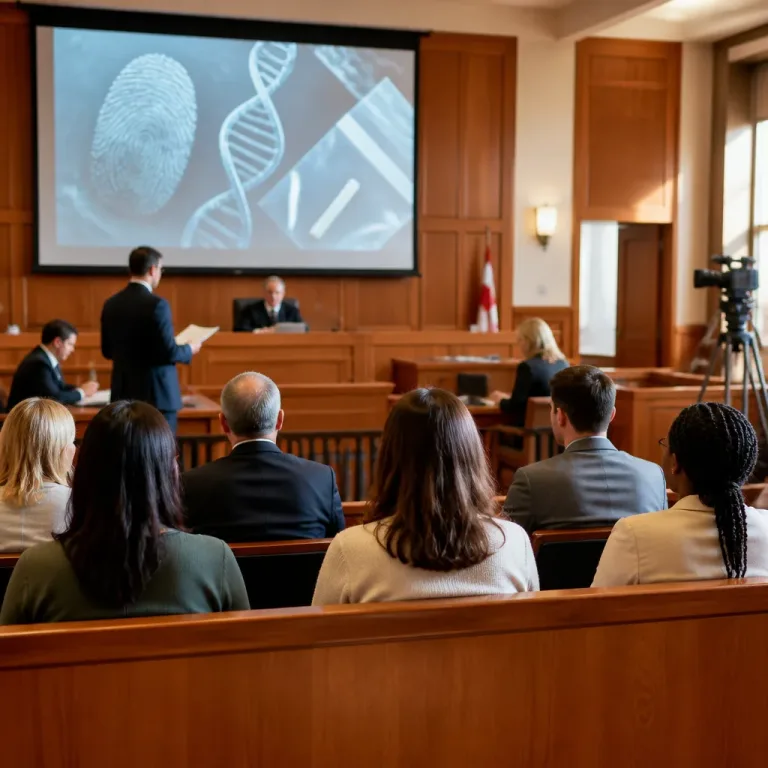
The recommendations followed a week-long inquest that examined the circumstances surrounding the death of Manui Karl Roux, a French citizen who died by suicide while detained at the facility in December 2024. Under the Yukon Coroners Act, an inquest is required when a person dies in custody. The process seeks to establish how, when and why a death occurred and to identify measures to prevent similar deaths in future.
The six-member jury heard evidence from 17 witnesses and determined Roux died on Dec. 23, 2024, sometime between 4:42 a.m. and 5:25 a.m., from asphyxia. The jury’s recommendations were directed at the Whitehorse Correctional Centre (WCC), signalling a focus on changes to local practice and facility safety.
Recommendations target training, supports and cell fixtures
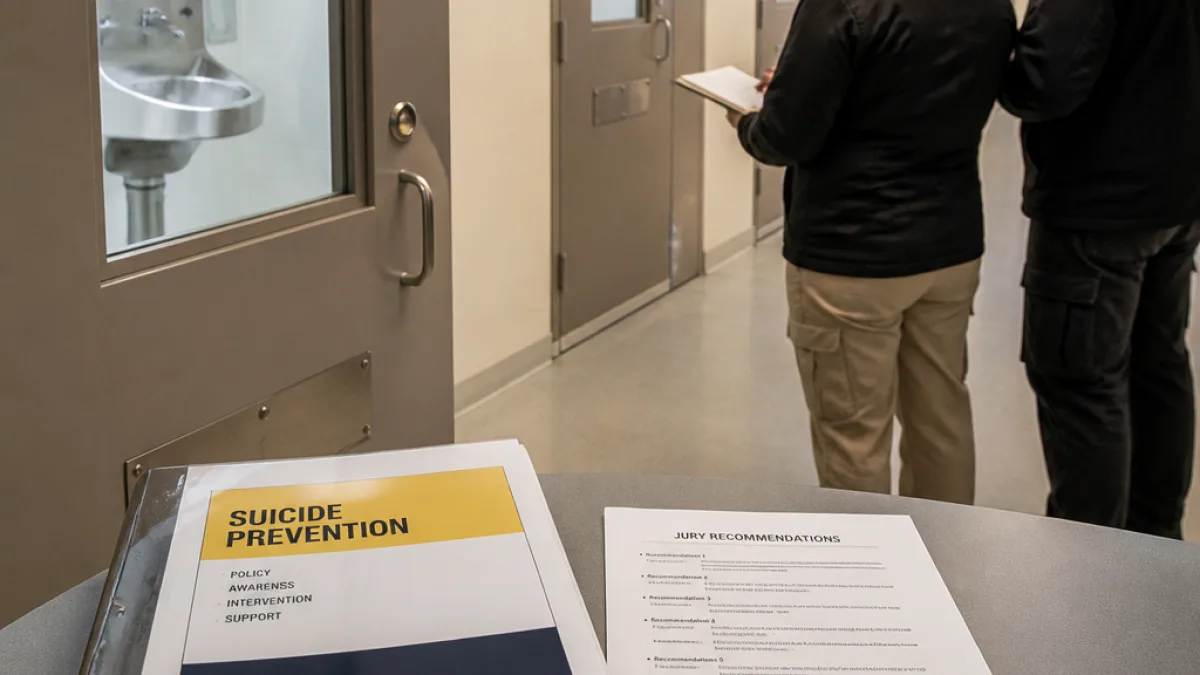
During the inquest, jurors and witnesses discussed gaps and opportunities in staff training, mental-health supports and the physical environment of cells. The jury explicitly called for improvements that fall into three main areas:
- Staff training: Require correctional officers and supervisors to complete mental-health first aid and suicide-intervention training within 90 days.
- Enhanced supports: Update the jail’s suicide-prevention policy, increase bilingual supports, and hire a full-time counsellor.
- Environmental safety: Modify cell sinks and fixtures to mitigate means of self-harm or suicide.
Those measures echo themes raised repeatedly in testimony: the need for timely, appropriate responses to mental-health crises, evidence-informed policies and physical changes to reduce opportunities for self-harm.
| Known recommendations (selected) | Purpose |
|---|---|
| Mandatory mental-health first aid and suicide-intervention training within 90 days | Improve staff ability to identify and respond to at-risk inmates |
| Update the WCC suicide-prevention policy | Ensure clear, current guidance for prevention and response |
| Hire a full-time counsellor | Expand on-site mental-health services for inmates |
| Modify sinks in cells | Reduce potential means of self-harm |
What the jury heard
Court documents and testimony outlined Roux’s arrest on Nov. 21, 2024, and the events that followed his detention. Witnesses included jail staff and medical professionals who provided accounts of the care delivered and the operational practices in place at the time. The inquest’s fact-finding role did not assign criminal blame; rather, jurors framed their recommendations to prevent future deaths.
“Under the Yukon Coroners Act, an inquest must be held any time an individual dies while detained or in the custody of a correctional centre,”
The inquest made plain that the jury was considering both procedural and systemic factors: training timelines, language and cultural supports, clinical services and physical design elements all featured in deliberations.
Local implications and next steps
The jury’s recommendations are directed at the WCC. Implementation would involve the territorial government and correctional administrators, who will need to consider funding, staffing and operational changes. Some recommendations — such as training requirements — could be acted on relatively quickly if resources and courses are available. Others, like hiring a full-time counsellor or modifying cell fixtures, require budget decisions and procurement processes.
For Whitehorse residents, the inquest underscores persistent questions about how the city and territory care for people in custody, how corrections staff are supported to manage mental-health crises, and how institutions update facilities to reduce risk. The recommendations provide a roadmap for change, but their impact will depend on follow-through by officials responsible for the correctional system.
The coroner’s office and the territory will determine the formal response to the jury’s recommendations. The inquest record and the jury’s findings are now part of the public record and are likely to shape discussion about correctional practice in Yukon in the months ahead.