Long licence sought as territory braces for rising electricity demand
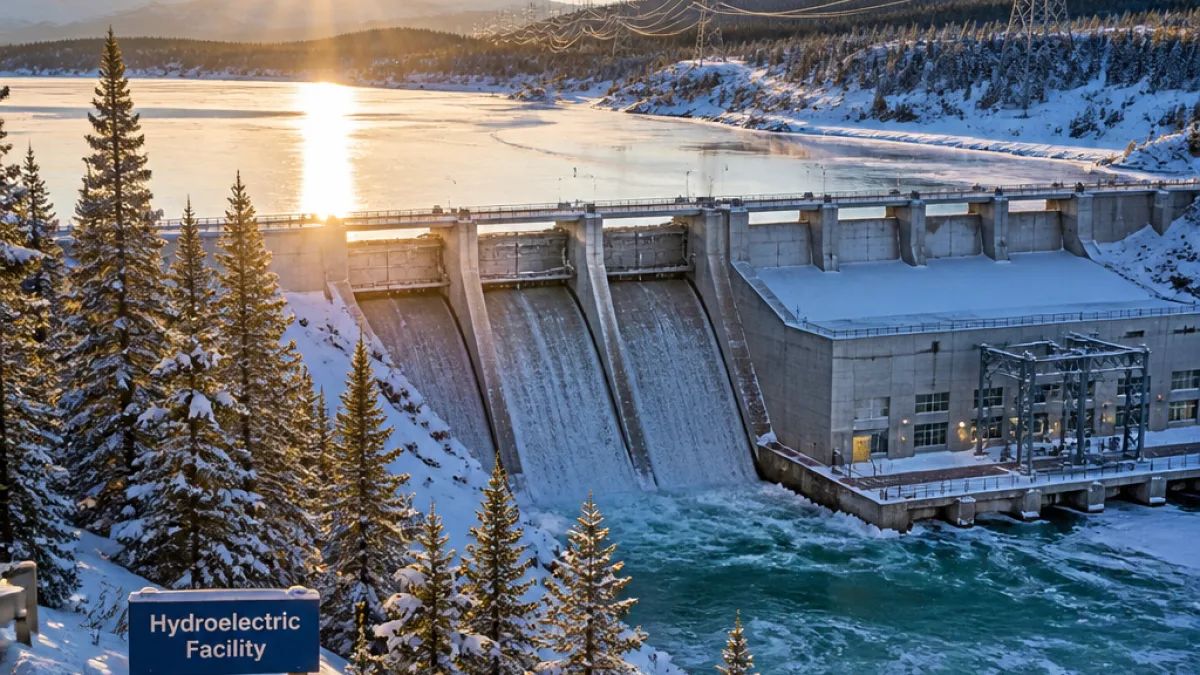
Yukon Energy has formally applied for a 25‑year renewal of the water‑use licence that covers the Aishihik hydroelectric facility, warning regulators that the plant is central to keeping the territory’s electricity grid stable as Yukoners increasingly electrify heating and transportation.
The filing, submitted to the Yukon Environmental and Socio‑economic Assessment Board on July 31, said the Aishihik station provides 37 megawatts of dependable winter capacity — a figure Yukon Energy estimates supplies roughly 40 per cent of the territory’s peak winter power.
In its application the Crown corporation outlined the consequences of losing the facility’s contribution to the grid. It said replacing Aishihik would require additional thermal generation, which it estimated would add more than $30 million in annual fuel costs and about 60 kilotons of greenhouse‑gas emissions.
Why Aishihik matters to Yukon’s energy future
Yukon Energy described Aishihik as the system’s only multi‑year energy storage facility: its ability to carry water between seasons helps the utility meet winter peaks without burning fossil fuels. The corporation framed relicensing as a necessary step to maintain reliability while the territory modernizes heating and transportation toward electrification.
The company also applied for a new Fisheries Act authorization to address impacts on fish habitat linked to how water levels are managed at Aishihik and Canyon lakes. The application signals the start of a lengthy assessment and regulatory process, as the current licence expires in December 2027.
| Item | Detail |
|---|---|
| Dependable winter capacity | 37 MW |
| Share of peak winter power | ~40% |
| Requested licence term | 25 years (to 2053) |
| Current licence expiry | December 2027 |
Partnerships and the Äshèyi Agreements
Yukon Energy, the Yukon government and Champagne and Aishihik First Nations presented a joint front in response to the filing, referencing the 2022 Äshèyi Agreements as the framework for working together on Aishihik’s future. The co‑statement underlined a shared responsibility for the Aishihik Lake area and committed the parties to collaborative planning.
The Äshèyi Agreements created a structured partnership between the First Nation, the territorial government and Yukon Energy for operations and land‑use matters connected to the facility. In practical terms, that partnership will form part of the regulatory and environmental review process the filing anticipates.
Regulatory process and local impacts
The Yukon Environmental and Socio‑economic Assessment Act requires comprehensive reviews for major developments. Yukon Energy acknowledged in its cover letter that the assessment and permitting process is expected to be extensive. That signals months — likely more than a year — of technical studies, consultations and regulatory meetings before a licence decision.
For communities across Yukon, the outcome affects several concrete issues:
- Reliability of winter power supply, especially as heating loads rise.
- Cost implications if thermal generation replaces stored hydro capacity.
- Local environmental and fisheries impacts where water‑level regulation occurs.
Yukon Energy framed the relicensing as a way to avoid higher consumer costs and greater emissions while supporting the territory’s shift from fossil fuels to electricity in homes and transportation. The corporation also noted that much of the existing infrastructure at Aishihik was built decades ago and now faces pressure from rising demand.
Next steps
With the application now in the assessment pipeline, stakeholders — including the Champagne and Aishihik First Nations, territorial officials and federal regulators — will prepare for a multi‑stage review. The current licence’s expiry at the end of 2027 sets a clear timeline for when decisions and any transitional arrangements will be needed.
For residents and municipalities, the process offers opportunities to raise local concerns about fisheries, shoreline impacts and how any operational changes might affect water levels and traditional land uses. The territory’s move toward electrification gives the Aishihik relicensing a significance that reaches beyond grid planners and into everyday costs and climate objectives for Yukoners.