QUÉBEC — A Superior Court judge has concluded the Quebec government unjustifiably interfered with Charter protections when it blocked a Christian organisation from using a provincially owned venue for a 2023 gathering, a decision that underscores tensions between public‑space access and government discretion.
Court: minister exceeded authority, acted arbitrarily
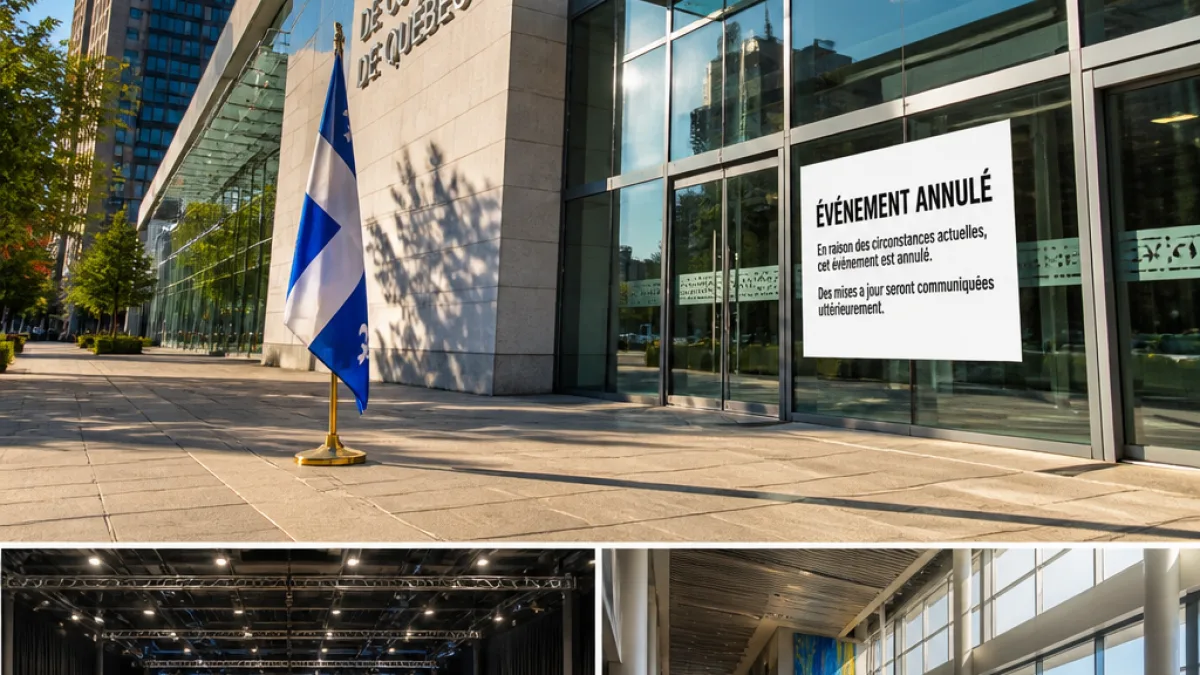
The Superior Court of Quebec found that officials effectively ended a rental agreement for the “Faith, Fire, Freedom Rally” after the tourism minister at the time, Caroline Proulx, directed the cancellation. The court ruled the action deprived Harvest Ministries International of its freedoms of expression, religion and association without lawful authority.
"The court concluded that the minister acted without legal authority, exercised government power arbitrarily, and denied the organization access to a publicly owned venue because officials disagreed with its viewpoint."
The case was brought by Harvest Ministries, represented by the Justice Centre for Constitutional Freedoms, which said the court rejected the government’s interference and found no statute, regulation or directive authorised the minister to prevent the conference from proceeding.
What the lawsuit claimed
Harvest Ministries sued the provincial government for $80,000 and asked the court to declare that the cancellation violated the group’s Charter rights. The organisation, based in British Columbia, argued the Quebec City gathering was not an anti‑abortion rally but a reconciliation event. Pastor Arthur Lucier, the group’s founder, testified that the program did not include presentations on abortion.
Lucier told the court he was informed about the termination of the rental agreement roughly three weeks before the scheduled event and that his organisation was unable to find an alternative venue after approaching about 50 other locations. He described the cancellation as "heartbreaking" for prospective attendees.
Government defence and court findings
Quebec’s government had argued that the protections for freedom of religion and the duty of non‑discrimination apply only to individuals, not to legal entities such as organisations. The court dismissed the government’s approach, finding the minister's intervention lacked legal basis and was motivated by disagreement with the group's viewpoints.
The Justice Centre for Constitutional Freedoms, which represented Harvest Ministries, said the ruling found government officials effectively created a rule restricting access to a public venue — a finding with potential implications for how provincial ministries handle room rentals and event approvals in publicly owned facilities.
Local implications and broader questions
The decision raises practical and policy questions for provincial agencies that manage public buildings and event bookings. Access to publicly owned venues is often governed by contracts, policies and directives intended to be applied consistently. The court’s finding that a ministerial directive was issued without legal authority highlights the need for clear, transparent criteria when government officials exercise discretion over public spaces.
Legal observers and community groups will likely be watching how the government responds to the ruling, whether it appeals and whether it updates its policies for access to provincial venues. The case also contributes to a growing body of litigation over viewpoint discrimination and the limits of administrative power in Canada.
Key facts at a glance
- Organisation: Harvest Ministries International
- Event: "Faith, Fire, Freedom Rally" (scheduled in 2023)
- Venue: Provincially owned convention centre in Quebec City
- Claim: $80,000 for Charter violations
- Court: Superior Court of Quebec — found government action unjustified
| Issue | Court finding |
|---|---|
| Authority to cancel booking | Minister acted without legal authority |
| Reason for cancellation | Officials disagreed with the organisation's viewpoint |
| Charter rights involved | Expression, religion, association |
For residents and organisations booking space in public facilities, the ruling underscores the importance of written policies and equitable treatment regardless of viewpoint. For the provincial government, it signals judicial scrutiny where ministerial action overrides contractual arrangements or existing administrative frameworks.
The Justice Centre’s statement following the ruling framed it as a vindication of free‑speech and religious liberties; the provincial government has not released a public response to the decision in the material provided by the parties represented in the court filing.
The case will be followed closely for any appeal motions or policy changes that could affect how events are vetted and approved in publicly owned venues across Quebec.