
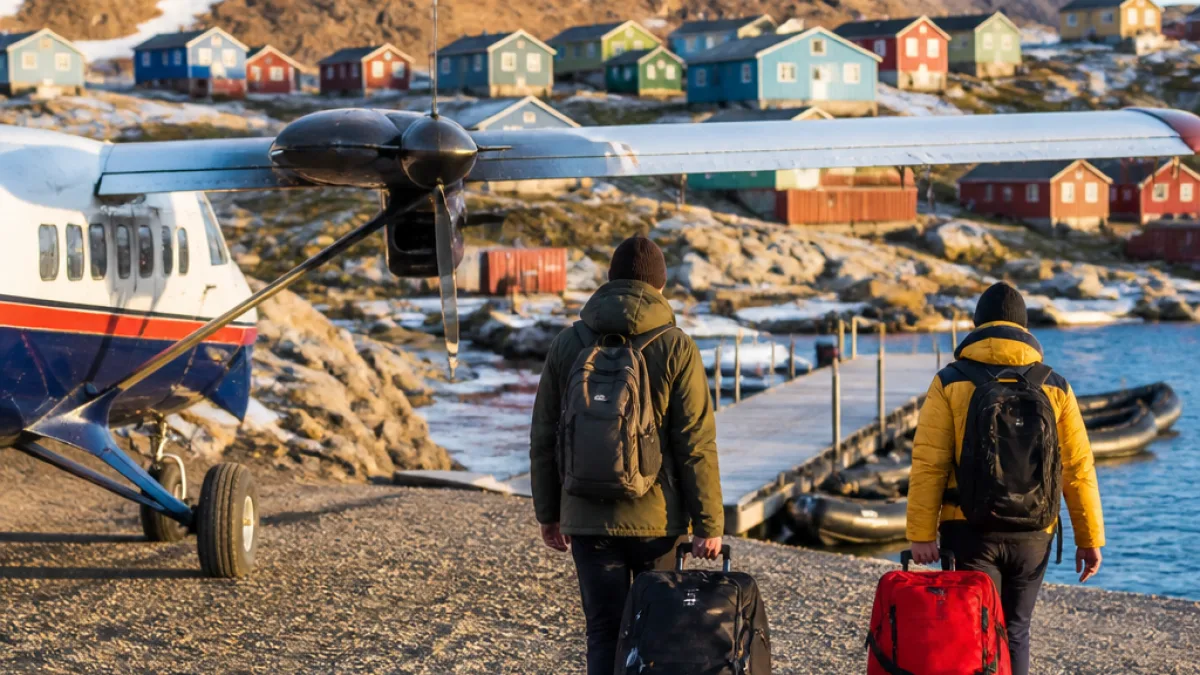
Nunavut welcomed fewer out-of-territory visitors during the summer of 2025 but recorded higher total tourist spending, according to Statistics Canada figures that show a changing picture for the territory’s travel industry.
Visitor numbers fall, spending rises
Between July and September 2025 there were 22,800 visitors to Nunavut from outside the territory, down from 25,000 in the same period in 2024. Despite the drop in arrivals, travellers spent a combined $46 million during the 2025 summer months, up from $44 million a year earlier.
The increase in total expenditures amid lower visitor counts suggests those who travelled to Nunavut in 2025 spent more per person than in 2024. Industry officials say that is a positive sign, even if the mix of visitor types shifted.
“The travel industry is in a really good place. Our latest economic impact assessment showed Nunavut’s travel sector continues to grow and makes a major contribution to the territory’s economy through jobs, GDP, labour income and tax revenues,”
That comment came from Alex Stubbing, president and CEO of Travel Nunavut, the industry association that represents many tourism operators in the territory.
Employment, incomes and the local economy
Employment tied to tourism also rose slightly. Direct and indirect jobs in the sector increased by 2.2 per cent to 6,460 positions, with total employee income reported at $342.6 million. Simple division of those totals would equate to roughly $53,000 per worker, though officials note that incomes vary widely by job and community.
Those jobs and earned income support businesses across Nunavut — from hotels and tour operators to restaurants, craft sellers and local guides — so even modest growth can matter in communities where seasonal tourism is a significant part of the economy.
Where the declines came from
Destination Nunavut, the territorial government’s tourism arm, pointed to cost-of-living pressures as one likely reason for fewer arrivals. The decline appears concentrated among Canadians from outside Nunavut and air travellers.
| Measure | Summer 2024 | Summer 2025 |
|---|---|---|
| Total out-of-territory visitors | 25,000 | 22,800 |
| Tourist spending | $44 million | $46 million |
| Tourist arrivals by plane | 19,400 | 15,800 |
| Canadians from outside Nunavut | 19,300 | 16,000 |
| Business trips | 14,600 | 11,800 |
| Direct and indirect jobs | — | 6,460 |
| Total income (tourism employees) | — | $342.6 million |
Statistics Canada’s breakdown shows air arrivals fell to 15,800 in summer 2025 from 19,400 the year before. Similarly, the count of Canadians from outside Nunavut declined to 16,000 from 19,300. Business travel also dipped, with business trips falling to 11,800 from 14,600.
Why spending rose
Officials say the higher overall spending is tied to the composition of travellers. Leisure visitors generally pay out of pocket for flights, lodging and local services, while business travellers commonly have many costs billed to employers. That difference can boost reported spending when a larger share of visitors are leisure travellers or when leisure visitors spend on higher-priced experiences.
- Fewer but higher-spending visitors can keep revenues stable for local operators.
- Declines in air arrivals and non-resident Canadians point to travel-cost sensitivity.
- Employment gains show the sector remains an important employer across the territory.
What this means locally
For communities and businesses across Nunavut, the data present a mixed picture. Higher per-visitor spending can help shore up revenues for tour operators, accommodations and craft sellers, but fewer arrivals can mean lower overall demand for seasonal services and fewer opportunities for smaller operators who rely on visitor numbers. Operators that sell higher-value packages or experiential tours may benefit more than those dependent on volume.
Industry and government representatives are likely to watch whether the 2025 pattern holds in 2026 and beyond: whether higher spending per visitor compensates for fewer travellers, and whether continued cost-of-living pressures curb the willingness of non-resident Canadians to make the trip north by air.
Statistics Canada’s data provide a snapshot of a single summer. For residents and business owners planning for the next season, monitoring bookings, airfare trends and travel-market reports will be important to prepare for changing demand.
The territory’s tourism industry, while small in absolute numbers, links to jobs and incomes across Nunavut — from the capital to smaller hamlets — so shifts in visitor behaviour are felt widely.