
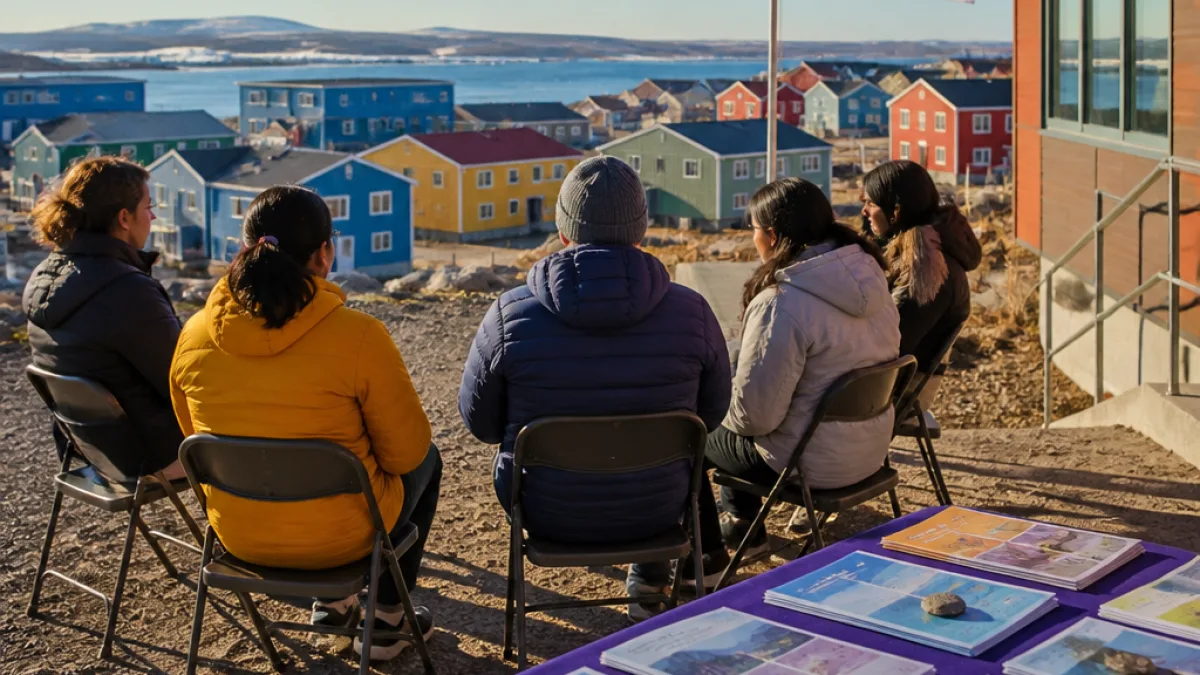
Suicide in Nunavut is not an isolated medical mystery. It is a social and historical problem that touches every community across the territory, and it remains one of the region’s most pressing public-health concerns. Recent figures from national organisations place the territory’s suicide rates at roughly five to 25 times the Canadian average, a disparity that demands both immediate supports and long-term social change.
Root causes reach back generations
Scholars and community workers point to Canada’s history of colonial policies as a central factor shaping current risk. Systemic harms — including forced relocations, residential schools, and prolonged underfunding of housing, food security and health services — created conditions that continue to affect mental health, resilience and intergenerational wellbeing.
Many experts now say that while certain mental illnesses can increase risk, most suicides occur in the context of distress, loss of hope and limited access to supports. That perspective echoes sociological thinking stretching back more than a century: the social environment, relationships and material conditions are crucial to understanding why people take their own lives.
Prevention starts with connection
Across the North, one of the clearest protective actions is simple human connection. Health workers and counsellors emphasise that reaching out, refusing the pull of isolation and talking about pain are central to preventing deaths. Shame and silence often stop people from asking for help; overcoming that requires personal courage and community acceptance.
“It takes courage to be worried about yourself,”
The sentiment above — a call to recognise one’s own distress and seek help — reflects advice given repeatedly by frontline workers and by voices within Nunavut’s communities.
Where investment fits in — and where it falls short
In 2024–25, the Government of Nunavut announced $54 million directed to mental-health and addictions services. That funding aims to expand care, support treatment programs and bolster crisis response. While welcome, community leaders and advocates caution that money alone cannot erase the social drivers of suicide.
Short-term clinical supports are essential, but so are sustained efforts to improve housing, reduce poverty, protect culture and language, and ensure access to land-based healing. Without addressing those underlying determinants, prevention work risks treating symptoms rather than causes.
Practical steps communities and families can take
People and households can take concrete steps to reduce risk and increase safety. Those measures include maintaining connections, learning the signs of crisis, and knowing where to turn when a loved one needs help.
- Stay connected: Regular contact with friends, family and community members reduces isolation.
- Watch for warning signs: Increased substance use, withdrawal, hopeless talk or changes in behaviour may signal risk.
- Seek supports early: Crisis lines, local health centres and community-based programs can provide immediate help.
- Promote land-based healing and culture: Activities that reconnect people to community and traditions can strengthen resilience.
How services and communities can work together
Health professionals in Nunavut recommend combining clinical care with culturally rooted, community-led approaches. That includes training more local counsellors, funding land- and culture-based programs, and ensuring services are available in Inuktut dialects. Partnerships between territorial authorities, Inuit organisations and local hamlets are essential to designing care that fits community realities.
Below is a simple summary of commonly discussed contributors and responses:
| Contributors | Responses |
|---|---|
| Historical trauma, poverty, housing shortages | Long-term investments in social determinants, housing and culturally safe services |
| Isolation and loss of community connection | Community programming, land-based healing and outreach |
| Limited mental-health workforce | Training local providers, funding crisis teams and telehealth |
As funding is rolled out, transparency and community involvement will be critical. Territorially directed dollars must reach hamlets and support Inuit-led initiatives if they are to make a measurable difference.
For anyone feeling unsafe or worried about someone, immediate support is important. Local health centres, community wellness teams and crisis lines are available — and asking for help is a sign of strength, not weakness. Nunavummiut have always relied on each other in hard times; restoring and strengthening those connections remains central to preventing further loss.
This coverage aims to inform and encourage action, not to overwhelm. Conversations about suicide are difficult, but in the Arctic they are necessary. Addressing the crisis will require both the short-term supports that money can buy and the long-term social change that communities and governments must build together.