
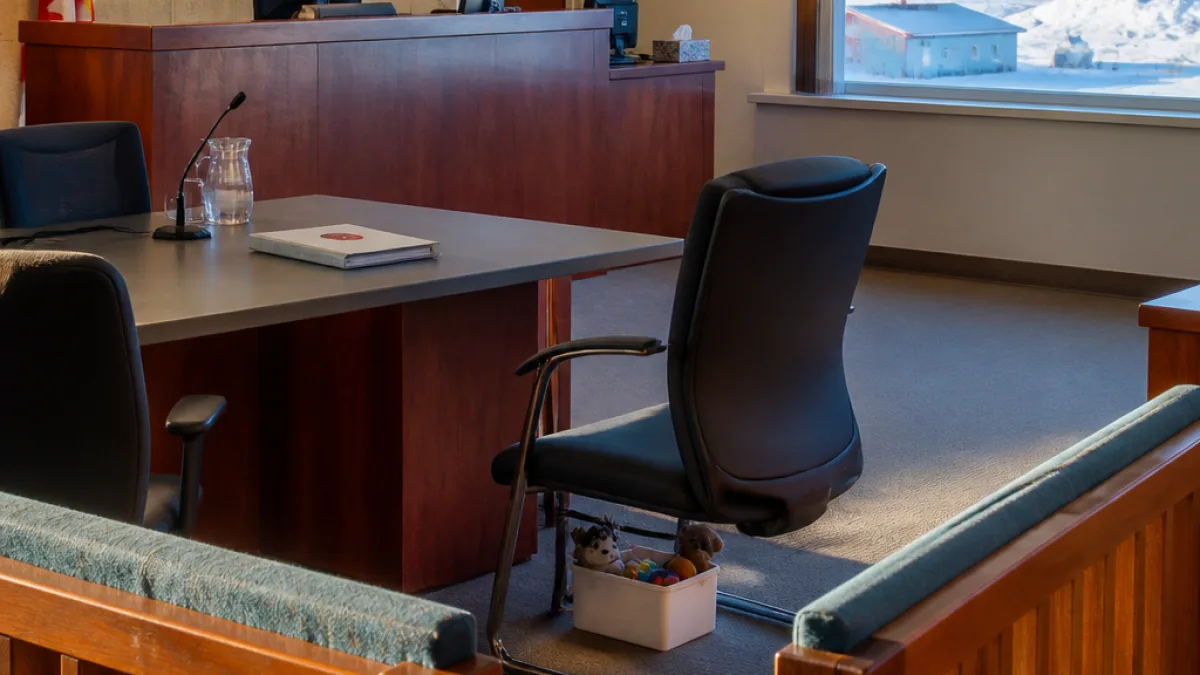
In an Iqaluit courtroom on Tuesday, a Nunavut judge imposed a sentence of two years and nine months behind bars on Simeonie Issigaitok, 73, following guilty pleas to two separate incidents of sexual interference with minors in Sanirajak.
Long pattern of offending
Issigaitok’s latest convictions add to a decades‑long record of sexual offences. Court records show he has 27 prior convictions for sexual assault and sexual interference and was designated a dangerous offender in 2014. Justice Christian Lyons described the accused’s behaviour as a serious and recurring threat to children in the region.
"[He] repeatedly and substantially contributed to a high rate of abuse against Inuit children,"
The two new offences were separated widely in time. One dates back to the late 1980s, when the accused entered a residence and abused an underage girl while her parents were in another room. The other happened in April 2025, when surveillance footage captured Issigaitok touching a 10‑year‑old boy at the Sanirajak community hall. The identities of both victims are protected under the Youth Criminal Justice Act.
Health, custody and court delays
Issigaitok has spent significant periods in custody before: court documents note he served a total of 16 years in jail since 1998. His physical condition — he is now wheelchair‑bound — affected the progress of the most recent proceedings. Sheriffs had to carry him up the courthouse steps for the sentencing hearing, and earlier this year he was medevaced to Ottawa after experiencing breathing problems. Those health issues delayed the case multiple times.
Sentence and community reaction
Despite his age and medical frailty, the court determined a custodial sentence was required. Justice Lyons acknowledged those factors but said they did not outweigh the need to protect children and the public. The sentence handed down on Tuesday is shorter than some might expect given his record and the dangerous offender designation in 2014.
The prosecution and defence presentations, and the judge’s reasons, emphasised both the profound harm done to victims and the pattern of reoffending that has affected families and community trust across years.
Case timeline
- Late 1980s — First of the two new offences occurred, involving an underage girl.
- April 2025 — Video captured sexual contact with a 10‑year‑old in Sanirajak community hall.
- 2025 — Arrests and guilty pleas for the two counts of sexual interference.
- 2014 — Designated as a dangerous offender.
- 1998–present — Total of 16 years served in custody over multiple sentences.
The court record does not disclose details about parole eligibility, long‑term supervision, or any potential conditions that may follow the custodial term. Those matters are typically addressed through parole boards and subsequent court orders.
| Detail | Figure |
|---|---|
| Age | 73 |
| Prior convictions | 27 |
| Dangerous offender designation | 2014 |
| Total years previously incarcerated | 16 |
| New custodial sentence | 2 years, 9 months |
Broader implications
This sentence renews difficult questions for Nunavut communities about how best to protect children and how to respond to repeat sexual offending. The dangerous offender designation is intended to recognise and manage individuals who pose an ongoing threat; yet for many families, the recurrence of abuse across decades underscores ongoing gaps in prevention and rehabilitation.
Community members and leaders have called in the past for improved supports for victims, better child‑protection resources, and more robust local services for mental health and addictions — factors often linked in court files to cycles of violence. The court’s decision and the records in this case will be of interest to those tracking how justice and social services in the North respond to repeat sexual offending.
Under the Youth Criminal Justice Act, the names of the victims remain protected. Anyone affected by the matters in this case is encouraged to seek assistance from local health and social services or Inuit organisation supports available in their community.
Reporting from Iqaluit.