An elections official identified as Carney has called by-elections for three federal ridings located in Ontario, Quebec and British Columbia, the latest steps to fill vacant seats in the House of Commons.
What this means for voters and parties
By-elections are the mechanism by which vacant seats in the House of Commons are filled between general elections. When a seat becomes vacant — through resignation, death or other circumstances — an election must be held to elect a new member of Parliament for that riding. The announcement that these contests will proceed starts a formal timeline for nomination processes, campaigning and the vote itself.
For constituents, a by-election presents an opportunity to select a representative who will take their concerns to Ottawa for the remainder of the parliamentary term. For political parties, by-elections offer a chance to test messages, mobilize local supporters and, in some cases, shift the parliamentary balance or momentum ahead of a future general election.
How by-elections are triggered and timed
Federal by-elections are called following a vacancy in a seat. Once a vacancy is officially recognized, the process moves forward under the Canada Elections Act, which sets out the parameters for when the writs can be issued and how long the campaign period must be. The timing of the announcement initiates procedural steps for parties and electoral administrators.
| Stage | What happens |
|---|---|
| Call | Electoral authority issues writs for by-election |
| Nominations | Parties select candidates; independents register |
| Campaign | Period for public events, debates and voter outreach |
| Vote | Election day and vote counting |
Local impacts in Quebec and beyond
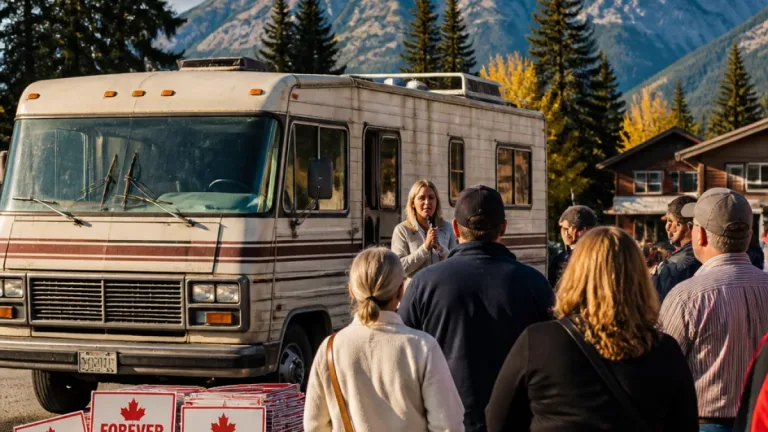
One of the ridings is in Quebec. For Quebecers, a by-election can draw heightened attention if the contest is seen as a barometer of regional sentiment on issues such as provincial-federal relations, language and culture policy, housing affordability or the economy. Local campaigns tend to focus on constituents’ immediate concerns while also reflecting broader national debates.
In British Columbia and Ontario, the other announced contests will likewise focus on local priorities — from housing and transit in urban areas to resource and environmental issues in more rural or coastal communities. While specific candidate names and riding boundaries were not included in the initial announcement, political watchers will be looking for signals about how parties allocate resources and which messages they prioritise.
Why parties pay attention to by-elections
Political parties often treat by-elections as strategic opportunities. The outcomes can:
- Provide momentum or demoralise parties depending on results.
- Offer insight into voter reaction to recent federal policies.
- Allow emerging or local candidates to gain profile ahead of a general election.
Smaller shifts in standings can be especially meaningful in a minority Parliament or where the government’s working majority is slim. Parties also use by-elections to trial campaign techniques and messaging that might be scaled for larger contests.
Practical information for voters
When a writ is issued, Elections Canada and returning officers in affected ridings will publish key dates and voting information. Voters should watch for:
- Official nomination lists showing the candidates running.
- Advance polling dates and locations.
- Voter identification and registration requirements.
Those unsure of their eligibility or registration status can consult Elections Canada’s website or contact their local returning officer. Advance polling and mail-in ballot options may be available, subject to the rules in place for the by-election.
What to expect next
With the announcement that Carney has called by-elections in three provinces, party nomination meetings and candidate selections will be the immediate next steps. Media coverage will likely intensify as campaigns launch and local issues come into sharper focus. For constituents in the affected ridings, the forthcoming months will determine who will represent them in Ottawa until the next general federal election.
The coming weeks will make clear which candidates emerge and how the parties respond. For now, the call sets the electoral machinery in motion and gives voters in Ontario, Quebec and British Columbia a timeline for choosing their next voice at the federal level.