
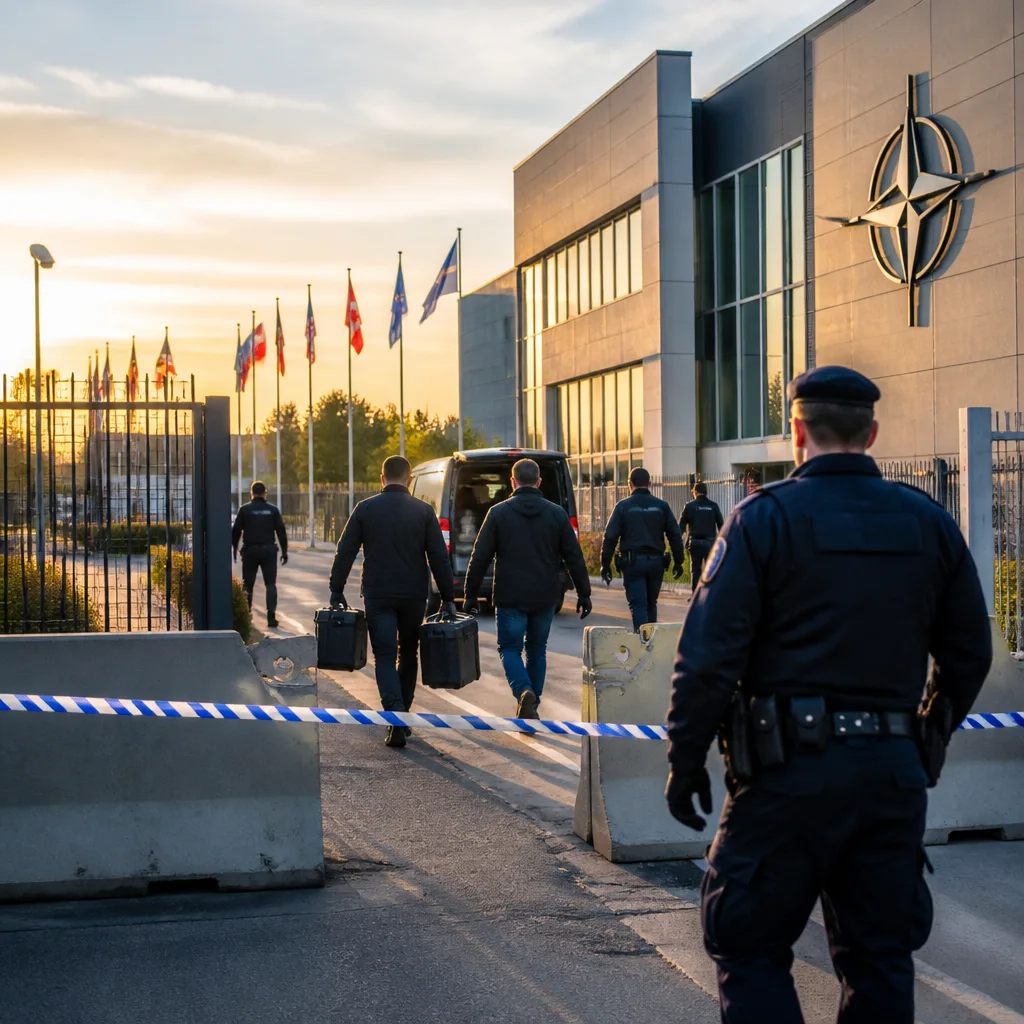
Belgian federal prosecutors announced the arrest of a Canadian national who had been serving as an intern at NATO’s senior military headquarters in Mons, charging her with alleged espionage on behalf of a third country and with involvement in a criminal organisation.
Prosecutors identify charges, but few other details
The Federal Public Prosecutor's Office said the suspect — described as a Canadian national of Chinese origin — is accused of spying for another state and of being affiliated with a criminal organisation. Authorities did not identify the third country named in the statement, nor did they release the woman’s name or additional personal details.
"She is suspected of spying on behalf of a third country and of being a member of a criminal organization,"
The detained woman had been interning at SHAPE — the NATO Supreme Headquarters Allied Powers Europe — the military command responsible for planning and executing operations for the 32-member alliance. Belgian authorities reported search operations at the suspect’s home and workplace as part of their inquiry.
Immediate diplomatic and security considerations
The case raises questions about how foreign nationals are vetted before being granted access to NATO facilities in Europe, and about the safeguards that govern interns' access to sensitive military information. Canada’s federal public safety and justice departments were contacted for comment, according to reporting, and NATO has been notified through the appropriate channels.
SHAPE is the principal headquarters for Allied Command Operations. It oversees the alliance’s operational planning and management. The presence of a Canadian intern at that facility, now accused of espionage, places Ottawa in a position where it will need to balance consular support and cooperation with Belgian and NATO investigative authorities while protecting classified information and alliance operations.
- Who was arrested: A Canadian national of Chinese origin who was interning at SHAPE.
- Charges reported: Suspected spying for a third country and alleged membership in a criminal organisation.
- Where: Mons, Belgium; searches conducted at the individual's home and workplace.
| Fact | Detail |
|---|---|
| Facility | SHAPE (NATO Supreme Headquarters Allied Powers Europe) |
| Allegations | Espionage for a third country; membership in a criminal organisation |
| Membership affected | NATO, 32-member alliance |
Context and potential consequences
NATO headquarters host personnel from allied nations and contractors, including internships that provide career exposure for young professionals. An espionage allegation involving someone with that access could prompt allied capitals to review recruitment, security clearance and monitoring procedures for non-permanent staff and trainees.
For Canada, the incident may trigger internal reviews of how Canadians are selected for overseas posts embedded within multinational organisations. The government will face the dual task of safeguarding national and allied security interests while ensuring due process for a citizen detained abroad.
Belgian prosecutors have not released the identity of the alleged criminal organisation or specified which foreign state is being implicated. That limited disclosure is consistent with an ongoing judicial investigation and with the need to protect intelligence methods and sources while evidence is gathered.
Public reporting indicates that Canadian officials were approached for comment. How Ottawa responds — whether through consular assistance, cooperation with Belgian authorities, or a broader examination of personnel security policies — will be watched closely by NATO partners and by parliamentary oversight bodies concerned with national security and foreign interference.
What comes next
Belgian authorities will continue their legal process, which may include further searches, evidence collection and prosecution steps if sufficient proof is assembled. NATO and member governments typically refrain from public commentary on sensitive investigations until authorities share confirmed details.
The arrest underscores the delicate balance allied nations maintain between openness — allowing students and early-career professionals to gain experience in international institutions — and the imperative to limit access to sensitive military and operational information. The outcome of Belgium’s inquiry will be closely followed in Ottawa and among NATO capitals for implications on personnel policies and international cooperation.