A Sudbury-led research team has secured a $1.354 million federal grant to develop culturally safe models of brain and heart health care for Anishinaabe Elders, officials announced this week.
Research centred in Sudbury institutions
The four-year project, titled Naanaagidewendimowin – DREAM Wellness: Co-Creating an Anishinaabe Brain-Heart Health and Wellness Model of Care for Elders, Designed to Transform Clinical Practice Based on Two-Eyed Seeing, will be led by Dr. Marion Maar, a NOSM University professor and medical anthropologist who is cross‑appointed to Laurentian University’s Human Sciences Division.
The research brings together a network of researchers, health professionals and community leaders from institutions based in Sudbury and across the region, including:
- Laurentian University
- Northern Ontario School of Medicine (NOSM) University
- Noojmowin Teg Health Centre
- Manitoulin Health Centre
- Health Sciences North
- University of Toronto
Focus and methods
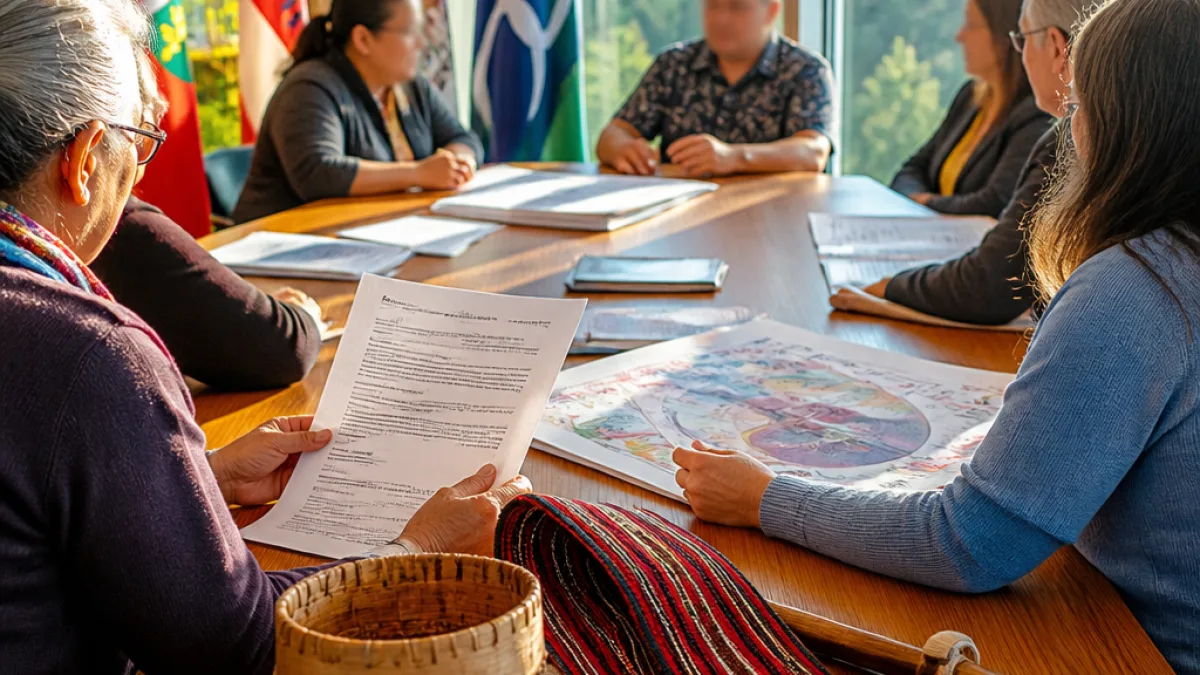
The project will focus on developing and testing models of care that are culturally safe for Anishinaabe Elders and that address multiple stages of care: prevention, treatment, aftercare and transition. The research team says the models will be co‑developed with community partners and health-care providers to ensure relevance and cultural safety.
A central methodological principle for the study is Two‑Eyed Seeing, an approach that draws on both Indigenous and Western ways of knowing to inform research and practice.
"DREAM Wellness: Co-Creating an Anishinaabe Brain-Heart Health and Wellness Model of Care for Elders, Designed to Transform Clinical Practice Based on Two-Eyed Seeing,"
The study description indicates the intent is to transform clinical practice through collaborative design, ensuring that interventions reflect Indigenous knowledge, community priorities and clinical evidence.
Funding and timeline
The Canadian Institutes of Health Research (CIHR) awarded the grant, which will fund the project over a four‑year period. The total awarded is stated as $1.354 million, enabling the team to undertake community engagement, model development, implementation and evaluation across partner sites.
| Item | Detail |
|---|---|
| Project name | Naanaagidewendimowin – DREAM Wellness |
| Lead investigator | Dr. Marion Maar (NOSM/Laurentian) |
| Duration | 4 years |
| Funding | $1.354 million (CIHR) |
Local significance
For Sudbury, the project represents both an investment in local research capacity and an opportunity to shape care that responds to the needs of regional Indigenous Elders. Partners such as Health Sciences North and Noojmowin Teg Health Centre operate in the region, positioning the study to pilot and refine practices that could be implemented in local health services.
By emphasising cultural safety and collaborative design, the research aims to address gaps in care for brain and heart health that can disproportionately affect Indigenous populations. The project’s focus on every stage of care — from prevention through transition — reflects an intent to create more continuous and culturally meaningful pathways for Elders accessing health services.
Researchers involved say the next steps will include community engagement to co‑develop specific models and measures, followed by testing and evaluation with clinical partners. Results could inform changes to clinical practice in Sudbury and other Northern Ontario communities, though the timeline for implementation will depend on study findings over the four‑year grant period.
The CIHR‑funded initiative adds to a growing body of work focused on Indigenous health in Northern Ontario and underscores the role Sudbury’s academic and health institutions play in regional research and care innovation.