The Senate announced on Saturday afternoon that Senator Todd Lewis, a Saskatchewan farmer who rose to national prominence as an agricultural advocate, has died at the age of 65.
Longstanding voice for Canadian agriculture
Lewis spent more than four decades working on the land and led farmers’ organisations before entering federal politics. He served as president of the Agricultural Producers Association of Saskatchewan (APAS) for five years and was active in multiple community groups representing rural interests. His appointment to the Senate came on Feb. 7, 2025, by then-prime minister Justin Trudeau.
“Throughout his more than four-decade career on the land, Senator Lewis emerged as a leading advocate for farmers' interests,” the Speaker of the Senate, Raymonde Gagné, said in a statement.
In a statement, Prime Minister Mark Carney said Lewis carried an enduring commitment to the land and to generational stewardship from his family farm into public life, calling him a “steadfast voice” for rural communities. Saskatchewan Premier Scott Moe also extended condolences, describing Lewis as a community leader and a strong advocate for the province.
From family farm to national stage
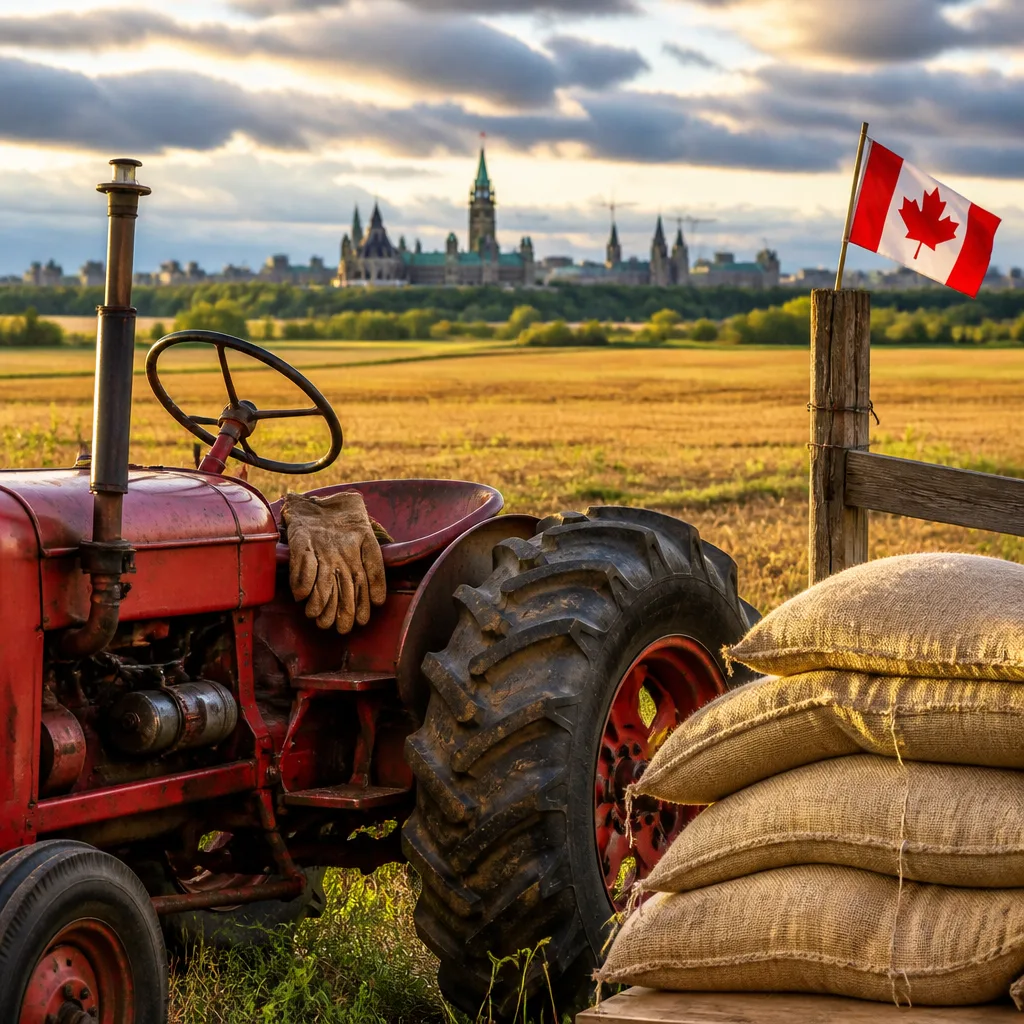
Lewis operated a farm near Gray, Saskatchewan, roughly 39 kilometres south of Regina. His practical experience on the farm, combined with leadership in producer organisations, made him a familiar figure to farmers and policymakers alike.
Colleagues and officials highlighted his persistent focus on agricultural policy and rural livelihoods. In the Senate, he was known for raising issues affecting prairie producers and for drawing on his direct experience as a farmer when debating national agricultural and rural policy.
What his death means for rural representation
Lewis’s passing creates an immediate vacancy in the Upper Chamber. While the process to fill a Senate seat varies depending on political and constitutional factors, the loss will be felt in Ottawa and across Saskatchewan’s rural communities. For many producers and local leaders he was a bridge between grassroots concerns and federal decision-making.
- Age: 65
- Senate appointment: Feb. 7, 2025
- Farm location: Near Gray, Sask., about 39 km south of Regina
- Leadership roles: Five years as APAS president and active in community organisations
| Item | Detail |
|---|---|
| Age | 65 |
| Senate appointment | Feb. 7, 2025 |
| Farm | Gray, Saskatchewan (≈39 km south of Regina) |
Those who worked with him described a hands-on approach rooted in practical agriculture. His time as APAS president and work with other local organisations helped shape provincial responses to farm-level challenges including market access, inputs, and the everyday realities of rural life.
Tributes from political leaders emphasised both his public service and his connection to place and community. The Senate’s speaker, Raymonde Gagné, called him a “steadfast champion of Saskatchewan's agricultural sector,” underlining the reputation he cultivated over decades in the field and in advocacy roles.
Next steps and legacy
The Senate announcement did not provide details on the circumstances of his death. Official statements from federal and provincial leaders focused on his record and the role he played representing Prairie farmers in Ottawa.
His departure will prompt memorials from agricultural organisations and local communities who knew him as a farmer and a leader. In Ottawa, senators and staff who engaged with him on agricultural and rural issues will also mark the loss of a colleague who combined lived experience with public advocacy.
As one of the Upper Chamber’s rural voices, Lewis’s career illustrates how local leadership can move into national institutions. His passing leaves a gap in representation for those constituencies that rely on direct experience in agriculture to shape federal policy debates.
The Senate and provincial offices have been the primary sources for the information released so far.