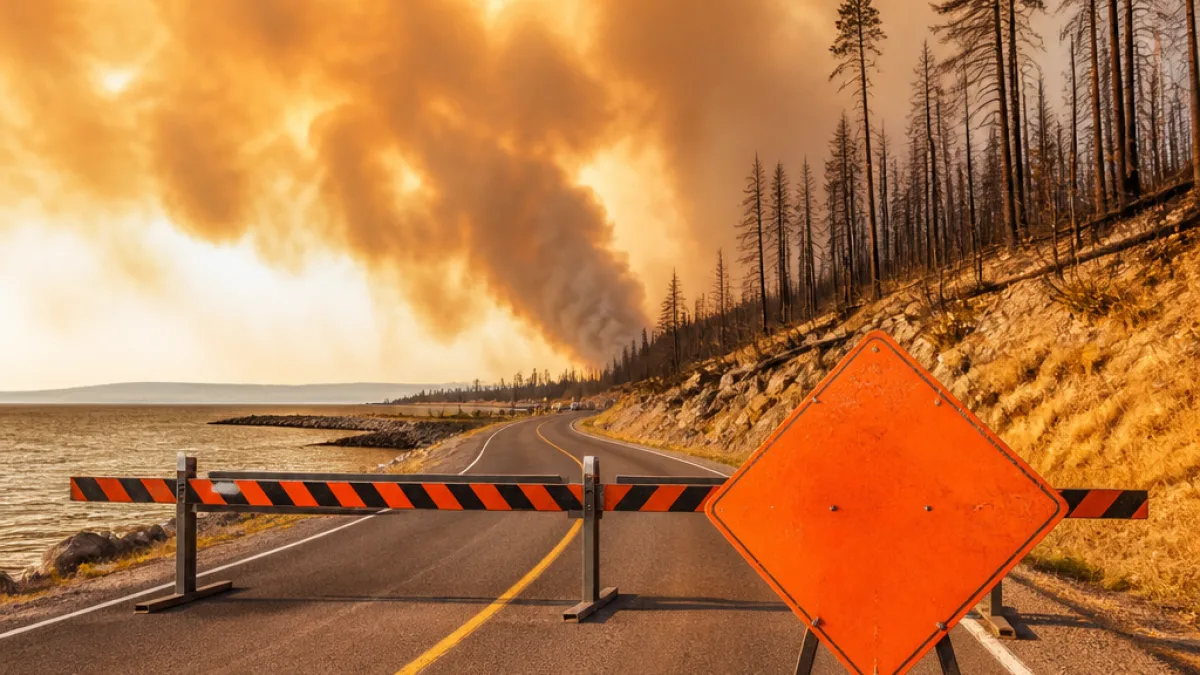
A new international analysis concludes that the hot, dry and windy conditions that helped feed the July wildfires in Ontario and the Northwest Territories were made roughly twice as likely by human-caused climate change.
What the report found
The World Weather Attribution team examined meteorological conditions behind the July fires and compared present-day likelihoods with a hypothetical world without human-driven warming. The study found that the extreme fire weather now occurs far more often than it would have in the absence of greenhouse-gas emissions from burning fossil fuels.
Specifically, the researchers say the hot, dry and windy conditions in the Northwest Territories could now be expected to occur about every two to six years, while in Ontario similar conditions may occur roughly every six to 15 years. By contrast, the report suggests those same conditions in a world without human-caused climate change would have been much rarer — estimated at less than once in 40 years.
| Region | Current expected frequency | Expected frequency without human-caused warming |
|---|---|---|
| Northwest Territories | Every 2–6 years | Less than once in 40 years |
| Ontario | Every 6–15 years | Less than once in 40 years |
Local impacts and communities at risk
Photographs taken from the air show extensive wildfire damage in the area surrounding Collins First Nation, a remote Ojibwa community about 250 kilometres north of Thunder Bay. The images, released in July, underscored how quickly fires can threaten small, isolated communities and strain local emergency responses.
While the study does not catalogue human or infrastructure losses, the increased frequency of extreme fire weather has direct implications for evacuation planning, provincial firefighting resources and support for northern and Indigenous communities that are often more vulnerable to rapid fire spread.
What this means for Ontario
For Ontario residents and planners, the analysis reinforces a growing body of evidence tying extreme weather and wildfire risk to global warming. More frequent fire-conducive conditions could translate into a longer fire season, more frequent smoke events affecting air quality, and increased pressure on municipal and provincial emergency services.
- Preparedness: Municipalities may need to review evacuation routes and shelters, particularly for remote communities.
- Health impacts: More frequent smoke could worsen respiratory illness and strain healthcare services, especially for vulnerable populations.
- Resource planning: Firefighting capacity and interprovincial mutual aid systems could face greater demand in coming years.
Broader context
Attribution studies like this one compare observed weather with modelled alternatives that remove the effect of human greenhouse-gas emissions. They have become a common scientific tool for assessing how climate change alters the odds of extreme events — from heatwaves and heavy rainfall to drought and wildfire-conducive weather.
For policymakers, the findings add weight to calls for both mitigation — reducing emissions to limit future warming — and adaptation measures to protect communities now facing heightened risk.
Communities in northern Ontario and across the province should expect fire seasons shaped by escalating climate-driven conditions and plan accordingly: updating local emergency plans, investing in community-level communications and ensuring supports for people with health vulnerabilities during smoke episodes.
The World Weather Attribution report does not assign blame for specific fires to climate change, but it does make clear that the environmental backdrop that allows such blazes to start and spread has been altered — and the change has increased the frequency of those dangerous conditions.
Provincial officials and emergency managers have said in recent months that they are monitoring shifting risks and reviewing how best to allocate firefighting resources and public-health supports. The new findings will likely feed into those ongoing discussions as Ontario prepares for future seasons where extreme fire weather may no longer be a rare occurrence.