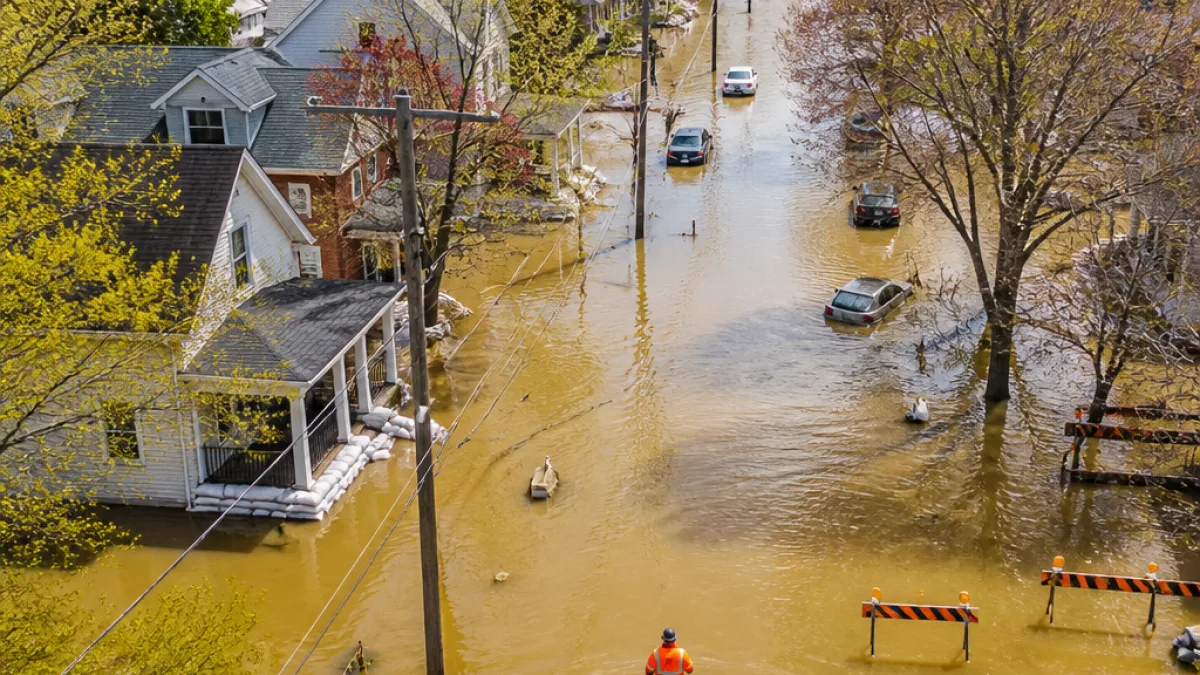
Communities across the Niagara Region were left grappling with extensive flooding and damage after two back-to-back storms dumped roughly 250 millimetres of rain on parts of the area over three days, prompting states of emergency in St. Catharines and the nearby Town of Lincoln.
Rainfall overwhelmed infrastructure, officials say
Municipal officials characterised the deluge as historic, saying the storms overwhelmed roads and sewers, inundated homes and businesses and eroded stretches of shoreline. The first bout of extreme rainfall came on July 27 and 28, when more than 125 millimetres fell in parts of the region. A second storm on Sunday delivered an additional 130 millimetres, together equalling about a quarter of the region’s typical annual precipitation in just three days.
The scale of the event left many residents dealing with damaged property, interrupted utilities and uncertainty about recovery timelines. City officials warned the risk of further impacts remains elevated should another storm arrive while debris and weakened infrastructure remain unaddressed.
Local damage and personal toll
For some, the flooding has been sudden and unprecedented. St. Catharines resident Nathan Morrissette described recent days as "organized chaos" after water filled his unfinished basement, damaging a water heater and numerous personal items. He said neighbours who have lived in the city for decades experienced basement flooding for the first time in recent days.
"I think we're all hoping it's a one-off situation, but I'm definitely afraid. I've already tried to make some insurance arrangements," Morrissette said in an interview, calling the storm a "wake-up call."
St. Catharines Mayor Mat Siscoe publicly appealed for additional support, posting video of himself wading through his own flooded basement and urging provincial and federal governments to provide some form of disaster relief. In the video he said that thousands of homes had been hit by flooding and that the city had been left to fend for itself.
How much rain fell — at a glance
| Date | Approximate rainfall |
|---|---|
| July 27–28 | 125+ mm |
| Sunday (last storm) | 130 mm |
| Total over event | ~250 mm |
Climate context and warnings
Scientists have warned that climate change — driven by the burning of fossil fuels — is increasing the intensity of extreme rainfall events, elevating the risk of major flooding across Canada. Municipal statements described the recent storms as having produced conditions beyond what local infrastructure was designed to handle.
City officials cautioned residents to remain vigilant for additional impacts, such as further washouts, basement flooding and compromised roadways while crews work to clear drains and assess damage.
Practical information for residents
Residents affected by the flooding have been urged to take practical steps as the clean-up continues:
- Document damage with photographs and notes for insurance claims.
- Contact insurers promptly to report losses and ask about coverage for overland flooding.
- Exercise caution around flood-damaged buildings and electrical systems; avoid entering basements until a qualified technician confirms it is safe.
- Follow municipal updates and emergency advisories for road closures and shelter information.
Some residents, such as Mr. Morrissette, said they were already making insurance arrangements. Local leaders say recovery will require coordinated support and that the emergency declarations are meant to unlock additional resources and reduce further risks while clean-up is underway.
Next steps for municipalities
St. Catharines and the Town of Lincoln issued states of emergency to better coordinate response efforts and seek aid. Officials have not released a full accounting of damages or a timeline for repair work, but have said shoreline erosion and infrastructure impacts are being assessed.
As crews work to restore services and clear debris, residents are being asked to report hazardous conditions to their municipal offices and to follow local social media and municipal websites for the latest advisories.
The storms have underscored concerns about community resilience as extreme weather becomes more frequent. For now, residents and municipal staff in Niagara are focused on immediate recovery while watching the forecast for any additional rain that could compound the damage.