
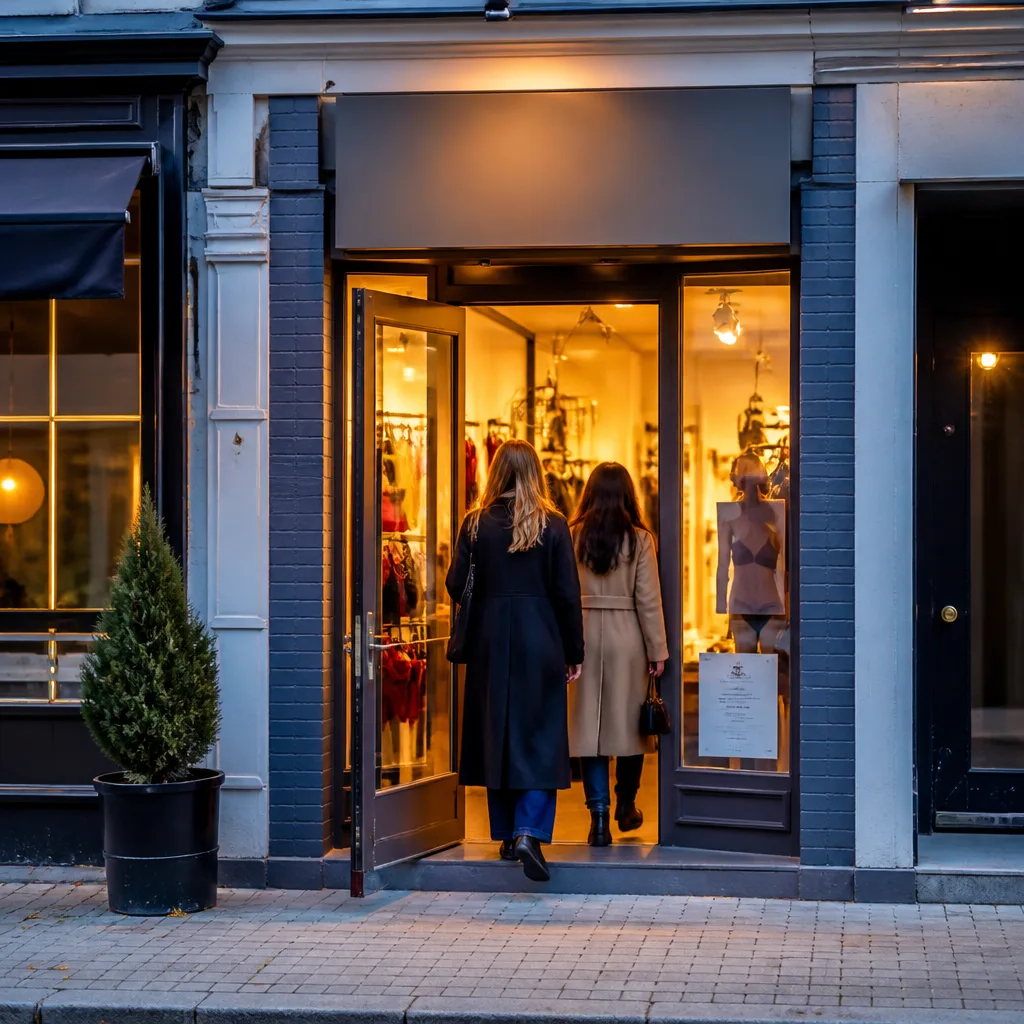
Quebec’s government is proposing to make permanent a change that would allow erotic boutiques to operate later into the evening after a pilot project reported meaningful sales gains.
Regulation follows a successful pilot
The draft regulation, published by Economy Minister Bernard Drainville, would permit businesses whose principal activity is the sale of erotic objects to admit customers between 8 a.m. and 11 p.m. throughout the year. The adjustment follows a pilot scheme launched in October that, according to the ministry, produced sales increases ranging from 15 to 20 per cent at participating outlets.
The government says the later closing time better corresponds with the industry’s largely evening shopping patterns, and that cementing the arrangement in regulation would provide firms with greater regulatory certainty. Officials also contend the change would boost activity on commercial corridors where many of these shops are located.
Practical effects for retailers and streetscapes
Retailers that qualify under the regulation would be able to serve customers until 11 p.m. daily, giving them a wider window to attract patrons who prefer to shop after typical business hours. For boutique owners, that expanded schedule could translate to higher foot traffic, longer service opportunities and potentially stronger weekly revenues.
City planners and commercial stakeholders have in other contexts linked extended retail hours to changes in street-level activity. In this case, the ministry argues longer hours will increase commerce on busy streets where many of these outlets operate.
- Who is covered: businesses whose main activity is selling erotic objects
- Hours proposed: 8 a.m. to 11 p.m., year-round
- Pilot result: reported sales increases of 15–20% at participating shops
By moving from a time-limited experiment to a formal rule, the government aims to remove ambiguity about permitted operating hours and allow owners to plan staffing and marketing with more certainty.
Data in brief
| Measure | Reported result |
|---|---|
| Pilot start | October (pilot launch) |
| Sales increase | 15–20% |
| Proposed permitted hours | 8 a.m.–11 p.m. |
The draft regulation was published on a Wednesday by the economy ministry; the announcement follows the internal evaluation of the pilot project’s impact on participating stores.
Context and consequences
Extending hours for a discrete retail category highlights how governments use regulatory levers to respond to commercial realities. For smaller retailers, the ability to open later can help capture customers who work daytime schedules or who prefer to shop in the evening. That can matter especially for niche sectors that rely on discreet, off-peak visits.
Making the change permanent would reduce uncertainty for operators who previously could only rely on a temporary arrangement. It also raises questions for municipal governments and local law enforcement about late-evening activity in neighbourhoods where such shops are clustered, though the province’s stated aim is to augment commercial vitality rather than alter public order rules.
If adopted, the regulation could serve as a reference point for other provinces weighing similar, category-specific extended hours for retailers. For now, the measure remains a provincial proposal and would proceed through the standard regulatory and consultation steps before taking effect.
For Quebec’s erotic boutiques, the near-term selling point is simple: the pilot lifted revenues for participating shops, and the government is now proposing to lock in the later hours that helped produce those gains.