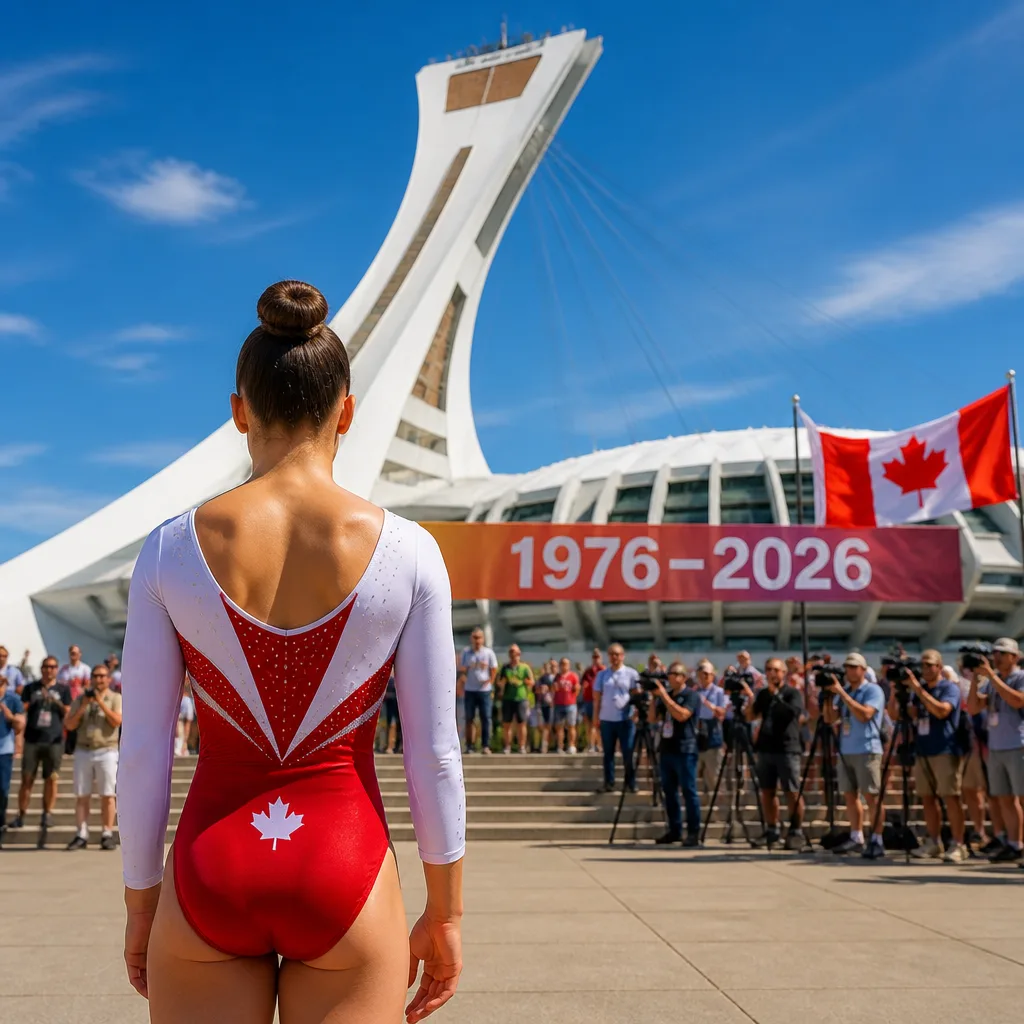
Nadia Comaneci, the retired gymnast, has returned to Montreal to mark the 50th anniversary of the city's Olympic Games, organisers said on July 30, 2026. Her visit brings a global sporting figure back to a Canadian city where memories of a landmark multi-sport event remain central to civic identity.
What the visit represents
The presence of a prominent former Olympian at a milestone anniversary is a symbolic nod to the enduring impact of a host city’s Games. Comaneci’s return highlights how sporting moments can shape a city’s international profile and how anniversaries function as opportunities to revisit legacies — from public venues to civic pride and the conversations that follow about long-term benefits and costs.
While details of specific engagements tied to the visit were not provided in the brief announcement, the occasion is likely to draw attention from media, sport organisations and members of the public interested in the Olympic era in Canada. For Montreal, the commemoration is a reminder of the continuing public interest in the city’s place in Olympic history.
Potential local and national ripple effects
Commemorative visits by high-profile athletes often have a range of effects without requiring large, immediate interventions. Possible outcomes include renewed attention to legacy infrastructure, increased coverage of archival material and spur-of-moment tourism interest. At the national level, such moments can prompt reflection on the role of major sporting events in Canada’s cultural and urban planning agendas.
- Heightened media coverage and public discussion of Olympic-era landmarks.
- Renewed interest among visitors and residents in sites associated with the Games.
- Opportunities for sport bodies and cultural institutions to reframe historical narratives.
These effects are often intangible at first, manifesting through storytelling, exhibitions or short-term spikes in attention that can feed into longer-term planning or commemoration strategies.
Why anniversaries matter
Milestone anniversaries provide moments of retrospection that go beyond nostalgia. They create occasions to assess what has been preserved, what has changed and how collective memory is curated. A visit by a celebrated athlete adds a human dimension to that reflection and can serve as a bridge for younger generations to connect with past events.
For host cities and national institutions, such anniversaries can also prompt policy conversations about maintenance of facilities, the stewardship of sporting heritage and how to balance commemoration with practical urban and fiscal priorities. While the announcement itself does not set out any such policy moves, the timing naturally invites those conversations at municipal and national levels.
| Item | Detail |
|---|---|
| Person | Nadia Comaneci |
| Event marked | 50th anniversary of the Montreal Olympic Games |
| Location | Montreal |
Commemorative activity of this kind often draws attention to both the celebratory and the critical sides of host-city legacies. Observers typically look at what has been preserved and at questions of ongoing relevance and cost to local residents and taxpayers.
While the announcement that a retired gymnastics star will return to the city is brief, it nonetheless serves as a reminder of the ways in which sport, memory and place interact in Canada’s public life. The visit is likely to be a focal point for coverage and commentary in the coming days as Montreal marks a half-century since it hosted an Olympic edition that remains a touchstone in the city’s modern history.
Further details about appearances, public events or commemorative programming associated with the visit were not provided in the initial notice.