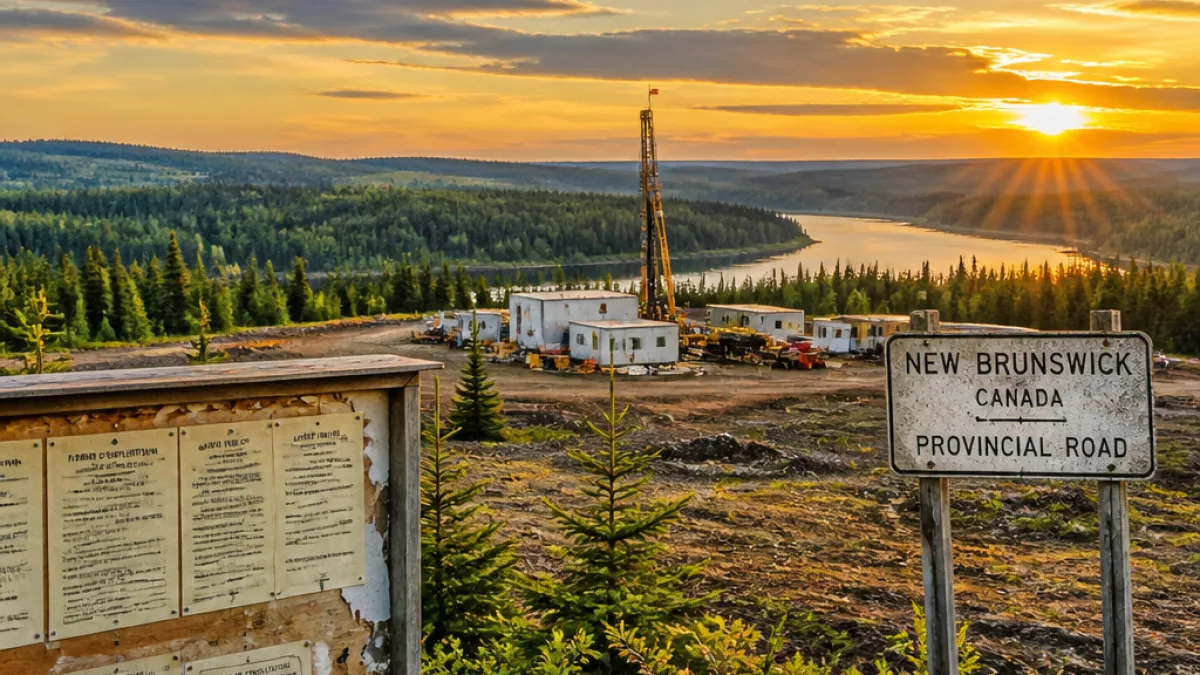
A recent industry headline suggesting a junior mining company hopes to follow a "FireFly-style" growth path has reopened questions about mineral exploration and development in New Brunswick, even as the underlying report provides little detail on the project or the firm involved.
What the headline — and the silence — mean locally
The brief item that prompted attention included almost no substantive information beyond invoking a growth comparison. That paucity of detail is not unusual in early-stage resource coverage: junior explorers frequently test markets with high-level statements before releasing technical reports, permitting documents or community engagement plans.
Still, the reference is worth noting for residents and stakeholders here because any move from exploration toward development would carry implications for employment, local services, infrastructure and the environment. New Brunswick has an active and closely watched resource sector where projects can command strong public interest and scrutiny.
Context: how exploration advances to development
Mining projects generally follow a multi-step progression, from initial prospecting and drilling to resource estimation, feasibility studies, permitting and, finally, construction and operation. At each stage the amount of public information typically expands:
- Exploration stage — limited data; companies report drill results and initial findings.
- Resource estimation and feasibility — technical reports (for example, NI 43-101 reports in Canada) provide details on resource size and economics.
- Permitting and environmental assessment — provincial and federal approvals may be required, with opportunities for public consultation.
Because the item in question did not include technical details, no firm conclusions can be drawn about where the company stands on that pathway.
What New Brunswickers should watch for
If an exploration company is signalling ambitions to move quickly, residents and municipal leaders should look for forthcoming, verifiable documents and public processes. Key elements that typically appear as projects advance include:
- Technical reports describing geology, drill results and estimated resources.
- Feasibility studies assessing economics and engineering requirements.
- Permit applications and environmental assessments that trigger public consultation.
- Community engagement plans outlining local benefits, jobs and mitigation measures.
| Who | Role |
|---|---|
| Exploration company | Conducts drilling and reports findings; may propose development |
| Provincial regulator | Reviews permits and environmental assessments |
| Local communities and Indigenous groups | Engaged in consultation; raise concerns or support |
Regulatory and public processes in New Brunswick
In New Brunswick, mineral exploration and potential development are subject to provincial oversight, and depending on scale and location, federal requirements may apply. Projects that could materially affect the environment typically undergo environmental assessment processes that include public notice and opportunities for comment.
Given the limited information in the original report, residents wanting to follow any specific project should monitor official filings and announcements rather than rely on early headlines. Company press releases, provincial registry notices and public consultation schedules are the most reliable sources for tracking progression from exploration to permitting.
Local economic and social considerations
When exploration advances toward development, economic benefits such as employment, contracting opportunities and municipal revenues can follow. At the same time, communities and interest groups often raise concerns about water quality, landscape changes, traffic and long-term reclamation. Those trade-offs are typically central to planning and approvals.
For now, with no technical or regulatory documents attached to the headline, it remains premature to assess the likely scale or impact of the venture mentioned in the industry item. What the notice does do is remind New Brunswickers that interest in the province’s mineral potential persists — and that clear, verifiable information will be essential if and when a specific project advances.
Residents seeking updates should watch for formal disclosures from the company, provincial notices on permits and environmental assessments, and scheduled public consultations that provide opportunities to ask questions and express concerns.
— Lucienne Arsenault, New Brunswick Correspondent