As heat waves grow in duration and intensity, caring for infants, toddlers and young children requires fresh attention. Paediatricians say youngsters need outdoor activity for healthy development, but they are also more susceptible than adults to heat-related illness — and caregivers must balance the benefits of play with extra precautions.
Why children are more vulnerable
Experts point to several physiological and behavioural reasons why children heat up faster and struggle to cool down:
- Less efficient sweating: Young children sweat less than adults, so their bodies have a reduced capacity to lose heat through evaporation.
- Higher metabolism: A faster metabolic rate generates more internal heat.
- Greater surface area relative to mass: This increases heat absorption in very hot conditions.
- More outdoor time: Young children often spend longer periods outside, increasing exposure risk on hot days.
Given those factors, paediatricians advise caregivers to be especially watchful for early signs of heat strain and dehydration.
What to watch for
Caregivers should check for straightforward but important signals that a child may be overheating. A lack of tears when crying or fewer wet diapers are potential indicators of dehydration in infants. Parents are also encouraged to note changes in behaviour: flushed skin and fatigue are common signs that a child needs to cool down, and increased irritability can be another clue.
“We talk about drowning and choking with toddlers, and now we're starting to add in heat,” said Dr. Katherine Williamson, a paediatrician with Rady Children's Health in Orange, California.
Practical do's and don'ts
Two paediatricians quoted in recent reporting offer straightforward steps caregivers can use to reduce risk while still allowing children to enjoy outdoor play.
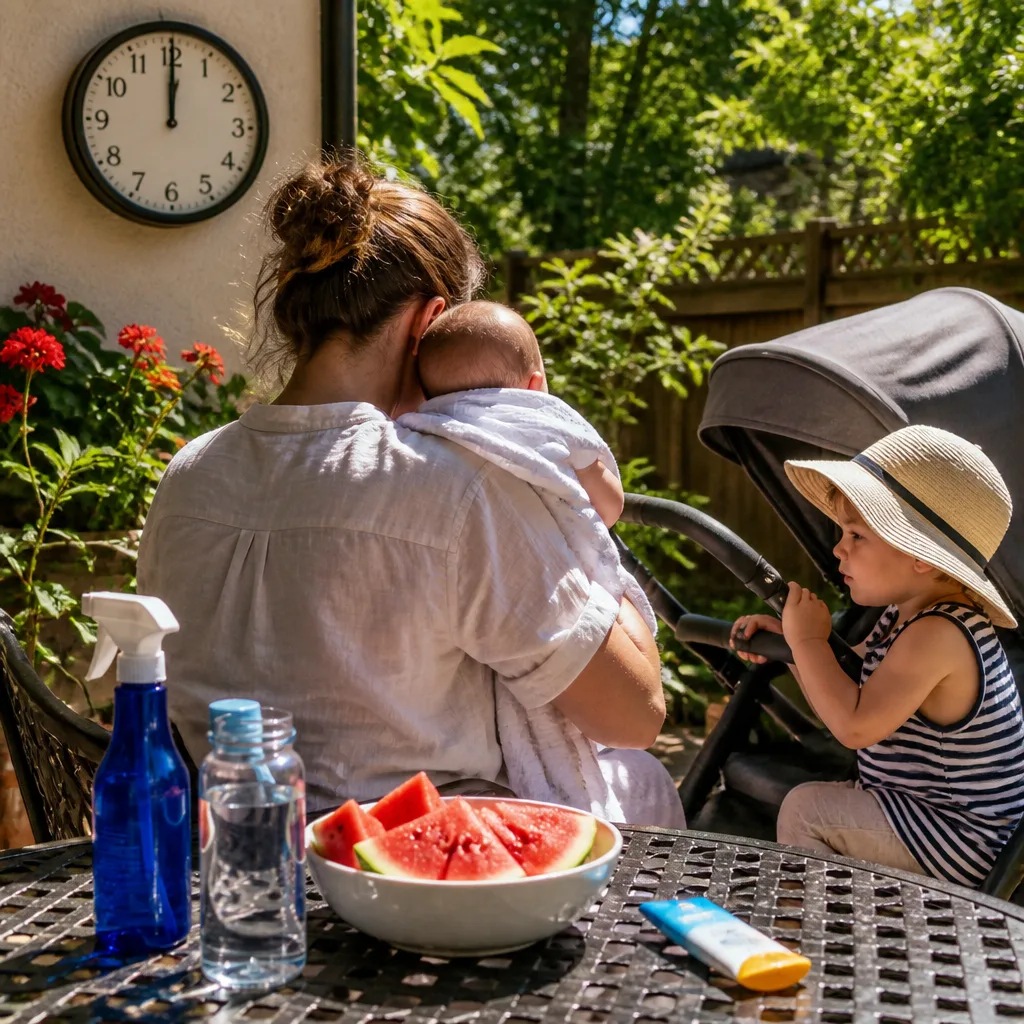
- Avoid going out during the hottest parts of the day.
- Dress children in loose, light-coloured clothing to promote cooling.
- Apply sunscreen when appropriate and follow safe sun practices.
- Ensure regular fluid intake; for infants, feed in smaller, more frequent amounts to maintain hydration.
- Offer water-rich fruits such as watermelon or strawberries as hydrating snacks.
“If you're hot, your baby sure is going to be hot,” said Dr. Debra Langlois, a paediatrician at the University of Michigan Health C.S. Mott Children's Hospital.
Both doctors stress limiting time outdoors for infants and toddlers on very hot days, though one cautioned against keeping children strictly indoors all summer; the goal is measured, safe exposure rather than total avoidance.
At-a-glance quick reference
| Concern | Action |
|---|---|
| No tears / fewer wet diapers | Offer fluids or breast/chest feeds more frequently; seek medical advice if dehydration persists. |
| Flushed skin, fatigue, irritability | Take a break in shade or a cool environment, remove excess clothing, offer water or a cooling snack. |
| Prolonged outdoor exposure during peak heat | Avoid peak hours; choose early morning or late afternoon for outdoor activities. |
Climate scientists have observed that human-driven climate change is increasing the frequency, intensity and geographic reach of heat waves. That trend makes these caregiving conversations more urgent than in the past, paediatricians say: heat has become a more common hazard to mention alongside familiar childhood risks such as drowning and choking.
For parents and caregivers in Canada, the takeaway is pragmatic: let children play and benefit from time outdoors, but plan those activities to reduce heat exposure, watch for the early signs of overheating or dehydration, and keep fluids and cooling options on hand. Small adjustments — timing outings for cooler parts of the day, dressing children for ventilation, and offering frequent fluids and water-rich snacks — can lower risk while still supporting healthy development and outdoor play.