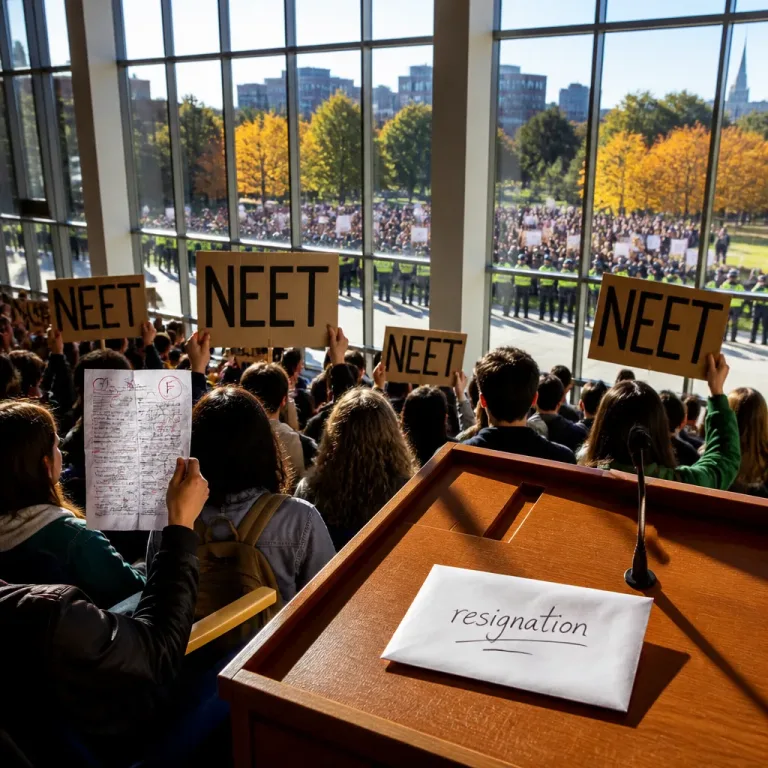
Former officials from the U.S. Department of Education warned last week that efforts to shift core responsibilities away from the agency could undermine special education funding, policy, accountability and coordination with K‑12 services, raising concerns among advocates and policymakers about the future delivery of supports for students with disabilities.
Officials point to risks in moving programs
At the Special Education Legislative Summit on July 20 in Alexandria, Virginia, former department staff described how transferring federal K‑12 programs into other agencies might create practical and legal hurdles for states and districts attempting to comply with federal education laws that govern services for students with special needs.
Speakers emphasised that shifts in administrative responsibility could complicate coordination between offices that oversee special education, early childhood, and other K‑12 programs, potentially affecting the capacity of schools to align resources with student needs.
Congress responds with proposed legislation
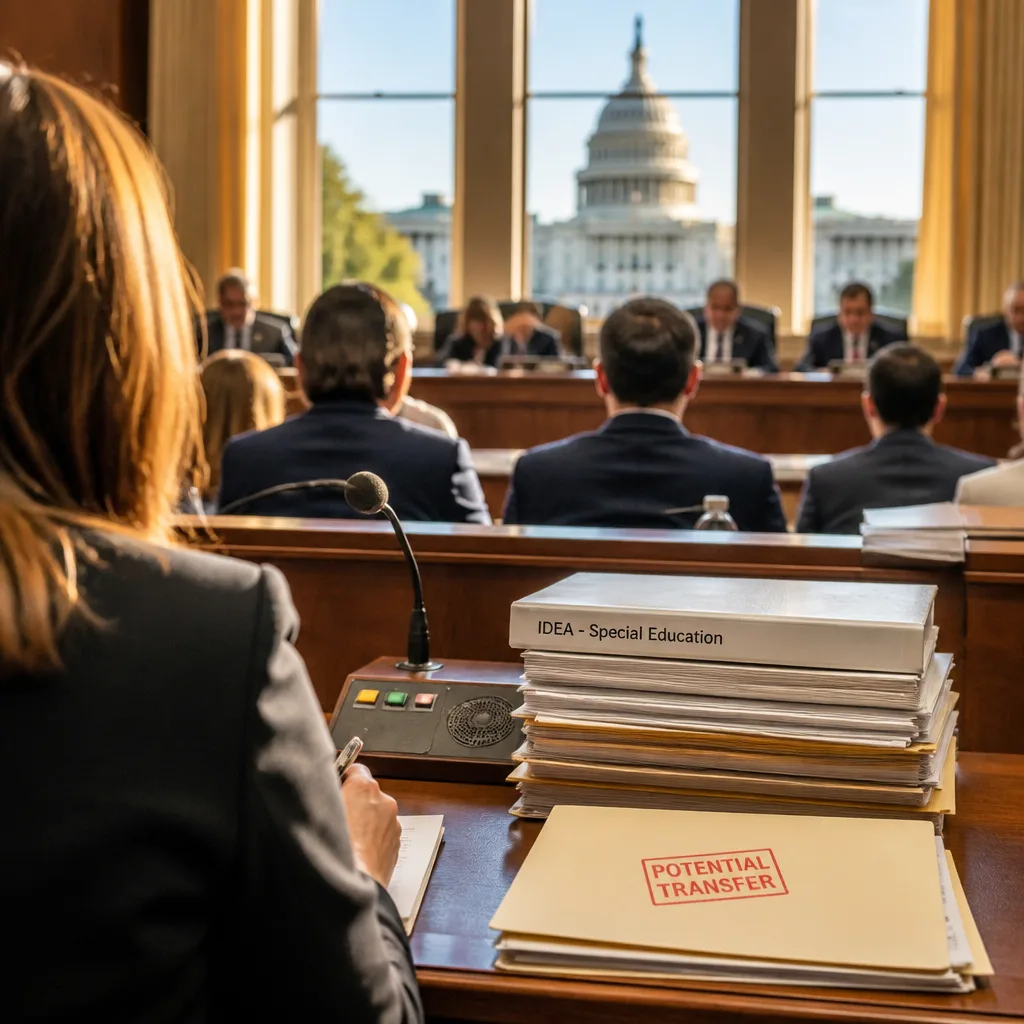
Responding to those worries, lawmakers in the Senate are pressing forward with proposals intended to prevent the Education Department from relocating core programs to different federal bodies. The Senate Health, Education, Labor and Pensions Committee is scheduled to consider two bills aimed at blocking such transfers.
One of the measures is sponsored by Sens. Tim Kaine (D‑Va.), Susan Collins (R‑Maine) and Lisa Murkowski (R‑Alaska). Lawmakers supporting these bills argue that maintaining clear agency responsibility is critical for accountability and for the consistent administration of federal education law.
Context: absenteeism and achievement recovery
The summit and the legislative push come against a backdrop of mounting concerns about student outcomes following the pandemic. Analysis cited at the event found that districts with persistent high absenteeism have fallen further behind in recovery of academic achievement.
Key data highlighted included a finding from the research firm NWEA: districts with consistently high absenteeism were roughly 50% further from recovering math achievement than districts that did not experience high absenteeism during the pandemic. Additional analysis from the American Enterprise Institute noted that chronic absenteeism rates are not declining quickly enough and that pandemic-related increases could establish a higher long‑term baseline for absenteeism.
| Issue | Implication |
|---|---|
| Transfers of federal programs | Risk of reduced coordination, legal complexity, and fragmented accountability |
| Persistent absenteeism | Slower academic recovery, particularly in math; potential long‑term baseline increase |
What advocates and districts face
- States and districts could face new compliance challenges if administrative responsibility for special education and related programs moves to agencies less familiar with K‑12 laws and practice.
- Coordination across federal offices — for instance, between those overseeing special education services and those managing early learning or workforce programmes — could become more cumbersome, complicating service delivery.
- Persistent absenteeism remains a barrier to rebuilding student achievement, with research suggesting recovery gaps are larger where absenteeism stayed high.
The debate reflects broader tensions about the structure and scope of federal involvement in education. Proponents of transferring programmes have argued for efficiencies and potential realignment of responsibilities, while critics at the summit cautioned that such moves may create unintended consequences for vulnerable students and for districts already strained by resource and staffing pressures.
With the Senate committee set to consider the bills, the coming weeks will be pivotal for determining whether legislative measures will limit the Education Department’s ability to reassign offices that oversee special education and other K‑12 functions. The outcome could shape how federal education policy is administered and how resources flow to schools and districts serving students with the highest needs.