FREDERICTON — The police oversight body for New Brunswick and Nova Scotia has created a new Indigenous investigator and community liaison role in an effort to strengthen ties with First Nations and build trust after a string of officer-involved tragedies.
New role designed to bridge gaps with Indigenous communities
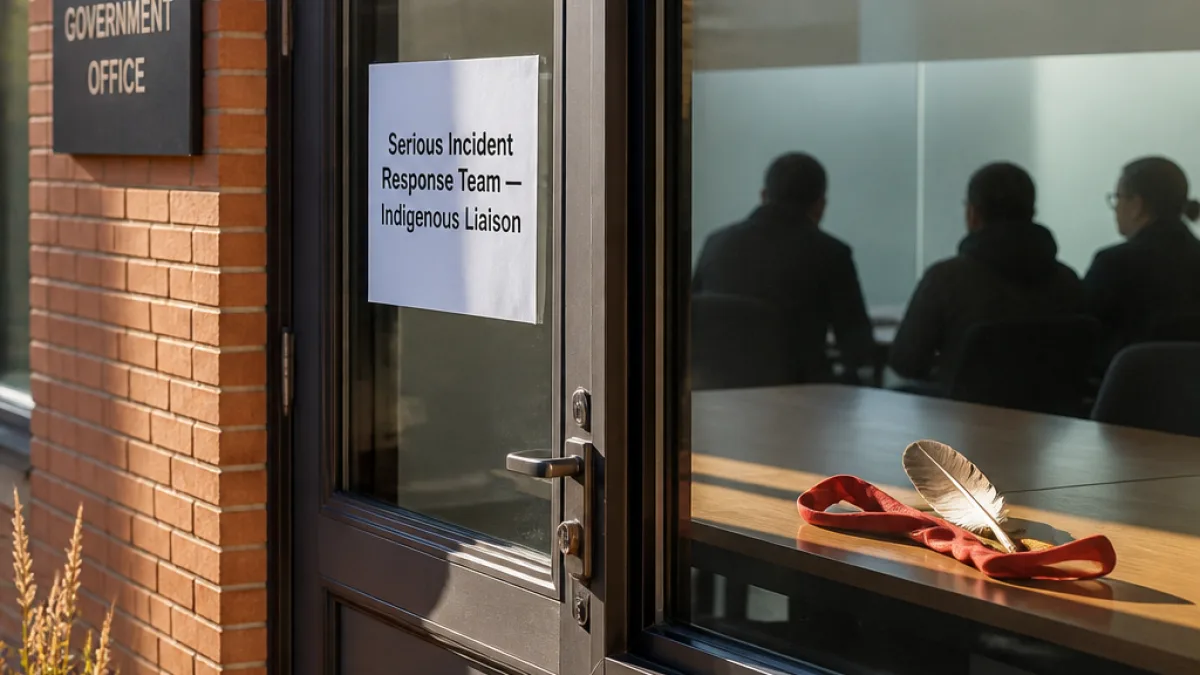
The Serious Incident Response Team (SIRT), which investigates deaths, serious injury and certain sexual or intimate-partner violence where police action may be a factor, announced the position on Monday. The agency said the new investigator will both assist with investigations and take on a community-facing role to co-ordinate a liaison program and support families affected by police interventions.
“We understand the importance of representation on our team … so we were very pleased to receive government funding from the province of New Brunswick specific for this role,” said SIRT director Erin Nauss.
SIRT said the position was developed in collaboration with Indigenous leadership, including the Wolastoqey Tribal Council and the Mi’gmawe’l Tplu’taqnn. The move follows repeated calls from First Nations leaders for greater Indigenous participation in police oversight work.
Context: a string of officer-involved deaths
Police actions in the region have come under intensified scrutiny in recent years. SIRT noted that four Indigenous people have been killed by police officers in New Brunswick since 2020, including Bronson Paul, who was fatally shot by the RCMP in January. The creation of an Indigenous liaison and investigative post is framed as part of a broader effort to address the distrust many communities feel toward police and related oversight bodies.
| Scope | Detail |
|---|---|
| Jurisdiction | New Brunswick and Nova Scotia |
| Mandate | Investigate deaths, serious injuries, specified sexual and intimate-partner violence involving police |
| New position | Indigenous investigator / community liaison (province-funded) |
How the role will function
According to SIRT, the Indigenous officer will have a dual mandate: contribute directly to investigations where Indigenous perspectives are relevant, and act as a point of contact for communities and families impacted by serious incidents. The position will also help establish and co-ordinate a formal community liaison program.
Nauss said the role is intended to make it clearer to Indigenous communities who SIRT is, why it exists and how it operates in their territories — a response to concerns that oversight agencies are not always seen as accessible or culturally aware.
Wolastoqey leadership welcomed the announcement. Chief Allan Polchies, speaking on behalf of the Wolastoqey Chiefs, said he was “encouraged to see movement” toward embedding Indigenous representation within oversight structures, while noting more work remains to achieve lasting change.
Local implications and practical effects
For families and communities affected by police-involved death or serious injury, the new role could mean more culturally informed communication, clearer pathways to seek information and support, and an internal resource within SIRT who understands Indigenous protocols and concerns.
At the institutional level, SIRT officials said the position is a step toward diversifying its investigative team and ensuring that Indigenous perspectives shape how cases involving Indigenous people are approached.
- Community engagement: The investigator will lead outreach and help set up liaison networks in First Nations communities.
- Family support: The role includes supporting affected families throughout the investigative process.
- Investigative input: The officer will assist in investigations where cultural context is relevant.
Limitations and next steps
SIRT has not released details on the hiring timeline, the reporting structure for the new post, or whether further funding will be sought to expand Indigenous representation on the team. The agency said the position was made possible through specific funding from the province of New Brunswick.
Advocates and Indigenous leaders have long pressed for systemic changes in policing and oversight, including measures that go beyond individual positions to address policy, training and accountability. While the new role is presented as a constructive response, community leaders have signalled that it is one part of a larger set of reforms they continue to seek.
The appointment is likely to be watched closely by First Nations communities, civil-society groups and police oversight observers across Atlantic Canada as a barometer of how institutions respond to calls for culturally competent oversight and meaningful engagement.
Lucienne Arsenault is NEXO RADAR’s New Brunswick correspondent.