BOSTON — A new crop of Asian-centred retail concepts is moving into some of the city’s most sought-after shopping streets, signalling a broader shift in consumer tastes and the retail market’s appetite for fresh energy.
From dining to fashion, a wider curiosity
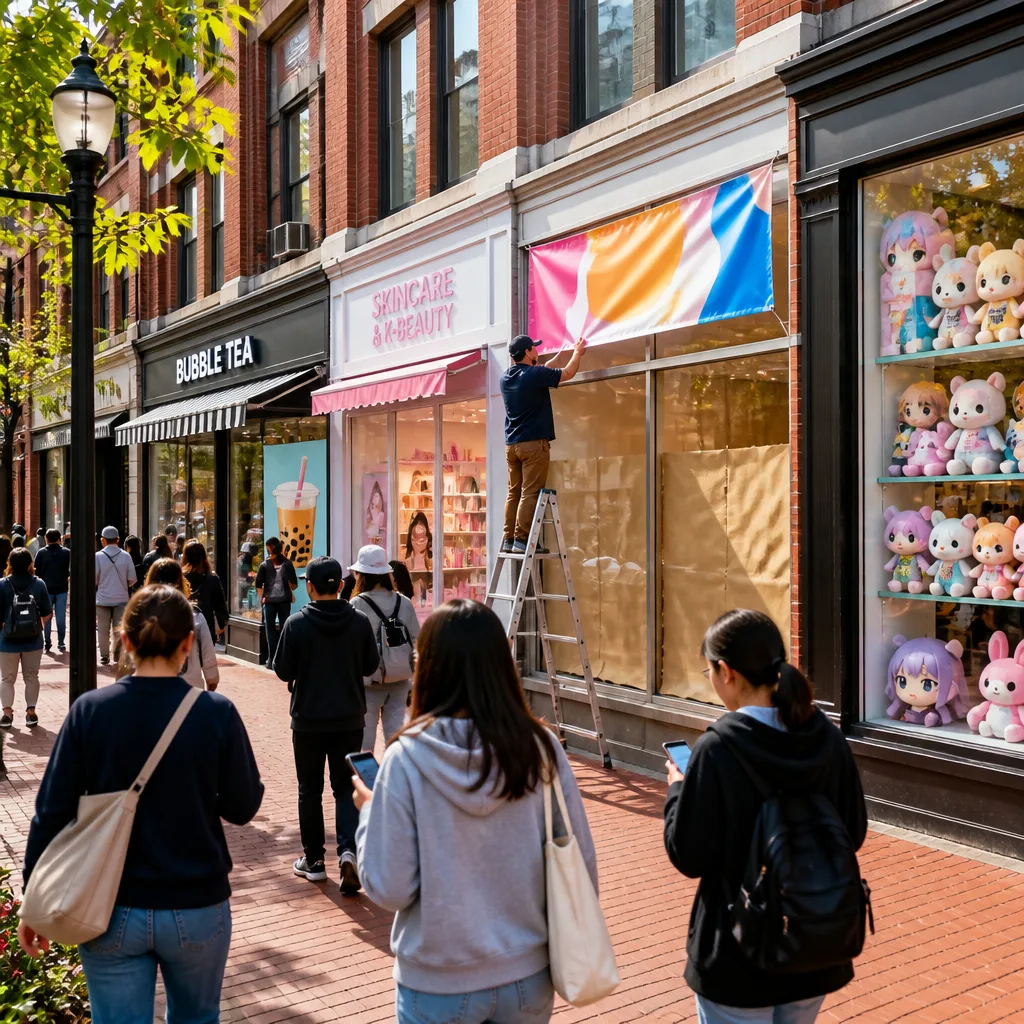
What began as a culinary trend in Boston’s Chinatown more than a century ago has widened into fashion, beauty, toys and lifestyle retail. Merchants and landlords say the rise of Asian-inspired shops reflects both changing demographics — including immigrants and international students — and a younger cohort of consumers who discover products through social platforms.
Marketing scholars and shop owners point to the speed at which trends now travel. Instead of encountering Korean skincare or niche fashion while travelling or through friends, shoppers increasingly learn about products via influencers and short-form video. By the time a storefront opens, consumer demand often already exists.
"Boston’s retail market definitely needed some new blood," said Peng Jia, who owns MoreFun, a toy mecca with locations in Back Bay and Cambridge and a third location planned for Allston.
Landlords eager to fill empty storefronts
Retail brokers and property owners who have watched vacancies multiply in recent years are eager to sign tenants who can draw foot traffic. For many of these landlords, Asian-owned or Asian-themed retailers represent an opportunity to revive empty spaces with concepts that already carry built-in audiences and strong social-media appeal.
Retail owners also note a pipeline effect: food often serves as the initial point of interest for broader cultural exploration. Once customers are introduced to flavours and dining experiences, curiosity frequently expands to other categories, from cosmetics and skincare to fashion and pop-culture merchandise.
New entrants and audience dynamics
Operators such as MoreFun and pop-up initiatives like MAUM Market — which showcases numerous Asian-owned small businesses — illustrate the expanding marketplace. MAUM Market’s co-founder, Arnold Byun, described food as the initial conduit that opens the door for retail diversity.
- Social media accelerates trend discovery and demand.
- Immigrants and international students expand the local market for niche concepts.
- Landlords are motivated to fill vacancies with retailers that attract younger shoppers.
The new wave of shops also benefits from the cultural reach of anime, K-pop and global cuisine, all of which help normalise products that were once primarily known within immigrant communities or specialised hobbyist circles.
What’s on the street: examples
One visible example is MoreFun, a specialty toy retailer that has opened in Back Bay and Cambridge and is preparing a third location in Allston. Pop-up marketplaces and speciality stores are following a similar arc: testing demand through temporary activations, then converting to permanent storefronts when traffic and sales justify the expansion.
| Store | Location | Status |
|---|---|---|
| MoreFun | Back Bay | Open |
| MoreFun | Cambridge | Open |
| MoreFun | Allston | Third location planned |
Retail watchers say the momentum is notable because it combines consumer curiosity with commercial necessity: landlords need tenants, and many of these Asian-focused concepts are proving capable of drawing consistent crowds.
Observers caution that while the trend is visible now in Boston, its long-term impact will depend on whether these retailers can sustain sales beyond the initial social-media-driven surge and translate buzz into repeat business. For the moment, though, a new generation of shoppers appears ready to champion a wider range of cultural offerings on the city’s main retail stages.
This report draws on interviews and observations of retailers and market participants in Boston, and on commentary from business owners and academics involved in the city’s retail landscape.