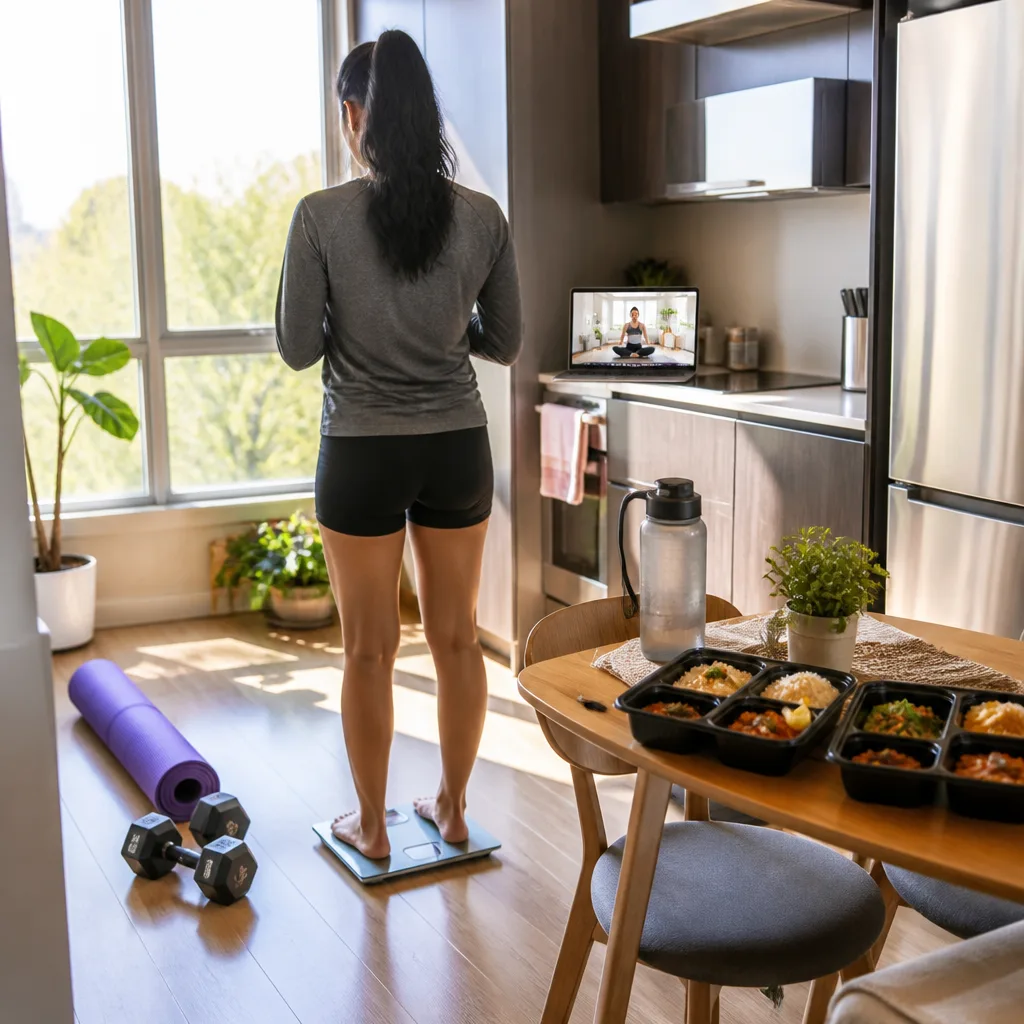
Adity Bhargav says a period of pandemic-related inactivity and study from home left her carrying extra weight and experiencing worrying symptoms — but a combination of a structured nutrition plan and regular exercise helped her shed 20 kg, taking her from 98 kg to 78 kg.
From lockdown to lifestyle change
Bhargav described going to Melbourne for further studies in early 2020 and then seeing movement curtailed almost immediately by a lockdown. The shift to attending college from home contributed to a more sedentary routine, which she says led to significant weight gain and the onset of physical complaints.
"In late 2024 and early 2025, I started experiencing shortness of breath. My feet started to swell, and all the blood reports were normal," she said while appearing on the GunjanShouts Podcast.
She told the podcast that those symptoms — together with back and knee pain — were a wake-up call. Family concern, she said, initially triggered anger, but the health issues ultimately prompted a firmer commitment to change.
The plan that worked
Bhargav joined an online weight-loss programme run by nutritionist and fitness coach Gunjan Taneja. As part of that structured approach she followed a diet that accommodated her preference for Indian flavours and emphasised portion control, whole foods and hydration. She also combined the dietary changes with a regular exercise routine.
The plan she shared on the podcast included specific meal choices throughout the day and an emphasis on moderate portions of protein, fibre and complex carbohydrates.
- Morning: Hydration with chia seed water, ginger-lemon water or fennel and ajwain water, and a handful of nuts.
- Breakfast: Options such as avocado toast, poha, air-fried bread pakora, or peanut butter toast.
- Mid-morning snack: Seasonal fruit.
- Lunch: Rajma rice or kadhi rice with about 100 g of salad and 100 g of yoghurt.
- Evening snack: Green tea or coffee with roasted nuts, roasted makhana, bhel or khakhra.
- Dinner: Dal rice, ragi or bajra roti, vegetables, beans, or pulao.
| Meal | Typical choices |
|---|---|
| Breakfast | Avocado toast, poha, air-fried pakora, peanut butter toast |
| Lunch | Rajma rice or kadhi rice + salad (100 g) + yoghurt (100 g) |
| Dinner | Dal rice, ragi/bajra roti, vegetables, beans or pulao |
Small changes, meaningful results
Bhargav credited the combination of consistent eating patterns, portion control and hydration for her progress. She emphasised simple swaps and balanced meals rather than extreme restrictions, and paired dietary adjustments with regular physical activity as part of the programme.
Her account underlines a common pattern emerging from the pandemic era: routines that once included daily movement or commute were replaced by prolonged sitting for study or work, contributing to weight gain and associated symptoms for some people. In her case, medical tests reportedly came back normal, but symptoms persisted until lifestyle changes were implemented.
While individual results vary, experts typically recommend a combination of improved diet quality, portion awareness, consistent hydration and increased physical activity for sustainable weight management. Bhargav’s experience echoes that approach, with the added element of a supportive, structured programme to guide changes.
What readers can take away
Bhargav’s story demonstrates a few practical points readers might consider if they are concerned about their own weight or health after periods of inactivity:
- Focus on consistent, balanced meals that include fibre, protein and whole grains rather than extreme diets.
- Prioritise hydration and small, frequent healthy snacks to manage hunger and energy levels.
- Pair dietary changes with regular movement or exercise suited to your fitness level.
The path from 98 kg to 78 kg highlights how modest, sustainable changes — tailored to personal food preferences and supported by a structured plan — can deliver measurable health improvements.
For personal medical advice, readers should consult a qualified health professional. This article reports the experience and account shared by the interviewee on the GunjanShouts Podcast.