Traditional backpacks are facing a fresh contender in 2026 as a wave of technology-infused designs begins to reshape what Canadians expect from their everyday carry. The category, commonly labelled smart backpacks, blends conventional storage with gadgets and security features that appeal to students, tourists, outdoor enthusiasts and office commuters alike.
What makes them 'smart'
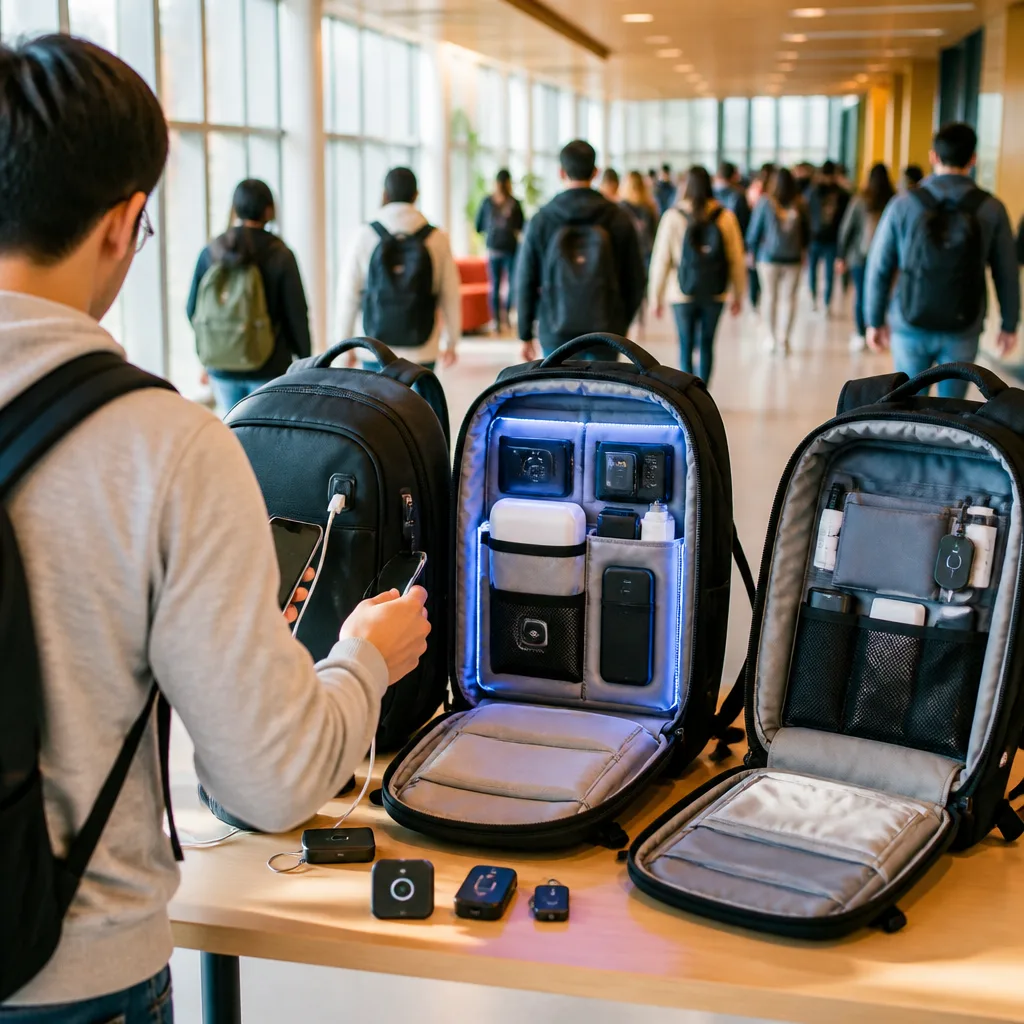
At the heart of the shift is the inclusion of practical electronics and engineered interiors that solve common pain points. Many models now incorporate integrated power solutions such as USB ports or internal charging systems so phones, tablets and other devices can be recharged without unpacking. Security has had equal attention: manufacturers are adding hidden compartments and, in some cases, built-in anti-theft alarms to deter pickpockets and make transit more secure.
Other innovations designers are promoting include GPS tracking for locating a lost bag, interior lighting to make items easier to find, and structural changes intended to improve weight distribution and comfort over long periods of wear. Taken together, these additions reframe the backpack as a multifunctional tool rather than merely a container.
Who is adopting them — and why
Early adopters reflect a wide spectrum of daily needs. Students find the charging options and compartmentalized storage handy for devices and study materials. Travellers and tourists value tracking and anti-theft measures. Hikers and outdoor users appreciate improved ergonomics and organisation. Meanwhile, people commuting to offices see a single, tech-friendly bag as a way to carry both professional kit and personal electronics without juggling multiple items.
- Students: on-campus charging and device organisation.
- Commuters: secure storage and device power on the go.
- Travellers: GPS tracking and anti-theft features.
- Outdoor users: better load distribution and durable construction.
Practical trade-offs
While the added functionality is appealing, there are trade-offs prospective buyers should weigh. Integrating technology can increase weight, cost and complexity; a built-in battery means occasional maintenance or replacement, and not every smart function is standard across brands. Some consumers may prefer the simplicity, lighter weight and lower price of basic models, especially when electronic features are unnecessary for their routine.
Designers are responding by segmenting the market: entry-level smart packs offer a single USB pass-through and modest organisational tweaks, while premium models bundle multiple security systems, GPS and advanced ergonomic frameworks. This range allows buyers to choose the balance of features, price and weight that fits their lifestyle.
| Feature | Primary benefit |
|---|---|
| USB ports / charging | Keep devices powered without unpacking the bag |
| Hidden pockets / anti-theft alarm | Reduce the risk of theft and secure valuables |
| GPS tracking | Locate lost or stolen luggage |
| Interior lighting | Find items quickly in low light |
Where the trend may lead
As these designs become more common, the market could see two likely outcomes. One is that mainstream backpacks will absorb a handful of high-demand features — a simple charging port or a concealed pocket — making them more useful without becoming fully electronic. The other possibility is that purpose-built smart packs will continue to serve niche needs and remain a distinct product category for those who prioritise technology, security and organisation.
For consumers weighing the purchase, the key questions are how much tech they actually need day to day and whether the benefits justify additional cost and upkeep. For designers and retailers, the challenge will be to present clear value propositions: smart enough to be useful, but not so complex that functionality becomes a burden.
Whether the classic backpack will disappear is far from certain. What is clear is that in 2026 the market is expanding to include options that blend traditional utility with modern connectivity — giving Canadians more choice when selecting a bag that fits both lifestyle and devices.