
Indonesia’s constitutional court ruled Thursday that the government must stop using the education operational budget to finance its expansive free‑meals programme and create a separate funding line no later than 2028, a decision that could reshape the fiscal structure of one of President Prabowo Subianto’s flagship initiatives.
Court finds funding arrangement distorts education budget
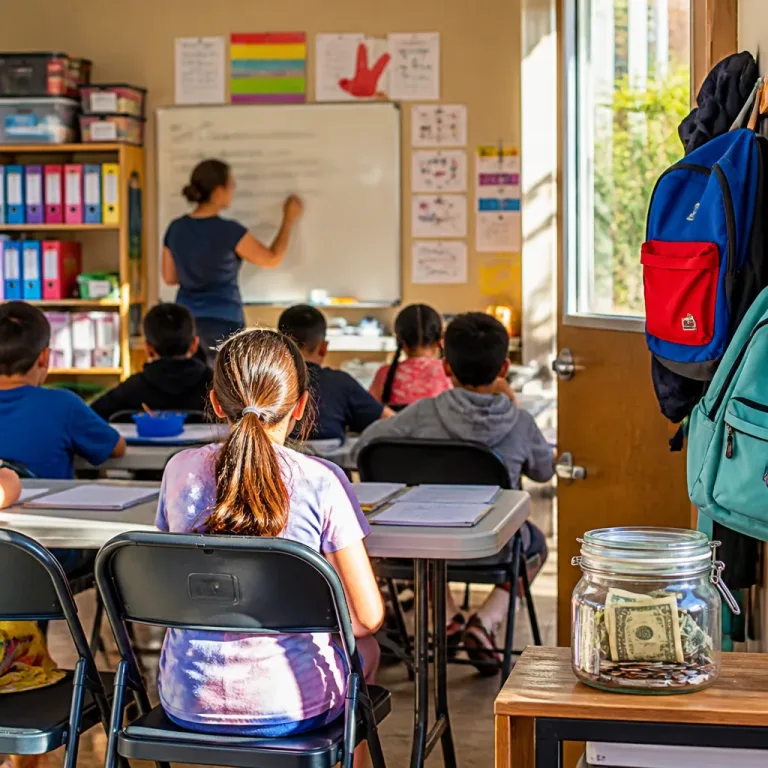
The free‑meals scheme, launched in 2025 to provide food for 83 million schoolchildren and expectant mothers, had been accounted for within the education operational spending allocation in the 2026 state budget. Justices said that arrangement created an imbalance in the composition of the education budget and ordered the government to separate the meal programme’s financing.
"Adding nutritious meals as one of the education provisions ... creates imbalances in the proportionality of the education budget," Judge M. Guntur Hamzah said.
Chief Justice Suhartoyo indicated the split should be completed by 2028 at the latest, and the panel recommended the government consider implementing the change as early as next year. Indonesia is due to present its 2027 state budget next month.
Budget figures underline the scale of the programme
The ruling follows legal challenges brought by students and educators who argued the state budget’s treatment of the meal programme compromised other education expenditures. According to figures cited in court, the finance ministry allocated a total of 769 trillion rupiah to education in the 2026 budget, of which 223 trillion rupiah was earmarked for the free‑meals initiative.
| Budget item | Amount (trillion rupiah) |
|---|---|
| Total education allocation (2026) | 769 |
| Free‑meals programme | 223 |
Judges described the meal programme as a legitimate response to the country’s stunting problem but said it required its own appropriation so it could be monitored and funded without crowding out essential school operations.
Teachers and schools raised concerns over impacts
The court heard testimony from educators who said the programme’s budgetary prominence had coincided with negative consequences for staff. In one moving account, a history teacher, Iman Zanatul Haeri, testified that the implementation of the meals initiative had come alongside contract terminations and salary reductions for teachers.
Government officials had defended the budgetary approach in court on the basis that improving child nutrition should be considered part of the education process. The finance ministry declined to comment on the court’s decision on Thursday.
- Policy implications: The ruling forces a reallocation of how nutrition interventions are budgeted and may require the government to find new revenue or make cuts elsewhere to sustain the programme.
- Timing: The court set a clear deadline of 2028 for separation but suggested the split could occur sooner, ahead of the 2027 budget cycle.
- Administrative challenges: Running a nationwide feeding scheme across an archipelago of some 280 million people presents logistical and fiscal demands that the court acknowledged.
Legal experts and policy analysts will now scrutinize how the government implements the ruling, including whether a new dedicated budget line is established immediately and how accountability and oversight will be structured. For the administration, the decision presents a financial puzzle: maintain the scope of the programme without compromising core education services or worsening the fiscal deficit that critics have warned could be exacerbated by the scheme’s cost.
Thursday’s verdict adds to a series of operational and political difficulties for the agency charged with rolling out the meals initiative since its launch. How the government responds will shape both the future of the programme and broader public confidence in its stewardship of public education funds.
The court’s direction to isolate meal funding could create clearer transparency about costs and outcomes but may also require difficult trade‑offs in the near term as budget planners reconcile competing priorities.