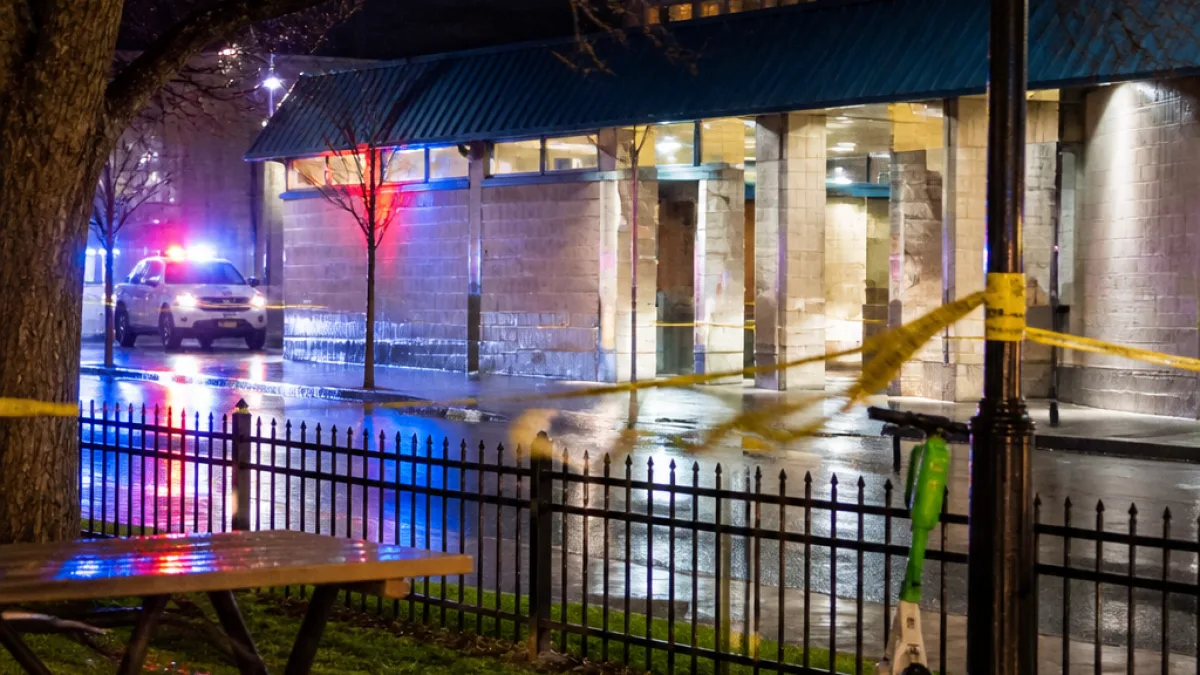
The uneasy calm of a new city-run green space on Amalamek Way was shattered in the early hours of July 12 when a man staying at the nearby Metro Turning Point emergency shelter was shot four times, leaving the victim with broken ribs and anxiety as he recovers from his injuries.
What happened
Robbie (Robby) Gaudet, 39, was sitting with friends near picnic benches in the green space across from the shelter around 1 a.m. when someone on an electric scooter opened fire, according to an exclusive interview with CBC News. He says he didn’t see the shooter and that there had been no argument or fight before the attack.
“I almost lost my life,”
Gaudet was taken to hospital, where physicians treated multiple wounds that broke ribs and scraped a lung. Doctors said the bullets narrowly missed his heart and major organs. He has since been discharged but describes ongoing pain and "really bad" anxiety as he recovers.
Community context and concerns
The incident has focused attention on the vulnerability of people who are unhoused and spend large amounts of time in public spaces. The green space is a recently built, city-run park constructed directly across the street from Metro Turning Point, an emergency shelter for men. Residents and advocates had previously raised concerns about safety around the site as the city moved forward with park activation.
Gaudet’s shooting underscores those worries. For people using emergency shelter services, time outside is often unavoidable. A violent, seemingly random attack in such a setting deepens worries among shelter residents, staff and neighbours about how safe those public spaces are—particularly late at night.
Unanswered questions for authorities
Key details remain unresolved: witnesses reported seeing someone roll up on a scooter, but Gaudet did not see the assailant; police have not published the identity of any suspect in connection with the shooting in the CBC report. The timing of the attack—about 1 a.m.—and the proximity to the shelter raise practical questions about patrols, park lighting, surveillance and other safety measures in the neighbourhood.
City decisions to build and operate green spaces, especially ones adjacent to shelters, often balance public amenity goals with community safety planning. The incident will likely prompt renewed scrutiny of those decisions and of how municipal and community partners assess and mitigate risk.
Immediate impacts
For Gaudet and those who knew him at the shelter, the consequences are both physical and psychological. He described a moment of sudden, unexplained violence that left him bleeding on the ground and desperately asking for someone to call 911.
- Victim: Robby Gaudet, 39, staying at Metro Turning Point shelter
- Date and time: About 1 a.m., July 12
- Location: City-run green space on Amalamek Way, across from Metro Turning Point
- Injuries: Four gunshot wounds, broken ribs, a lung scraped but not punctured; narrowly missed heart and other organs
| Detail | Information |
|---|---|
| Date | July 12 |
| Time | About 1 a.m. |
| Victim | Robby Gaudet, shelter resident |
| Apparent assailant | Person on an electric scooter (identity unknown) |
Moving forward
The shooting amplifies calls for attention to how public spaces are designed and managed near shelters and for resources that protect people who are homeless or vulnerably housed. For many Halifax residents, the event is a reminder that public safety challenges are often concentrated in the same neighbourhoods where services for people in crisis are located.
As the community awaits more details from police and municipal officials, those living and working in the area face the immediate task of supporting a man who says he narrowly escaped death and rebuilding a sense of safety in a park that is, by design, meant to be a public asset.
This neighbourhood, this city, must weigh how to keep public spaces welcoming while also safeguarding those who have the least protection when violence erupts.