Committee review could shape how Georgetown approaches cottage housing
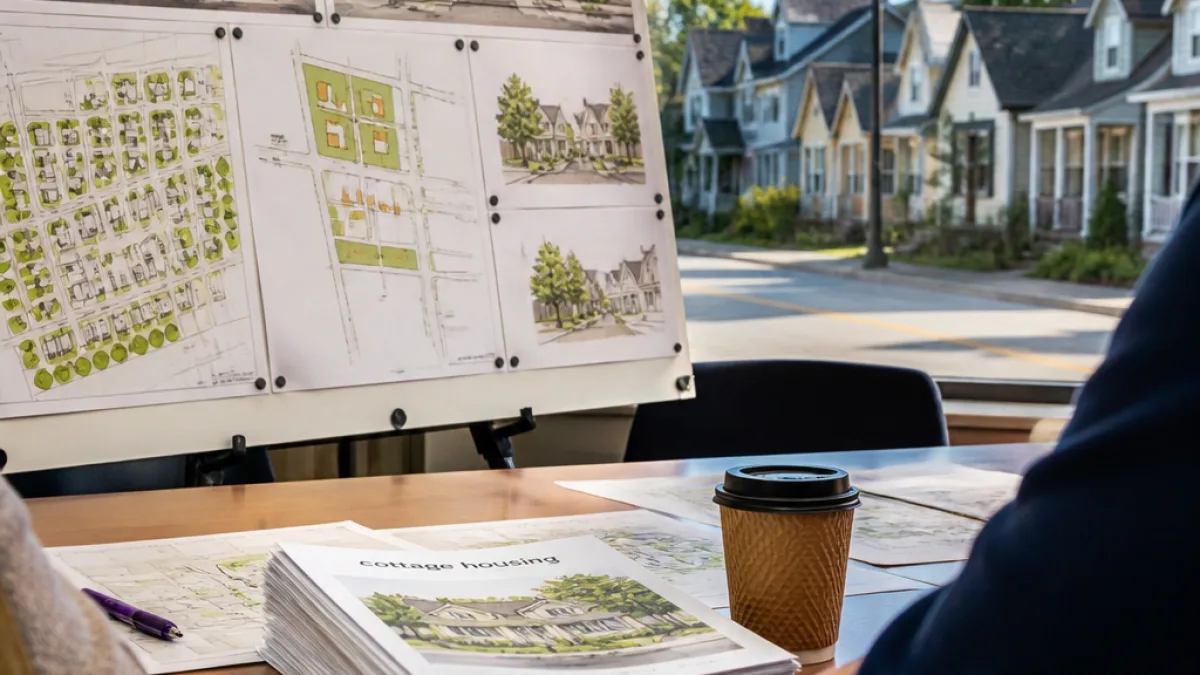
The municipal committee will consider the future of Georgetown’s cottage housing ordinance, a planning tool that governs the development of small, clustered housing units on single properties. The review signals a potential turning point for how the community balances housing supply, affordability and neighbourhood character.
Details about the committee meeting and its agenda have been circulated by local media. While the review is at an early stage, the issue touches on several areas that matter to residents, including development standards, parking, greenspace, property values and municipal services.
“Committee to consider future of cottage housing ordinance.”
Municipal officials typically consider a range of factors when evaluating rules that permit cottage-style developments. These include the size and number of units allowed, design standards to respect established streetscapes, servicing requirements and how such projects are reviewed or approved. The review also provides an opportunity for residents to weigh in — either in writing or at public meetings — about whether the current rules reflect community priorities.
- Housing choice: Cottage housing can increase the variety of housing types, offering smaller, lower-maintenance units that may suit singles, seniors or small households.
- Neighbourhood character: How cottage units are designed and grouped affects the look and feel of established residential areas.
- Infrastructure and services: More units per lot can have implications for parking, water and sewer capacity, and snow clearing or waste collection.
Local councils and planning committees often balance competing aims: encouraging gentle intensification to meet housing demand while protecting the qualities that residents value in their neighbourhoods. For communities considering cottage housing rules, a handful of recurring themes typically feature in discussions:
- Design controls — to ensure new units are compatible with existing homes.
- Density limits — to manage the number of units per lot and avoid overbuilding.
- Parking requirements — to prevent spillover onto neighbouring streets.
- Affordability considerations — whether smaller units meaningfully improve access to lower-cost housing.
- Environmental and greenspace standards — to preserve trees, yards and stormwater management capacity.
What residents can expect
As the committee proceeds with its review, residents should expect opportunities for public input. Municipal reviews of this nature commonly include background reports from planning staff, presentations on options and potential bylaw amendments, and at least one public meeting or statutory public hearing where people can speak directly to councillors or committee members.
Those following the process should look for information published on the municipal website or in council agendas, which typically list proposed amendments, staff recommendations and timelines. Staying informed ensures residents can raise specific concerns — such as parking impacts on a particular street — or support changes that would increase housing choice in their neighbourhood.
Potential local consequences
The outcome of the committee review could result in any of the following: tightening standards to limit cottage developments, loosening rules to encourage more units, or adopting middle-ground measures such as enhanced design guidelines. Each path carries trade-offs for property owners, renters and the broader community.
| Possible outcome | Potential local effect |
|---|---|
| Stricter rules | Protects neighbourhood character but may limit new smaller-unit supply |
| Looser rules | Could increase housing options but raise concerns about parking, services and density |
| Targeted adjustments | Seeks to balance growth and compatibility through design and siting standards |
Residents interested in the outcome should monitor committee notices and plan to engage when the municipality calls for input. Thoughtful community participation can help ensure any changes reflect local priorities and practical realities.
The committee review of the cottage housing ordinance is a local planning matter with meaningful consequences for how Georgetown grows. As the process unfolds, staying informed and participating in public consultations will give residents the clearest role in shaping the future of housing in their neighbourhoods.