A proposed class-action lawsuit has been filed in Manitoba court by Chief David Monias and the Cross Lake Band of Indians over a devastating winter power outage that left the northern First Nation in the cold for several days and caused ongoing damage to homes and infrastructure.
Scope of the outage and immediate impacts
The outage began Dec. 28 when a transmission line serving Pimicikamak Cree Nation (Cross Lake) failed, plunging the community into darkness during a severe cold spell. The outage lasted about 110 hours, according to the documents filed. The crisis forced roughly 4,400 people from the area to seek refuge in Thompson and Winnipeg.
The proposed class action, which names Manitoba Hydro, the Attorney General of Canada and the Government of Manitoba as defendants, seeks compensation for damages and demands the immediate installation of a permanent second hydro transmission line, while retaining the existing line as a backup.
Damage and long-term disruption
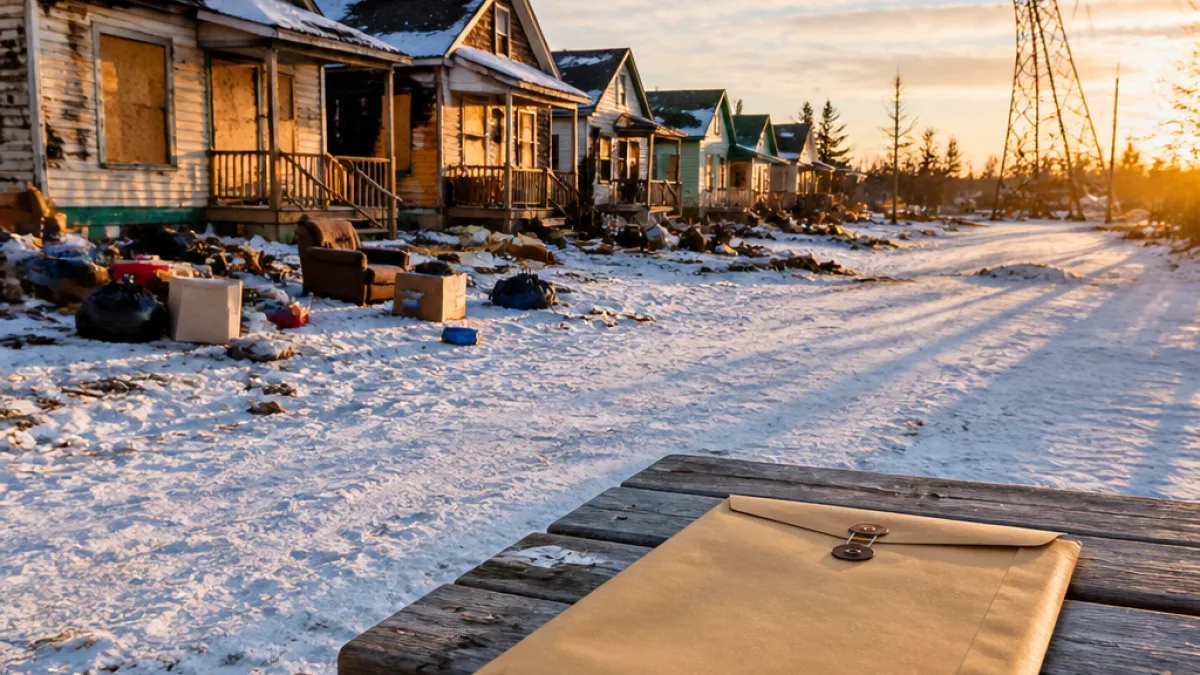
Plaintiffs allege severe consequences: frozen water systems, sewer backups, electrical failures and burst water pipes in homes. More than 1,300 homes were reported as destroyed or in need of repair. The First Nation says approximately 650 people still cannot return home, seven months after the outage, and that there are about 180 homes remaining damaged and uninhabitable, with some 35 homes needing complete replacement.
| Measure | Figure |
|---|---|
| Outage duration | 110 hours |
| People displaced | 4,400 |
| Homes destroyed or needing repair | 1,300+ |
| People still unable to return | 650 |
| Homes uninhabitable | 180 |
Allegations of prior warnings and failing infrastructure
Chief Monias says Cross Lake had warned both governments and Manitoba Hydro for years that a catastrophic failure was possible because water and sewage systems and related infrastructure were deteriorating.
“The water plants, both north and south, were on life support, meaning they were actually in operation, using duct tape and glue to keep things together,” Chief Monias said. “And it kept breaking down. They were using trash pumps to draw water to fill the wet well so we can fill it up to a certain pressure, then it would break down again.”
The proposed lawsuit contends that Manitoba Hydro had been warned about repeated problems and that those warnings were not adequately addressed, leaving the community vulnerable to a prolonged failure.
What the class action seeks
Beyond compensation for personal and property damage, the plaintiffs want a permanent second transmission line installed immediately, with the existing line retained as a backup to reduce the risk of future prolonged outages. The filing frames the measure as necessary to protect life, health and basic services for the community.
- Immediate installation of a permanent second hydro line.
- Retention of the existing transmission line as emergency backup.
- Compensation for damages to homes, infrastructure and personal losses.
Broader implications
The filing raises questions about infrastructure resilience in northern and Indigenous communities, responsibility for long-term upgrades and the role of both provincial and federal governments in preventing and responding to critical service failures.
For residents of Cross Lake, the legal action is not only about compensation but also about preventing a repeat of the displacement and damage they endured. The lawsuit frames the issue as a failure of maintenance and planning that had forewarned consequences.
Next steps
The proposed class action was filed publicly on July 29. The matter will proceed through Manitoba’s court system, where defendants will have the opportunity to respond to the allegations. The filing sets the stage for legal debates over liability, adequate notice, remediation and the timeline for infrastructure upgrades.
As the court process unfolds, residents remain displaced or living in damaged homes, underscoring the human toll that follows infrastructure failures in remote communities during extreme weather. The outcome of this case could have wider ramifications for how utilities and governments plan and fund resilience projects in northern Manitoba.
Reporting will continue as the case moves through court and as Manitoba Hydro and government offices respond to the claims.