
BEIJING — Chinese authorities have announced a new set of priorities for the country’s basic education sector that put a greater spotlight on students’ moral growth, physical and mental health, and fair access to schooling.
Policy shift targets whole-child development
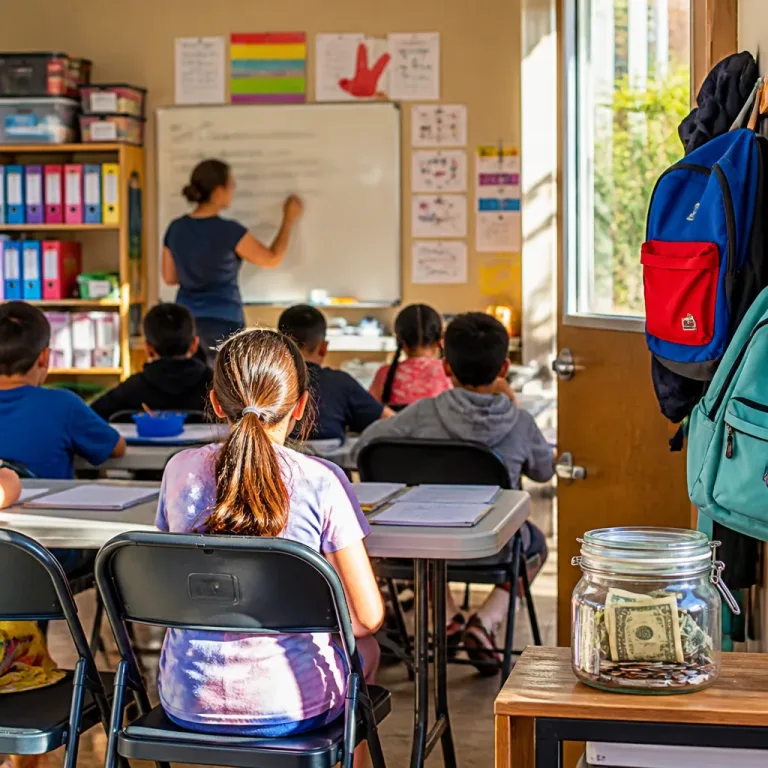
At a national conference held in Beijing on Wednesday, officials described the next phase of basic education as one that will move beyond narrow academic measures to focus on more holistic outcomes for children from kindergarten through senior high. The meeting identified a need to rebalance emphases within classrooms, families and communities so that schools play a co‑ordinated role in students’ social and emotional development as well as their learning.
State instructions delivered at the event highlighted three central aims: strengthening moral education, adopting a "health‑first" approach for students, and improving the distribution of educational resources across regions and institutions.
"fulfilling the fundamental task of fostering virtue through education."
Scale and performance amid concerns about pressure
China’s system serves a vast student population and the government points to broad international comparisons to document progress. Officials reported that the country’s basic education network includes tens of thousands of schools and kindergartens serving hundreds of millions of children, and cited analyses that compare China’s education indicators with those of other economies.
| Measure | Reported figure |
|---|---|
| Primary and secondary schools and kindergartens | ~430,000 |
| Students served | ~220 million |
| Education indicators compared | 62 |
Chinese students have consistently posted strong results on international assessments such as PISA, particularly in mathematics, reading and science. Yet even with those high marks, the leadership acknowledged persistent worries about excessive academic pressure for some pupils and signalled a desire to rebalance the system away from test‑centred practices.
Practical implications and unresolved questions
The directives call for closer co‑operation among schools, families and wider society to deliver the stated goals. Officials also said the country would push to narrow disparities in educational access and quality, although details about specific programmes or funding adjustments were not set out at the meeting.
- Emphasis on moral education aims to integrate values teaching across curricula.
- A "health‑first" stance seeks greater attention to both physical and mental wellbeing.
- Targets include better resource allocation to reduce regional and urban‑rural gaps.
Observers will watch how policy pronouncements translate into classroom practice and whether measures to reduce student stress alter assessment regimes, teacher training or school timetables. Any major operational changes would involve coordination across education authorities, local governments and families — a complex undertaking in a system that educates a very large and geographically dispersed population.
The meeting reiterated the government’s long‑term aim of strengthening basic education as a foundation for broader national ambitions in education and social development. For students, parents and educators, the coming months will reveal how the stated priorities are converted into concrete supports, programs and accountability measures.