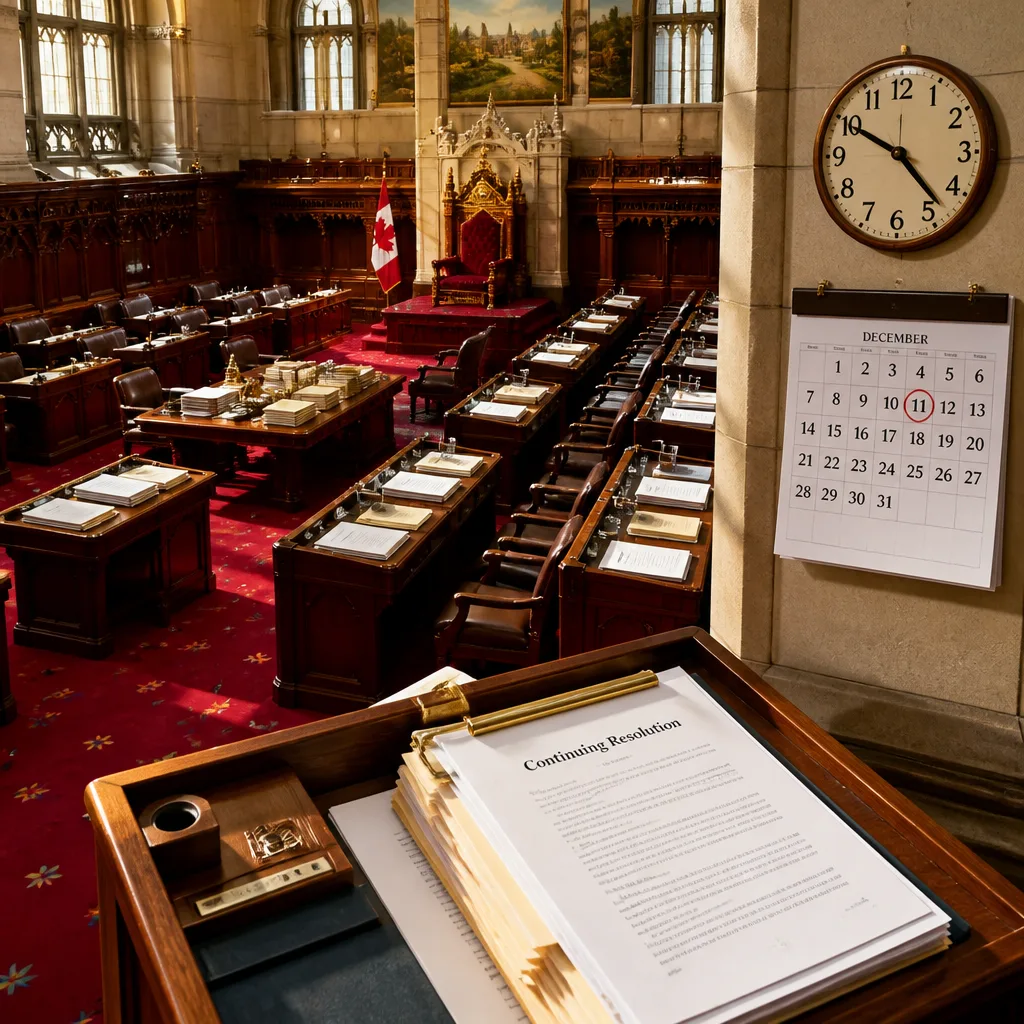
Senate leaders on Sunday released a short-term funding bill designed to keep the federal government operating past the U.S. midterm elections and through Dec. 11, giving Congress extra months to negotiate full-year spending while lawmakers disperse for the August recess. The measure, which generally maintains current funding levels, is expected to come to a vote before senators leave Washington later this week.
A pause to avert a shutdown during campaign season
The move is intended to forestall a government shutdown at a politically sensitive moment: many members of Congress plan to spend August campaigning for re-election rather than legislating in the capital. Senate Majority Leader John Thune said passing the measure was his top priority ahead of the break, arguing it was necessary to avoid repeating the shutdowns the public faced recently.
"We need to ensure that they do not face a third," Thune said, noting Americans have already experienced two record-breaking shutdowns in the past 10 months.
Both parties have signalled a desire to avoid another lapse in funding. By extending current funding levels into December, senators aim to buy time to reconcile contentious differences on the dozen annual appropriations bills that together fund government operations into the next fiscal year.
What’s in — and out — of the bill
The Senate measure mirrors a short-term bill already approved by the House in many respects, but negotiators have been haggling over several exceptions the White House sought. One high-profile request that was not included, according to Democrats, was a request for $1 billion to build so-called "Trump-class" battleships. Senate Democrats also said they secured language preventing the administration from transferring funds from other programmes to the Border Patrol — a point of contention during recent budget fights.
- The bill would fund federal agencies at roughly current levels through Dec. 11.
- The House has passed a similar short-term measure, but with different exceptions sought by the White House.
- Senators are negotiating which exceptions to include prior to the likely vote this week.
Late-summer action on a funding patch is atypical. Congress has often waited until the final hours or days before a fiscal deadline to approve short-term extensions. This year’s decision to act about two months ahead of the fiscal year-end on Sept. 30 reflects a desire among lawmakers to avoid a late-summer scramble that could interfere with campaigning.
Political and policy implications
The short-term extension offers a temporary reprieve but does not resolve underlying disagreements that have stalled full-year appropriations. Republicans are pushing for substantially higher defence spending while seeking cuts to non-defence programmes; the White House and congressional Democrats have pushed back on proposals to repurpose funds or make deep reductions to domestic programmes.
By preserving status quo funding levels into December, Congress gains time to negotiate those competing priorities, but the extension also compresses the remaining appropriations work into a narrow window later this year. Lawmakers will need to reconcile House and Senate priorities, negotiate White House requests and address targeted policy riders — a process that could become contentious as the political environment heats up in the run-up to November.
| Item | Detail |
|---|---|
| Short-term funding end date | Dec. 11 |
| Federal fiscal year end | Sept. 30 |
| Requested battleship funding excluded | $1 billion request not included, per Democrats |
How negotiators resolve outstanding disputes over defence versus non-defence spending, the inclusion or exclusion of specific funding exceptions, and limits on fund transfers will determine whether the full-year appropriations process can be completed without further temporary extensions or brinkmanship. For now, the Senate’s short-term bill is aimed at ensuring federal services and pay for government workers continue uninterrupted through a period when many lawmakers will be on the campaign trail.