TORONTO — The Green Party of Ontario is urging the province to place a temporary moratorium on approvals for new artificial intelligence data centres, citing unanswered questions about their effects on the environment, the electrical grid, community health and local employment.
Call from Queen’s Park
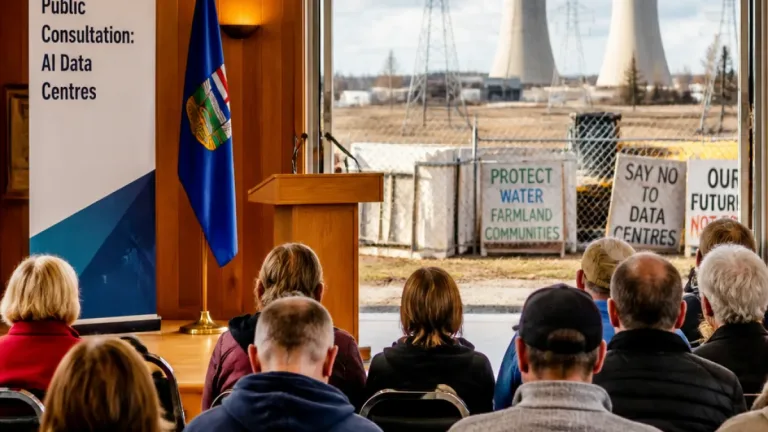
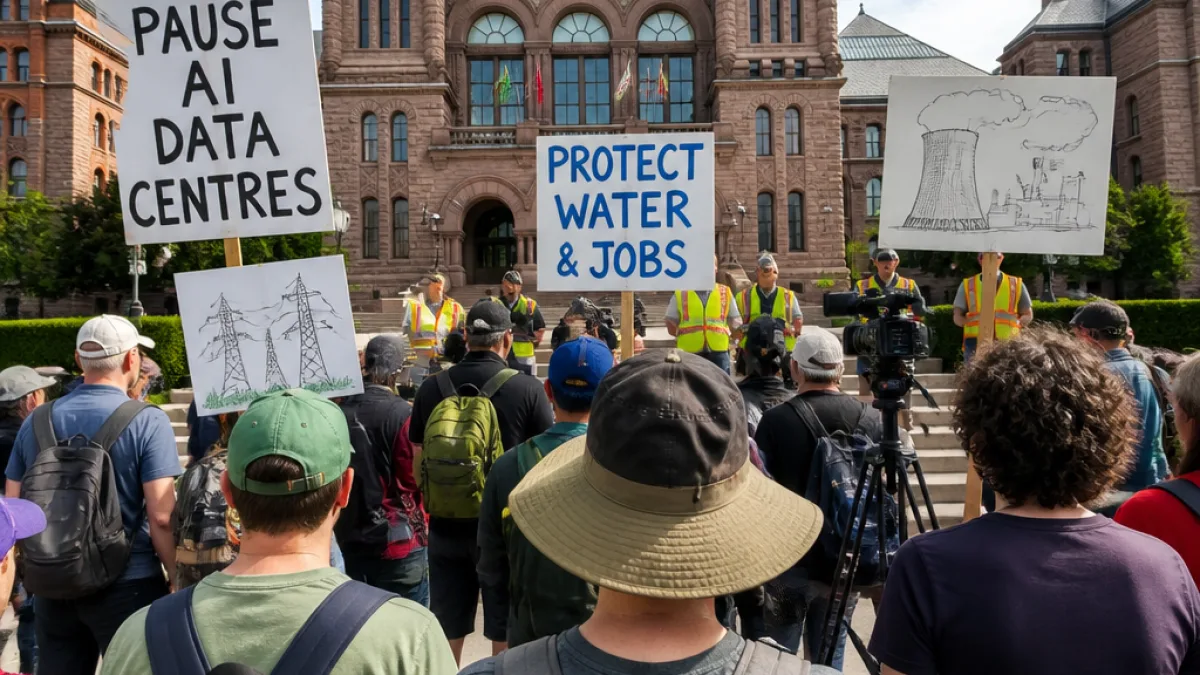
Mike Schreiner, leader of the Green Party and the member of provincial parliament for Guelph, made the request at a news conference at Queen’s Park on Thursday. He said decisions to approve data centres are being made across the province "without community consultation or safeguards to keep people and the environment safe."
"There are also serious concerns about who actually benefits from the construction of these AI data centres," Schreiner said, adding he believes corporations are benefitting from local water meant for communities.
Schreiner was joined by local activists, including Ilham Abdulkadir of Wellington Water Waters and Shelly Agius, co-chair of the Toronto chapter of the Council of Canadians, who voiced support for the pause and for municipal-level restrictions already being considered in some jurisdictions.
Physical demands of digital infrastructure
Speakers at the Queen’s Park event emphasised that while data centres power cloud computing and AI services, their physical footprint is significant. Abdulkadir noted the facilities require land, large amounts of electricity and substantial volumes of water.
- Energy: Operators pump huge electrical loads into the grid to power servers and cooling systems.
- Water: Some cooling technologies draw on local water supplies, raising concerns in watersheds already under pressure.
- Local benefits: Questions remain about job creation and whether long-term economic advantages flow to host communities.
Shelly Agius pointed to municipal action in Mississauga, where city councillors voted to pause approvals for AI data centres for one year. She urged other municipalities in Ontario to consider similar measures rather than “racing ahead” with approvals.
Provincial response and approval framework
A spokesperson for the provincial government responded that new data centres are not approved unless they contribute to the local economy. The spokesperson stressed that the province considers economic impacts as part of the decision-making process.
Details on how the province evaluates applications for data centres — such as environmental assessments, water-use permits or grid-impact studies — were not outlined at the press conference. Municipalities face their own planning and permitting choices when proponents seek sites and local approvals.
Municipalities balancing investment and community concerns
The debate reflects a broader tension between attracting investment in technology infrastructure and addressing local environmental and service concerns. Communities weighing proposals must balance potential tax revenues and construction jobs against long-term demands on utilities and resources.
| Area of concern | Why it matters |
|---|---|
| Environment | Land use and local ecosystems can be affected by large campuses and their cooling systems. |
| Energy grid | High, continuous electricity demand can strain local transmission and generation resources. |
| Water supply | Some cooling approaches may require significant water withdrawal, raising pressure on municipal and watershed supplies. |
| Community benefits | Long-term employment and economic gains vary depending on ownership and operations. |
What proponents and critics say
Proponents of data centre development often argue such projects create construction jobs, deliver property taxes and support digital economy growth. Critics counter that the long-term employment footprint of a stabilised data centre is relatively small and that local infrastructure and natural resources may bear hidden costs.
At Queen’s Park, Schreiner and activist groups urged a pause to allow time for independent studies and community consultations to determine whether existing regulatory tools are sufficient to protect municipal interests.
The Green Party’s proposal did not specify a length for a moratorium or the exact scope of studies it would seek. Municipal responses to the issue vary: some councils have opened reviews or temporary pauses; others are still assessing proposals on a case-by-case basis.
What to watch next
Key developments to watch will include any formal response from the provincial government outlining changes to approvals or environmental review processes, decisions by individual municipalities to adopt moratoria or stricter permitting rules, and whether independent studies on grid and water impacts are commissioned.
For residents, the discussion highlights how rapidly evolving digital infrastructure intersects with local planning, resource management and questions about who benefits when large technology projects arrive in their communities.
— Angelica Santos, NEXO RADAR