
Clinicians and researchers are increasingly confronting what they call an "infodemic" of health misinformation, and some are adopting a strategy known as pre-bunking — proactively warning patients about likely false claims — alongside public education via social media and podcasts.
Harms seen first-hand
One physician’s early experience illustrates the stakes. In 2014 a resident at Albany Medical Center saw a baby brought to an emergency department who was listless and bruised. Initial concern centred on possible child abuse, but tests later showed bleeding in the child’s brain and spinal column from a vitamin K deficiency — a condition often preventable with a routine shot at birth. The parents had refused the injection after hearing rumours about side-effects. The infant survived but required a prolonged recovery.
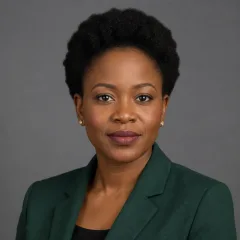
That case, recounted by the physician, is now an emblem of the real-world consequences clinicians face when misinformation shapes patient decisions. The same clinician, now a Florida-based paediatrician, has documented other dangerous claims circulating online, including assertions that acetaminophen causes autism, that industry influence explains vaccine recommendations, and that inhaling hydrogen peroxide prevents infection.
Limited training for clinicians
Despite the prevalence of misinformation, training for health professionals on how to respond remains scant. Studies cited by clinicians show a stark gap:
- 94% of physicians report encountering medical misinformation from their patients.
- Only about 18% have had any formal education on how to respond.
| Issue | Reported figure |
|---|---|
| Physicians encountering patient misinformation | 94% |
| Physicians with formal training to address misinformation | 18% |
Clinicians note that brief clinical encounters offer little time to debunk entrenched beliefs. "I was spending so much time trying to debunk misinformation in my office," the Florida paediatrician said, "but there's only so much you can do during a 15-minute visit."
"There is very little being done to train physicians to address this right now," said Alexander Sheng, MD, residency program director for Emergency Medicine at Brown University Health.
Responses: pre-bunking, social media and education
In response, some doctors and institutions are adopting pre-bunking: a psychological strategy that warns people in advance about the kinds of misleading claims they may encounter and explains why those claims are false. Others use the same platforms that spread misinformation — social media, podcasts and online videos — to reach broader audiences with evidence-based messages.
The paediatrician now posts weekly videos that highlight circulating falsehoods and provide reliable counter-information. She also hosts a podcast where misleading health claims are routinely discussed, and uses those channels to reach people beyond the confines of clinic visits.
Proponents say these approaches may help rebuild trust and reduce the harms of misinformation, but there are limits. The clinicians acknowledge that efforts so far represent a patchwork of initiatives rather than systematic, widespread training for health professionals. Some programmes launched during the COVID-19 pandemic aimed to teach clinicians how to address false claims; however, according to the clinicians referenced, such offerings remain limited.
Implications for health systems
The convergence of near-universal exposure to patient misinformation and minimal clinician training poses several concerns for health systems: potential delays or refusals of evidence-based care, greater use of emergency services for preventable conditions, and increased strain on clinician time and trust. Policy-makers and medical educators face decisions about whether to scale up formal training on communication strategies, fund public education campaigns, or integrate misinformation countermeasures into routine care.
Clinicians involved in these initiatives stress the need for practical tools and curricula so that frontline providers can respond effectively. Without wider adoption of training and coordinated public information efforts, they warn, individual clinicians will continue to shoulder most of the burden addressing misinformation one patient at a time.