The Alberta government’s announcement late in July allowing Albertans to pay out of pocket to self-refer for diagnostic imaging and testing has triggered alarm among doctors, health-care workers and patient advocates who warn the policy could worsen wait times and deepen inequities.
Shift allows paid "queue-jumping" for scans
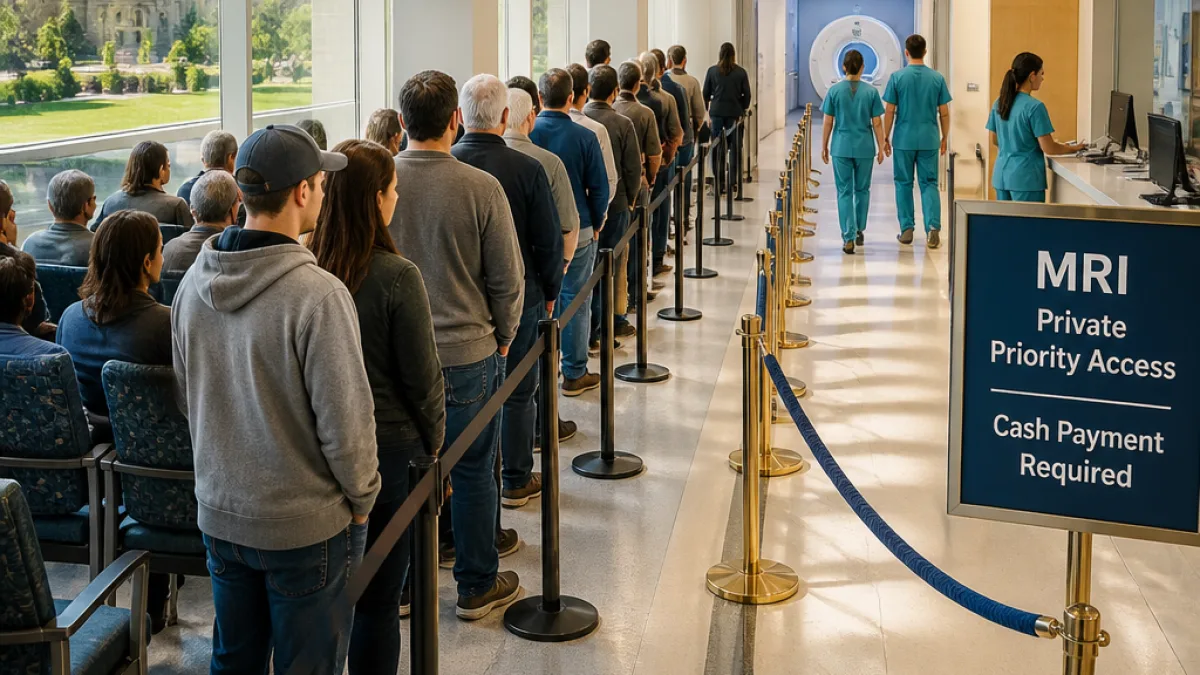
Under the change that took effect July 31, people can directly access services such as MRI, CT scans, ultrasounds and X-rays by paying privately rather than going through traditional public referral routes. Proponents say the move expands choice; critics say it creates a two-tier system where those with money can skip ahead.
Evidence from other jurisdictions and current Alberta workforce data, however, suggest the new option is unlikely to reduce overall public wait times. Instead, it may pull limited staff and resources into privately paid services, leaving public lists longer.
Workforce shortages at the centre of the debate
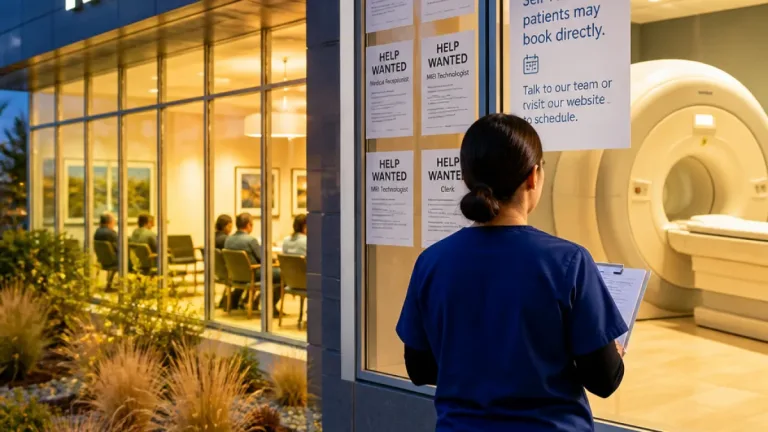
Health-system capacity in Alberta is constrained by persistent vacancies in key allied health roles that support diagnostic imaging. The measured vacancy rates include 16.7 per cent for radiation therapists, about 10 per cent for laboratory technologists and roughly 5 per cent for radiological technologists.
| Position | Vacancy rate |
|---|---|
| Radiation therapists | 16.7% |
| Laboratory technologists | 10% |
| Radiological technologists | 5% |
Those shortages mean there are fewer qualified professionals to operate scanners, interpret results and manage follow-up care. Health-system analysts say offering a private-pay route creates a financial incentive for technicians and technologists to move from public facilities to better-compensated private clinics.
Risk of over-testing and downstream pressure
Medical experts also caution about increased testing among people without specific clinical indications. Advanced imaging can reveal incidental findings in a substantial minority of scans — producing results unrelated to the original concern that often lead to further investigations.
Those follow-up procedures can include repeat imaging, specialist consultations and biopsies. The consequence is not only potential harm and anxiety for patients, but also added strain on specialist services that are already stretched.
"Private-public systems do not translate to shorter public wait times, and increase risks of overuse, incidental findings, equity gaps and workforce strain."
The Alberta Medical Association voiced similar concerns in its review of the proposed policy change, highlighting the potential for overuse and inequitable access.
What this means for patients
For patients, the immediate effect may be mixed: some who can afford to pay will secure faster access to imaging, while those reliant on the public system could face longer waits. The policy also raises practical questions about follow-up care: privately funded imaging that identifies a problem often funnels patients back into the public system for specialist treatment.
- Patients with private means can bypass public referrals by paying for scans directly.
- Incidental findings on detailed imaging appear in roughly 15–30% of advanced scans, potentially triggering more care.
- Existing staff vacancies risk deepening if clinicians relocate to private clinics.
Government officials have argued the change increases access and reduces barriers for those seeking faster diagnosis. But health-care providers and associations caution that without parallel investments in staffing and capacity, the public system is unlikely to benefit.
Provincial implications and next steps
The decision comes as Alberta continues to manage pressures across emergency departments, elective surgeries and diagnostic services. Observers say that if the province wants to protect timely access for all residents, any expansion of private-pay options should be accompanied by targeted recruitment, retention strategies and monitoring of wait-time impacts.
For now, the policy is in effect and Albertans will begin to see how it plays out at clinics and hospitals. The critical question for patients and policymakers alike is whether the change will genuinely expand access across the system, or whether it will carve out private lanes that leave the public highway more congested.
Reporting from Edmonton.